


According to Statistics Canada, hearing loss is common among Canadians, with at least 39% of adults aged 20 to 79 experiencing it. Hearing loss in 70 to 79-year-olds was the most prevalent, with 94% experiencing it in the past year, followed closely by 60 to 69-year-olds at 77%. As widespread as hearing loss is in the Canadian adult population, it affects everyone for different reasons. Here are the most common reasons and what you can do about it.
Aging
Audiologists at the hearing aid and audiology clinic, HearCanada Moncton, see many older adults experiencing age-related hearing loss, also known as presbycusis. This hearing loss type frequently runs in the family and results from changes in the inner ear and auditory nerve.
With this hearing loss, people can find it hard to tolerate loud noises, and they might also struggle to hear what people are saying. It also affects both ears equally and can be so gradual that some people might not know they’ve lost some of their hearing ability. By visiting an audiologist, you can learn how significant your hearing loss is and whether hearing aids are an appropriate solution for you.
Trauma
Aging might be the leading cause of hearing loss in Canadians, but it’s not the only form of hearing loss to affect the Canadian population. Trauma, such as loud noises, head injuries, whiplash, perforated ear drums, and even frostbite, can lead to hearing impairment, seeing the need for an appointment with an audiologist.
According to the CDC, sounds above 80 decibels might cause permanent hearing damage, and sounds above 110 decibels might result in hearing loss in two minutes or less. If you’ve been in an accident that caused head trauma, hearing loss can sometimes be a consequence alongside concussion, balance issues, and tinnitus.
Some people experience hearing impairment after whiplash when their head is violently jostled and after perforating ear drums through actions like using cotton swabs to clean their ears. Severe weather conditions in which frostbite occurs might also result in temporary or permanent hearing loss.
Medication
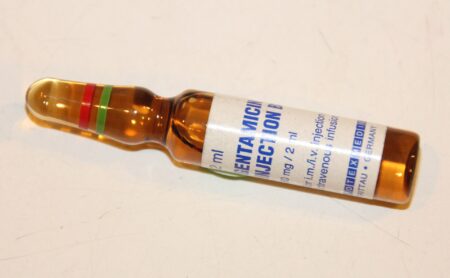
Many medications on the market come with side effects, and some options for cancer, serious infections, and heart disease are considered ototoxic. This means some people experience ear damage, hearing loss, ringing in the ear, and balance disorders. Sometimes, these side effects can be reversed upon completing your drug therapy, but they can also be permanent in some cases. Medical professionals typically weigh up the side effects against the benefits before proceeding with the use of ototoxic medications.
Illnesses
Several diseases and illnesses can result in hearing loss, such as the middle ear disease, otosclerosis, the inner ear problem, Ménière’s disease, and autoimmune inner ear disease. Some people also experience hearing loss from acoustic neuroma, a type of tumor that requires medical treatment.
If you’re experiencing any ear-related problems due to an illness or at random, seek immediate assistance from a healthcare professional. The faster you act, the sooner you can receive treatment and potentially stop or undo the resultant ear damage.
Hearing loss might affect many Canadians, but that doesn’t mean it’s normal or you have to put up with it. Whether you’re experiencing gradual or sudden hearing impairment, consider making an appointment with an audiologist to learn more about the available treatment options.
Follow Canada News Media
Get the day's top Canadian stories and our two daily 60-second news videos wherever you scroll.
X Threads Facebook Instagram LinkedIn TikTok YouTube Pinterest Reddit Substack Flipboard Newsletter RSS