

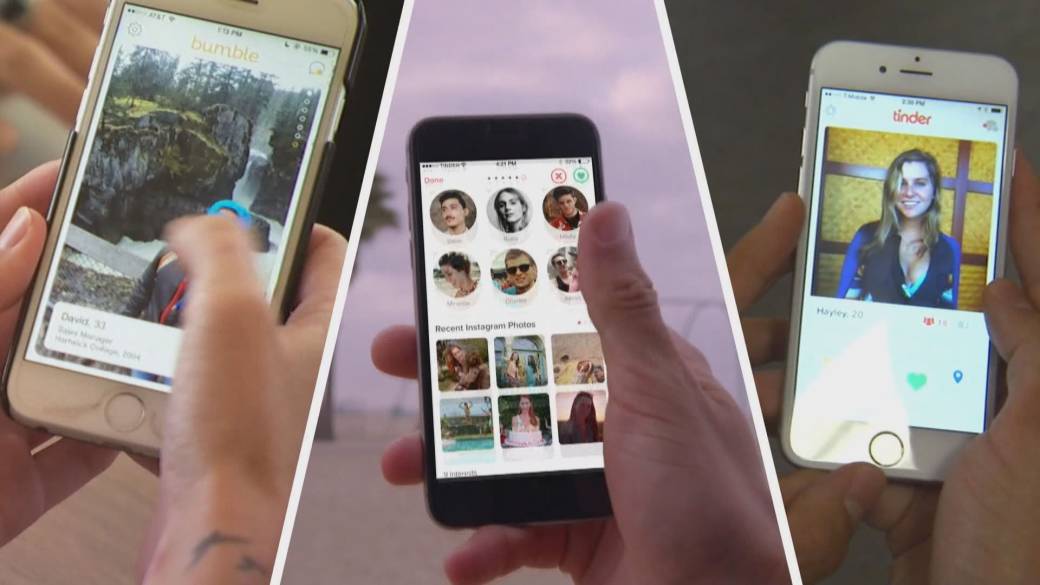
519, a Toronto-based wellness LGBTQ2S+ lobby group has shared some insightful tips when it comes to online dating.
According to 519, online dating can be overwhelming and scary! Remember to have a good time while trusting your instincts.
If you feel uncomfortable, or something feels off, always remember, that you can leave a date, place, situation, or cut off communication with whoever is making you feel unsafe
- Decide how you want to use photos on dating profiles.
If you don’t feel safe using a full photo, opt for one that doesn’t reveal your entire face.
Another option is linking your dating profile to your social media profile(s). Folks who are genuinely interested in knowing you will make the effort to visit them.
- Avoid connecting with suspicious profiles.
If the person you matched with has no bio or linked social media account(s), you could possibly be interacting with a bot or fake account.
Little or no details, or receiving vague responses are red flags.
You should block and report fake profiles.
- Most dating apps have a free video calling option. Use it!
Have a virtual date. Use it as an opportunity to connect with people for initial vetting.
Exchange personal contact numbers and do a few more calls once you feel it is safe to do so.
- Check out your potential date on social media.
If you know your match’s name or handles on social media or better yet if you have mutual friends online look them up and make sure you aren’t being catfished.
Use Google’s reverse image search if you are suspicious about their profile photo.
- Wait to share any personal information.
Never give your personal information such as your work or home address to someone you haven’t met in person.
Never share your Social Insurance Number (SIN), credit card details, passwords to your accounts, or banking information.
Some red flags to look out for in conversations:
They ask for financial assistance, or ask to “spoil you.”
They share links to surveys or websites and ask you to click on them and/or prove you are not a sexual assaulter
They disappear suddenly from the site, then reappear under a different name
They request your home or work address under the guise of sending flowers or gifts
Examples of user behaviour you may want to report:
They request financial assistance
They are a minor
They send harassing or offensive messages
They attempt to threaten or intimidate you in any way
There is a fast “romantic” build-up to the conversation
If you did send money or share financial information, report it to the financial institution used for instance your bank, Western Union, or MoneyGram. You may also want to check and or freeze your credit rating via Equifax and TransUnion.
Equifax – 1-800-465-7166 or consumer.equifax.ca
TransUnion – 1-800-663-9980 or TransUnion.ca
Gather all information about the situation, including the scammer’s profile name, how you made contact, social media screenshots, emails, etc. If you have been scammed or defrauded and feel comfortable, contact your local police service. The 519 can provide support by contacting Toronto’s Police Service and reaching out to us at [email protected].
File a report with the Canadian Anti-Fraud Centre
1-888-495-8501 or AntiFraudCentre.ca
Notify the dating website or social media site where you met the scammer. Scammers usually have more than one account.
Be proactive, tell family, friends, coworkers, and neighbours about your experience to warn them about romance scams.
Follow Canada News Media
Get the day's top Canadian stories and our two daily 60-second news videos wherever you scroll.