


How This Fresh Startup Plans to Dethrone the King
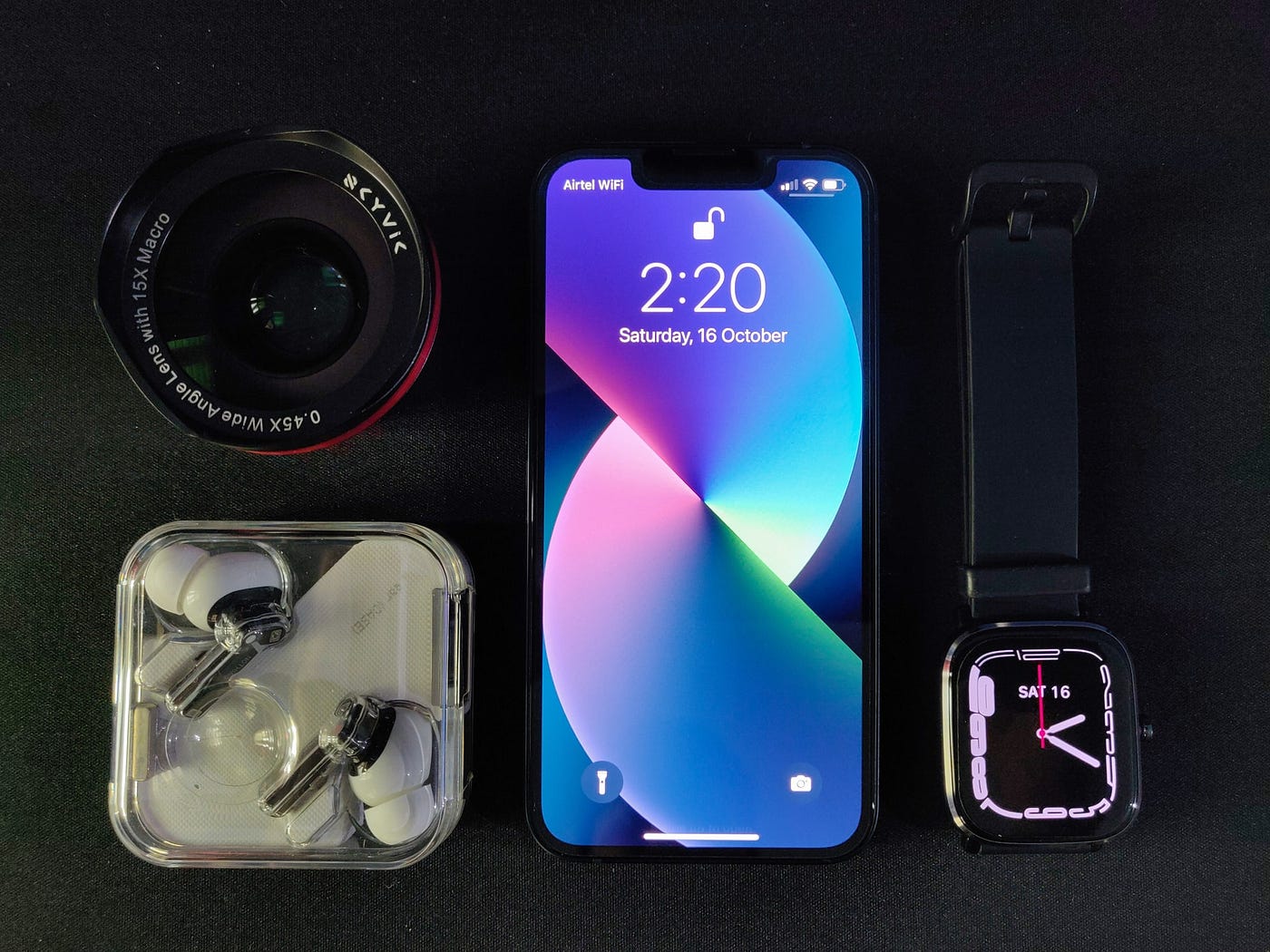
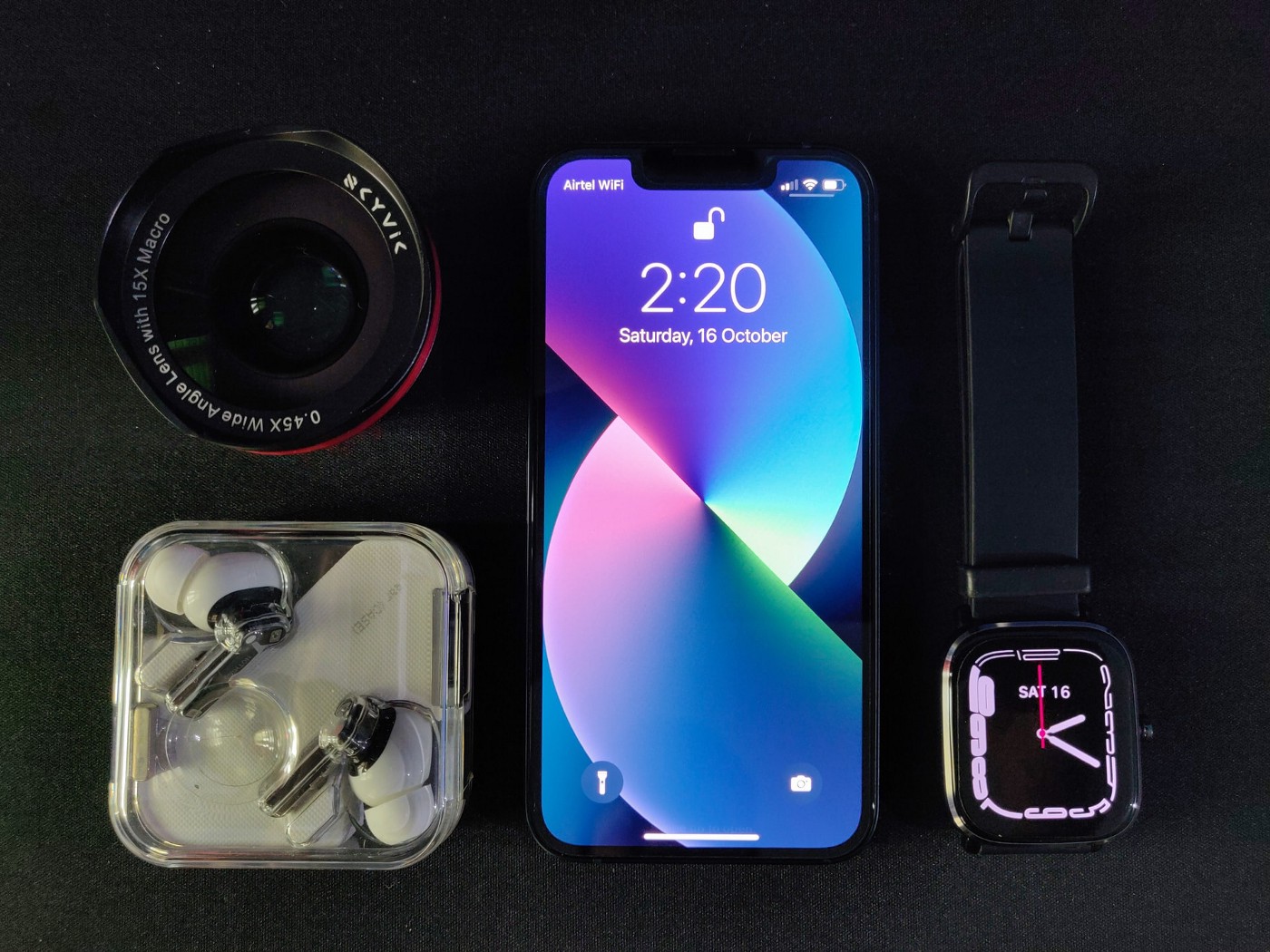
Around a year ago, Nothing released its first product, a $99 transparent set of earbuds, the Ear (1). While they weren’t the best-performing earbuds money could buy, they still offered reasonable performance for the price alongside a design like no other. Fast forward a year later, and Nothing has now unveiled its Phone (1), a device that seems to apply the same formula as its earbud brethren.
And, if everything goes to plan, as Nothing applies this recipe to all of its future devices that will make up a theoretical Apple-rivaling ecosystem, the company will be able to develop its own cult following that will give Apple a run for its money. So, that begs the question, can Nothing really pull it off? Or is it several years too late and doomed to be in a constant fight for relevancy in the fast-paced world of tech?
Let’s find out.
The Nothing Phone (1) — A Different Approach to a Familiar Formula
The first thing worth mentioning is that, although it may look similar to an iPhone, Nothing’s first smartphone is not a direct competitor to Apple’s flagship phones. For one, the Nothing Phone (1) starts at just £399 (~$475), compared to the iPhone 13’s starting price of $799. Consequently, the Phone (1) just can’t stack up in terms of chip performance, image quality, or even battery life. That said, it’s still a pretty compelling mid-range phone.
Alongside every mid-range phone comes a list of decisions made by the company regarding which features are worth keeping and which ones are worth compromising or eliminating entirely. In the case of most sub-$500 phones, the build quality and overall design are typically the most notable downgrades when compared to flagship phones. Whether that means a plastic back or thicker bezels, you can typically tell how much a phone costs just by looking at it.
With the Nothing Phone (1), however, it looks like a legitimate iPhone rival, given the flare its intricate lighting system and see-through casing provide out back, and its thin and symmetrical bezels up front. As a result, it’s definitely the most premium-looking offering in its segment, even when put against Apple’s own mid-range offering, the iPhone SE. Adding to that premium feel is a set of stereo speakers and a reassuring haptic-feedback motor.
On top of its killer looks and premium feel, the Phone (1) also has a solid set of features. This feature set consists of an adaptive 120Hz, 6.5″, 1080p OLED display, a 4500mAh battery, a pretty reliable under-display fingerprint sensor, wireless and reverse wireless charging, 8GB of RAM, and 128GB of storage. If you’re in need of more storage or RAM, an option with 12GB of RAM and 256GB of storage is available for a ~$120 premium.
As for the processor, the Nothing Phone (1) is powered by a modest Snapdragon 778 chipset. While it might not be the ideal phone for intense gaming sessions, the phone’s 120Hz refresh rate and 8–12GB of RAM insure that the phone rarely feels underpowered. When it comes to camera performance, the Phone (1) is equipped with two 50-megapixel sensors, serving as primary and ultrawide cameras. Again, these aren’t on the same level as an iPhone, but they’re perfectly acceptable given its price range.
So, as a whole, the Nothing Phone (1) truly punches above its weight in terms of design and feel, albeit at the expense of a larger battery and possibly the added versatility of a third camera lens.
So How is Nothing Going to Beat Apple?
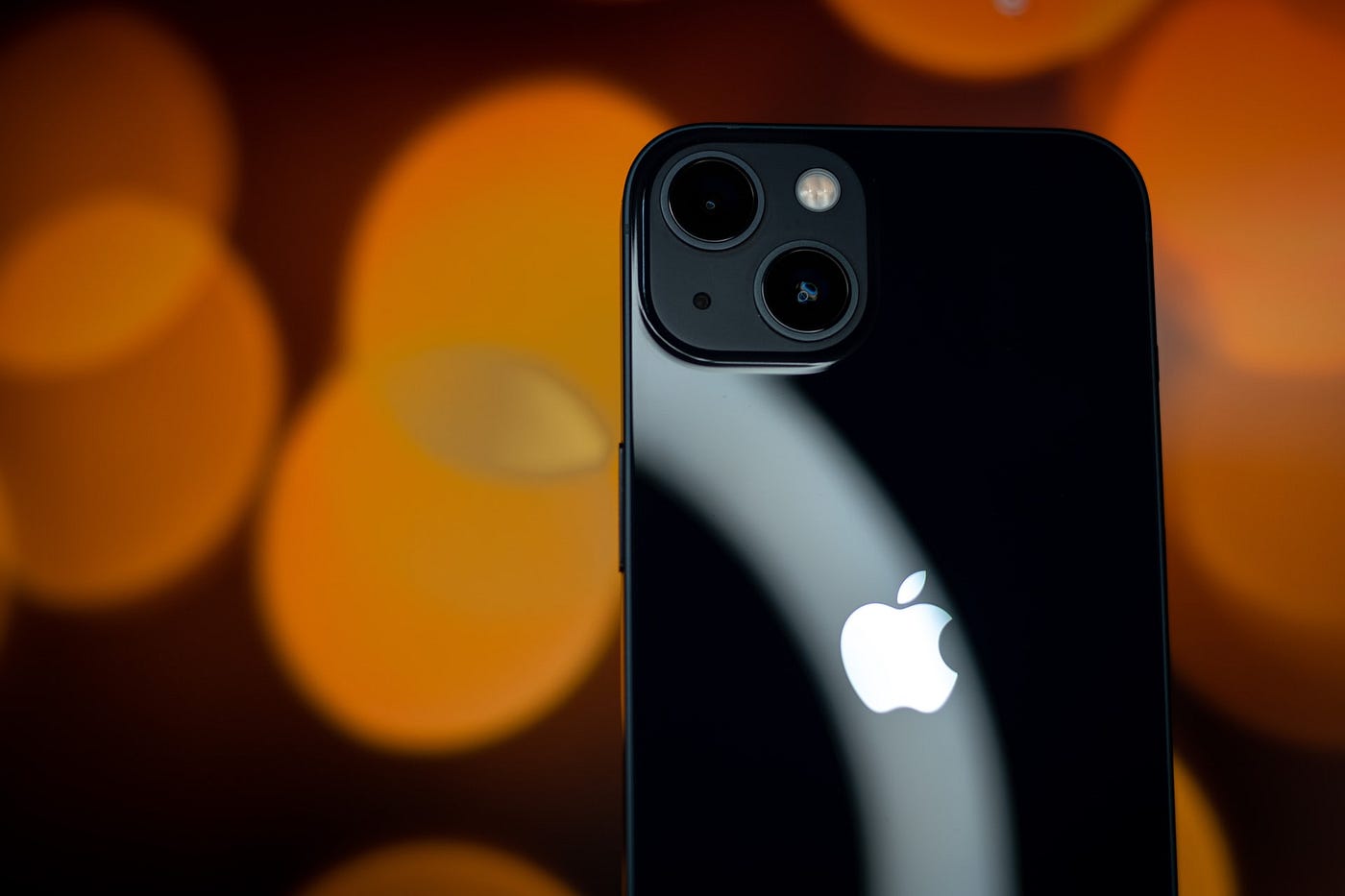
The main thing Nothing has going for it right now is a compelling design and refined software experience. These are two of the main areas Apple finds success with its customers as well, so it sort of makes sense that a comparison could be drawn between the two companies. That said, on top of a refined user experience and iconic design, Apple’s iPhones also attract users based on their strong performance and ability to blend into the top-tier Apple ecosystem.
Nothing has confirmed that it will be working on an ecosystem of its own but, at the end of the day, it’s still going to be based on Android, and will therefore experience the same growing pains that Samsung’s and Google’s ecosystems are still currently suffering from. It’s also worth mentioning that it will likely take several years for Nothing to piece together a complete Apple-rivaling ecosystem, including a laptop, smartwatch, a larger range of phones, and a tablet or two.
That said, as for where Nothing is right now, I think there’s a good chance that the company is bound for eventual success. In spite of the Nothing Phone (1) likely facing limited availability and production output, I think the fact that Nothing has produced an inexpensive phone with a head-turning design and reasonable specs will quickly attract a loyal fanbase. And with this core consumer base established, Nothing will soon be able to branch out into offering other devices, presumably alongside higher-end counterparts, and slowly evolve into more of an Apple competitor.
As for whether or not Nothing will ever reach the same level of sales as Apple, I think the answer will pretty much forever be a “No”. Although I believe that the Nothing Phone (1) would stack up extremely well in the North American Android smartphone market, there are many global offerings that offer higher-end specs while also featuring eye-grabbing designs. And, because the Phone (1) has a very iPhone-esque philosophy in how it presents itself, I don’t expect that it’ll fair much better in a global market than iPhones typically do. For reference, anywhere from 33%-50% of iPhone sales come from North America, followed by Europe, typically making up another 25%.
Having said that, I believe that Nothing will be able to eventually outperform its spiritual parent company, OnePlus, which currently holds a 2% stake in the global smartphone market. OnePlus’ relative lack of sales success comes down to it never becoming too popular with US carriers, and that the company slowly strayed away from what gave them fame in the first place: the best performance for the money.
With Nothing, this axiom has seemingly been modified to be “modest performance, innovative styling, and a refined user experience.” Nothing’s priorities seem to make for a more sustainable business model, and one that will likely find great success with those in search of an affordable device that stands out in a sea of plainly-styled bricks we call phones.
Hey there! If you enjoy reading stories such as these, want unlimited access to all of the great stories on Medium, and wouldn’t mind supporting me in the process, then please consider becoming a Medium member. It’s only $5 a month and, if you sign up using my referral link, I get a small commission.
Sounds like a win-win, doesn’t it?

Follow Canada News Media
Get the day's top Canadian stories and our two daily 60-second news videos wherever you scroll.
X Threads Facebook Instagram LinkedIn TikTok YouTube Pinterest Reddit Substack Flipboard Newsletter RSS