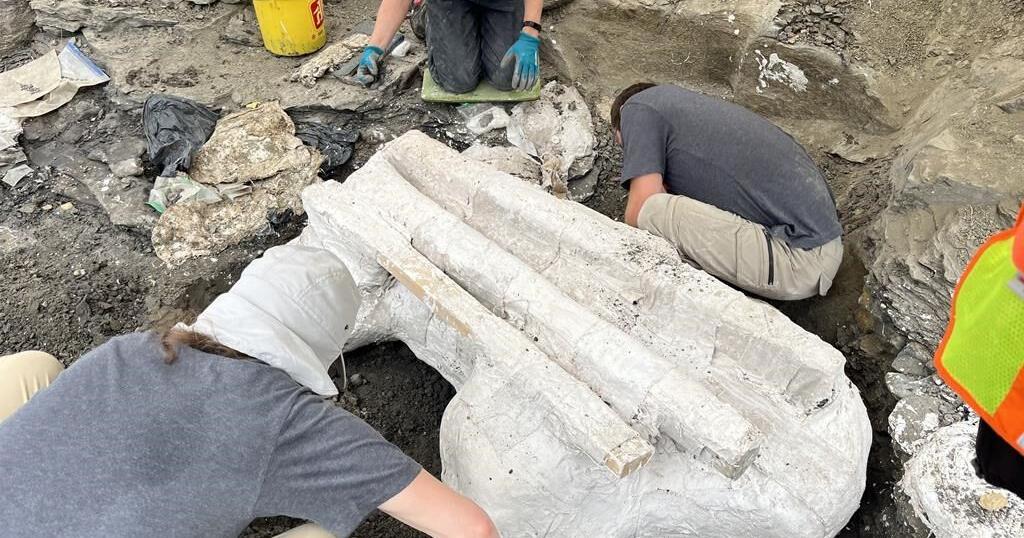


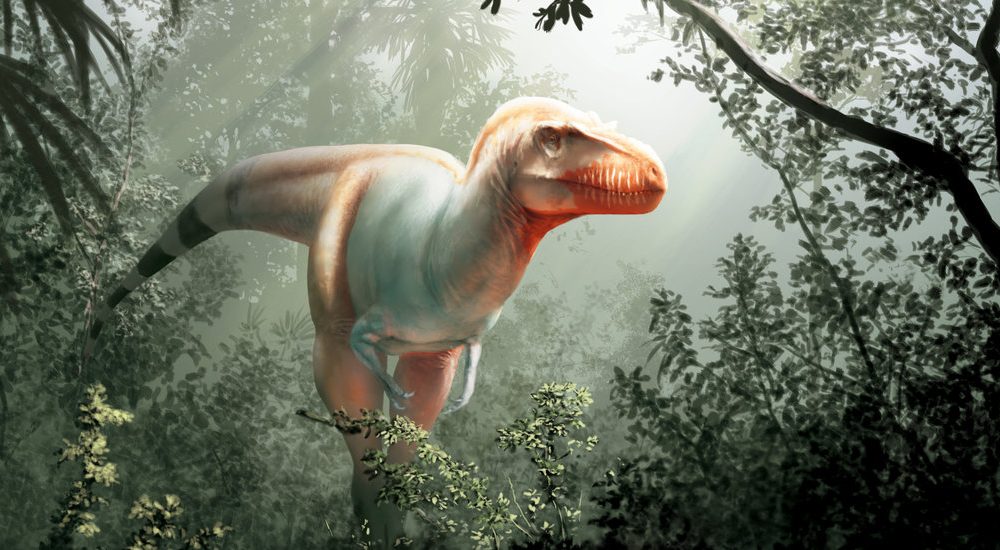

Lindsay Zanno, a paleontologist from North Carolina State University who wasn’t involved in the study stated that the conspicuous ridges were”intriguing.”
“Despite its scrappy stays, it’s a significant new creature that boundaries a vexing gap from the tyrannosaur fossil record,” Dr. Zanno explained.
However, a few paleontologists took place by calling it a different genus.
Thomas Carr, a paleontologist in Carthage College in Wisconsin, agreed the specimen had enough unique characteristics to call it a new species, however, he’d have favored”Daspletosaurus degrootorum.”
“A new genus name strikes me as unnecessary given the fossils are almost identical to its nearest relative, Daspletosaurus,” Dr. Carr said.
Among the newspaper’s co-authors, Darla Zelenitsky, a paleontologist in the University of Calgary, defended the group, stating the ridges about the tyrannosaur’s upper limbs as well as its own different cheekbones justified the name.
“Because of all of the differences we discovered, it’s quite hard for us to justify this creature as a species of Daspletosaurus,” she explained. Since the group finds more specimens,” she added, they will probably discover more differences between Thanatotheristes degrootorum along with another tyrannosaurs.
Enough, perhaps, to permanently etch the reaper’s title on its own tombstone.