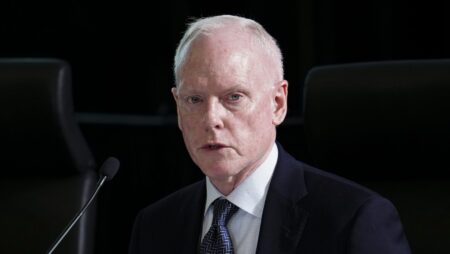





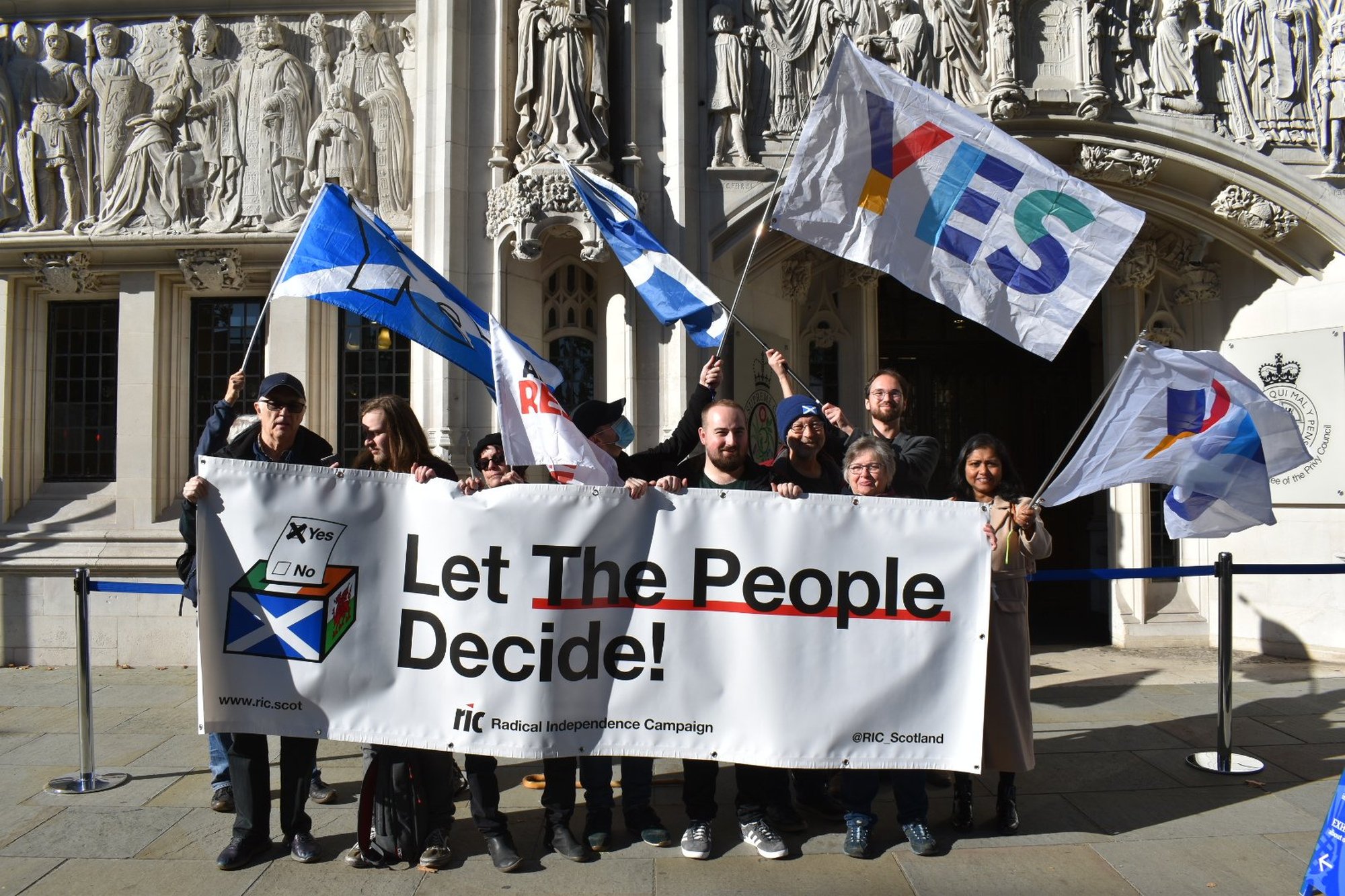
London, United Kingdom (UK)- Dorothy Bain, the Lord Advocate and Scotland’s top law officer, has told the Supreme Court that Scottish voters want their independence from the UK.
Eight years ago Scots decided by 55 percent to 45 percent to stay in the union with the UK but First Minister Nicola Sturgeon wants to hold another vote next year.
However, the government in London has said not enough time has passed since the last vote and Prime Minister Liz Truss has said she will not allow a rerun.
In addition, the British government believes the Supreme Court should only rule once a referendum bill has been passed by the Scottish government.
“(The Judges should not rule) in the context of a draft bill that hasn’t been taken to the Scottish parliament. Courts don’t give advisory declarations in the abstract,” said Sir James Eadie, the UK government’s lead lawyer.
Lord Reed, president of the Court, warned it may take some months before it gives a ruling, adding that it had more than 8 000 pages of written material to consider.
Three successive Conservative Prime Ministers have refused to authorize a second independence referendum, arguing that only Westminster has the legal power to approve one under the Scotland Act of 1998 of setting up the Scottish Parliament.
If the Court decides it is lawful for Scotland to hold a referendum on its independence which the First Minister plans to stage on 19 October 2023, then the UK Prime Minister, will face the real prospect of presiding over the break-up of the UK.
However, if the Court rules against Sturgeon, she is expected to put Scottish independence at the centre of the next UK general election, by arguing Scotland has an inalienable right to decide on its future.
Even though Scotland has its own legal system and an independent judiciary, the UK argues that Westminster is the ultimate source of legal authority in Scotland adding that the secession of Scotland from the union would necessarily bring that sovereignty in relation to Scotland to an end.
Analysts also said any vote held by Sturgeon would not be seen as legitimate unless it had the endorsement of both the UK government and unionist parties in the Scottish Parliament.
“This recourse to the Courts represents a failure of politics, as it demonstrates the inability or unwillingness of the Scottish and UK governments to find a way forward,” said Anthony Salamone, managing director of European Merchants, an Edinburgh-based think-tank.
Follow Canada News Media
Get the day's top Canadian stories and our two daily 60-second news videos wherever you scroll.
X Threads Facebook Instagram LinkedIn TikTok YouTube Pinterest Reddit Substack Flipboard Newsletter RSS