


The oil and gas sector will continue to help Alberta’s economy outperform the rest of the country, according to ATB Financial, but there will still be some pain for Albertans in the year ahead.
Alberta has benefited from high oil prices over the course of 2021, resulting in higher revenues and pushing the province to an expected $12.3-billion surplus.
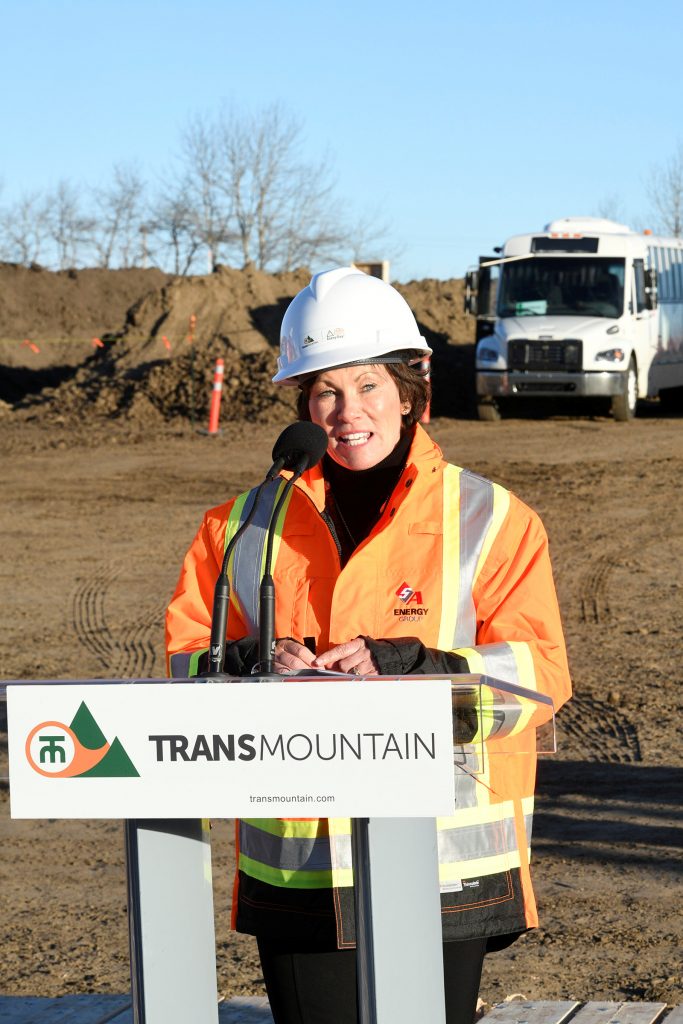
Oil companies were producing a record 3.88 million barrels of oil a day in September. With the Trans Mountain Pipeline expansion expected to be completed in the third quarter of 2023, an additional 690,000 barrels of exporting capacity will be brought online.
“It hits that wall after next year,” he said. “Without more pipelines, you just can’t keep expanding production.”
He says there is cautious optimism for the city, bolstered by the current energy market along with diversification of the local economy, specifically with record growth in tech. Still, there is a long way to go for economic balance between energy and other sectors.
Consumers facing higher costs for rent, groceries and utilities are still in for a tough year, said Roach.
Inflation has cooled since its highs of 8.1 per cent year-over-year this summer, down to 6.9 per cent nationally in October, but there are still a number of global factors that will continue to have an effect.
The war in Ukraine remains a wild card in how it affects global energy prices, supply chains and other commodities such as grain.
Supply chains are improving, but there are still challenges, particularly if COVID-related restrictions cause further interruptions. China has already seen disruptions in a number of sectors, especially those that rely on computer chips.
While gas prices have fallen off from their summer highs, they are still contributing to rising costs at grocery stores and other retail, especially as diesel remains about 60 cents per litre higher than gasoline.
Real estate is also expected to remain strong in Alberta in 2023, bolstered by the migration of 60,000 people to the province in 2022 from other countries.

The price of housing has come off its record-setting pace from 2021 and early 2022, but Re/Max is predicting a seven per cent increase in the price of single-family homes in Calgary in its 2023 Canadian Housing Market Outlook, released Tuesday. Only Muskoka, Ont., and Halifax are forecasted to have a higher increase in the price of a home at eight per cent, while Canada as a whole is looking at a 3.3 per cent decrease in home prices.
The Bank of Canada has been attempting to slow inflation, raising its benchmark interest rate from 0.25 per cent in March to 3.75 per cent in October. Roach said he expects rates to go up another 25 to 50 basis points next week. The strategy has had the desired effect of lowering prices in most other real estate markets, but Calgary remains an outlier.
He expects the bank to stop increasing rates next year, but it will be 2024 before a decrease is likely.
“It’s unlikely that they’ll stop at four,” said Roach.
“We think there’s still enough inflation that they’ll have to get into that 4.25 range. It’ll be all year those interest rates will be high, though, even if they stop raising them.”
Twitter: @JoshAldrich03