



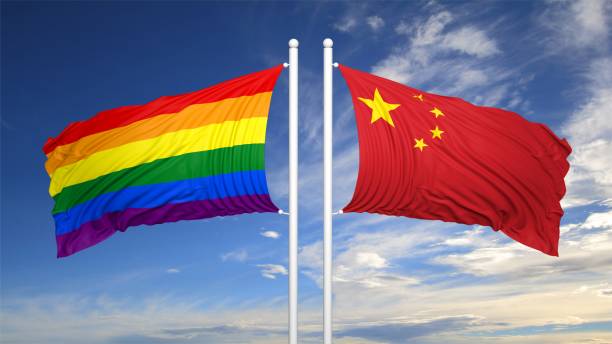
In the realm of LGBT+ rights, China stands as a unique case with its government’s apprehension towards gay-rights groups. Despite significant progress made in many countries worldwide, China’s approach to LGBT+ rights remains a topic of curiosity and concern. This in-depth article aims to unravel the underlying reasons behind the Chinese government’s fear of gay-rights groups, shedding light on the cultural, political, and societal factors that shape their perspective. By incorporating insights from experts and individuals directly affected by these policies, we seek to provide a comprehensive understanding of the complexities surrounding LGBT+ rights in China.
China’s rich cultural heritage and deep-rooted traditional values play a significant role in shaping societal norms and attitudes toward sexuality. Professor Li Wei, an expert in Chinese cultural studies, emphasizes that China’s traditional values place great emphasis on family, lineage, and societal harmony. Non-heteronormative relationships and the visibility of LGBT+ rights movements challenge these deeply ingrained norms, resulting in resistance and fear from conservative factions of society.
China’s government prioritizes social stability and control as integral aspects of governance. The LGBT+ rights movement, with its potential to disrupt societal norms, is perceived as a potential threat to this stability. Dr. Zhang Wei, a political analyst, explains that the government fears that granting too many freedoms to LGBT+ groups may lead to social unrest or the erosion of traditional values. This fear is deeply ingrained in their approach to governance, and they maintain a cautious stance to maintain control and preserve the status quo.
China’s government is vigilant in guarding against foreign influence in various aspects of society, including the LGBT+ rights movement. Concerns have been raised about foreign-funded organizations or NGOs working towards advancing LGBT+ rights in China. Wang Ming, a journalist specializing in social issues, highlights that the government perceives foreign influence in the LGBT+ rights movement as a potential threat to national security. This perception contributes to the defensive stance adopted by the government.
China’s government exercises tight control and regulation over social movements and organizations, including those advocating for LGBT+ rights. Their preference for centralized authority and limited dissent often results in a crackdown on independent civil society groups. Liu Xiaoyun, a human rights lawyer, affirms that the government’s fear of losing control over social movements extends to LGBT+ rights groups. Their apprehension stems from a desire to maintain authority and prevent challenges to their rule.
Public perception of homosexuality in China remains influenced by long-standing stereotypes and misconceptions. These deeply ingrained stigmas surrounding LGBT+ individuals perpetuate prejudice and discrimination. Mei Li, a transgender activist, points out that the government’s fear is fueled by societal prejudices and stereotypes that portray homosexuality as abnormal or deviant. These misconceptions make it challenging to change public opinion and challenge the government’s stance.
Experts and activists stress the significance of education and awareness in fostering acceptance and understanding of LGBT+ rights in China. Chen Wei, an LGBT+ rights advocate, highlights the need for comprehensive education to dispel myths and promote inclusivity. By fostering dialogue and raising awareness, progress can be made toward addressing the government’s fear and building a more inclusive society that values diversity and human rights.
China’s government’s fear of gay-rights groups can be attributed to a complex interplay of cultural, political, and societal factors. Cultural traditions, political control, concerns over national security and foreign influence, as well as the desire to maintain social stability, all contribute to their apprehension. While the government’s stance presents challenges, the voices of activists, experts, and individuals directly impacted by these policies are essential in promoting dialogue, education, and raising awareness. By fostering understanding and encouraging inclusivity, we can strive towards a more accepting society that respects the rights and dignity of all individuals, regardless of their sexual orientation or gender identity.