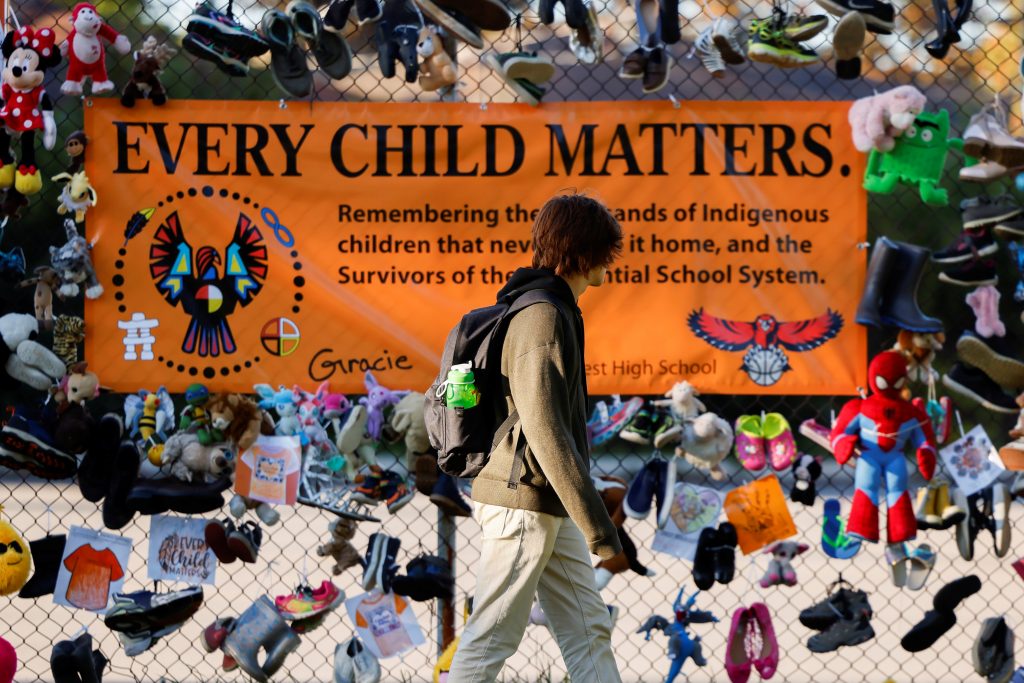



In recent times, the Canadian education system has come under increased scrutiny as concerns over racism within schools and institutions escalate. Calls for equitable change and an end to systemic discrimination have grown louder, prompting both students and educators to rally for inclusive learning environments nationwide.
A stark report released by the Canadian Human Rights Commission has shed light on alarming disparities faced by racialized students in comparison to their non-racialized peers. The findings reveal a complex web of factors contributing to these inequities, including discriminatory discipline practices and an alarming lack of diverse representation among educators. Dr. Jasmine Liu, an eminent expert in race and
education, emphasized, “The alarming discrepancies in disciplinary actions faced by racialized students paint a troubling picture of racial bias that hampers their academic progress.”
Microaggressions, subtle yet pernicious comments or actions targeted at marginalized students, have also taken center stage in the ongoing debate. The Anti-Racist Education Network’s study found that an overwhelming 70% of racialized students reported experiencing microaggressions within their educational environment. Such experiences severely impact students’ mental well-being and hinder their academic performance. Angela Roberts, a concerned parent, shared her distress, stating, “As a mother of two racialized students, I’m deeply troubled by the prevalence of microaggressions. It is crucial for educators to undergo training and recognize these harmful behaviors.”
The curriculum has also been a point of contention, with critics pointing out its perpetuation of stereotypes and biased historical perspectives. A petition endorsed by thousands of students and educators is demanding the inclusion of diverse perspectives to ensure a more comprehensive and accurate portrayal of history. Sara Patel, a high school student, and passionate activist, emphasized, “Decolonizing the curriculum is the need of the hour. It’s time for all students to see their communities’ contributions throughout history, and it starts with diverse representation in the classroom.”
In response to these mounting concerns, some educational institutions have taken proactive steps to address racism on their premises. The Ontario Ministry of Education, for instance, has launched an anti-racism initiative to foster diversity, equity, and inclusion in schools. Dr. Emily Chen, a noted researcher in educational equity, remarked, “The Ontario Ministry’s initiative marks a significant stride forward. Acknowledging the presence of racism is essential, but lasting progress hinges on the sustained commitment to implementing tangible changes.”
Beyond governmental endeavors, grassroots organizations and community-led initiatives have emerged as champions of the anti-racist movement in the education sector. “Teaching for Equity,” one such initiative, offers professional development workshops for educators centered around anti-racist teaching practices. Founder and seasoned educator David Thompson underscored the importance of their mission, stating, “Education is an empowering tool in the fight against racism. By equipping educators with the knowledge and skills to create inclusive classrooms, we can effect meaningful change.”
As conversations around racism in Canadian education gain momentum, it is evident that more substantial action is required to dismantle systemic discrimination. A collective effort from stakeholders—students, educators, administrators, and policymakers—is paramount to creating lasting change. Only through unwavering dedication to equity can Canada’s education system evolve into a haven where all students have equal opportunities to thrive.
Follow Canada News Media
Get the day's top Canadian stories and our two daily 60-second news videos wherever you scroll.
X Threads Facebook Instagram LinkedIn TikTok YouTube Pinterest Reddit Substack Flipboard Newsletter RSS