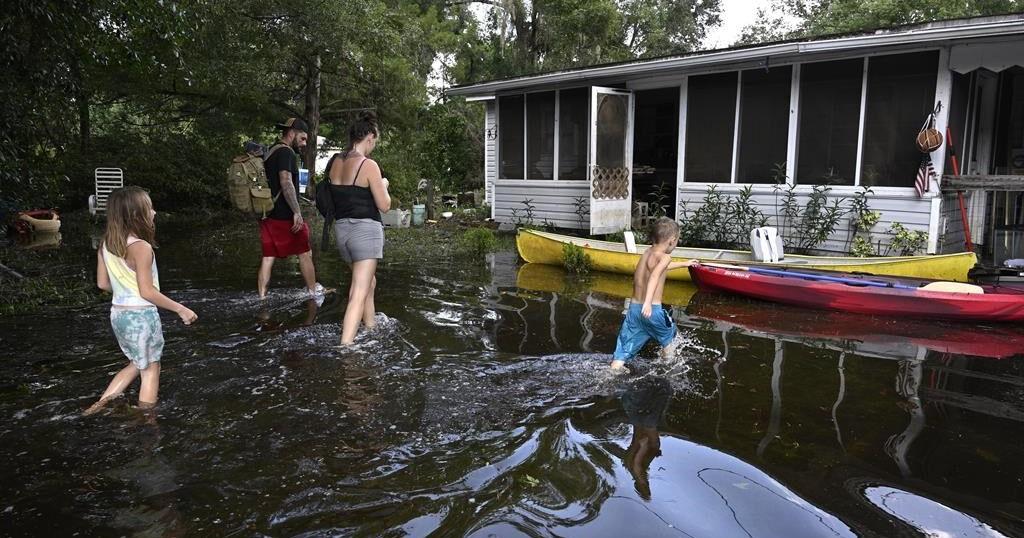


Heat waves and winter storms combined with power outages are a dangerous recipe that can have tragic results.
Extreme weather-induced power outages mean sweltering under relentless heat or freezing temperatures with no power to operate an air conditioner or heater.
Texas, for example, has its own non-profit operated grid called ERCOT, so when much of the state saw its hottest July on record in 2022, officials there issued what’s called a conservation appeal asking the public to reduce energy consumption during periods of extreme heat. This came on the heels of a power crisis in 2021 in the same state when a brutal winter storm crippled wind turbines and natural gas infrastructure that weren’t adequately winterized. Gas-fueled power plants in Texas went down as a result, leaving millions cold and in the dark.
Outages caused by winter storms and summer heat waves can leave residents powerless, but they’re fundamentally different problems with essentially opposite solutions. Winter outages typically stem from a large or sudden drop in the supply of energy to the grid. A natural gas power plant goes offline, turbines stop turning or a snow-loaded tree falls onto a power line, cutting off service.
Can solar panels save you money?
Interested in understanding the impact solar can have on your home? Enter some basic information below, and we’ll instantly provide a free estimate of your energy savings.
Blackouts during a heat wave, on the other hand, are usually triggered by an excess in demand for electricity. They’re typically caused by thousands of households all turning on their air conditioners at the same time to escape the heat. This is why utilities and other officials will often appeal to customers to conserve energy when the mercury rises.
Such energy conservation appeals help prevent blackouts, said Yami Newell, associate director for community projects at Elevate, a Chicago-based non-profit that works on energy issues. But it can also lead to some hard choices for people who are left to figure out how to reduce their own energy consumption.
Newell emphasized that reducing your energy consumption doesn’t have to mean just sweating and suffering through it.

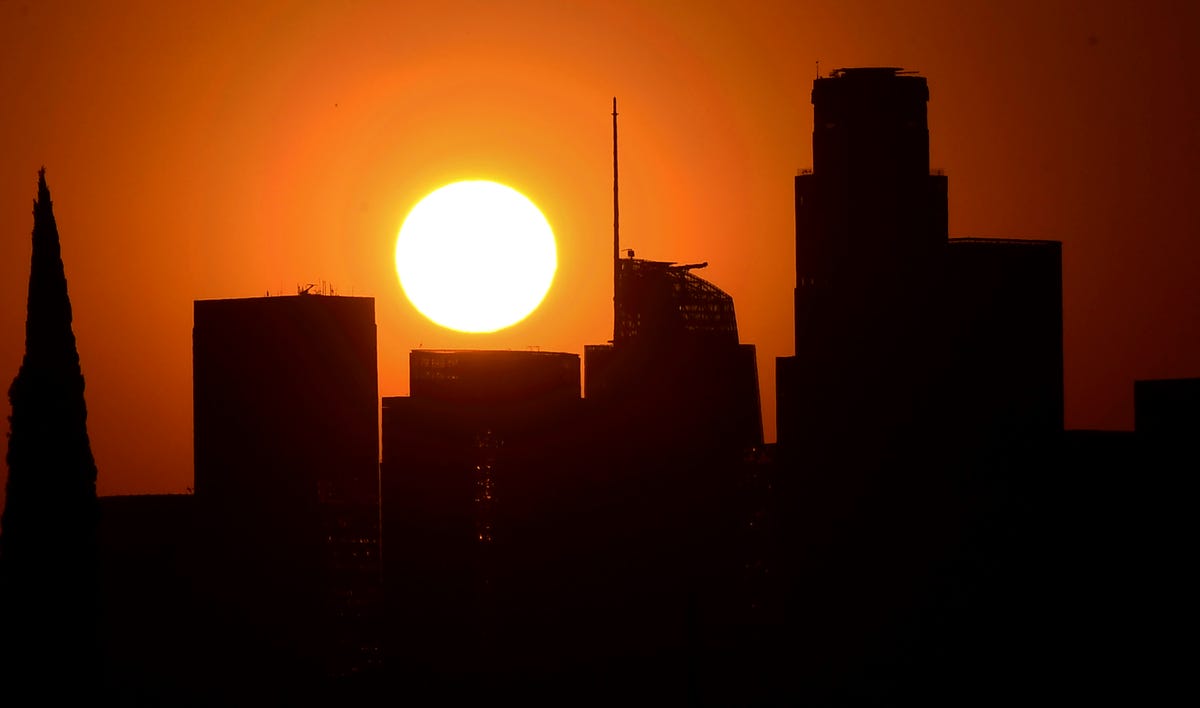
Downtown Los Angeles, California on September 30, 2020. Heat waves add demand to the power grid. The added stress can cause blackout or brownouts.
Winter weather:
- Invest in a back-up source of power like a generator or battery system. There are a wide array of backup power solutions on the market, from whole home gas-powered generators costing tens of thousands of dollars, to inexpensive portable batteries you can charge off a wall socket beforehand to provide several hours of power for essential devices when the power goes out. More on these options in the next section.
- Consider an electricity-free source of heat like a wood stove. There are also a limited amount of gas or propane heaters that can be operated safely indoors. If you opt for such a source of heat, ensure that you follow all instructions for operating such a heater safely to avoid starting a fire or carbon monoxide poisoning.
- Stock up on supplies. If you don’t have a back-up source of power, or even if you do, it’s a good idea to keep a sufficient amount of food, blankets, water, warm clothing (dress in layers), batteries and light sources (careful with candles) on hand.
- Weatherize your house before the storm hits. If your home is of a certain age, there’s a good chance it’s leaking warmth somewhere. Sealing those leaks and adding insulation will keep you warmer a little bit longer when your heat goes out. These improvements also qualify for a federal tax credit.
How to protect yourself from power outages
One way to never worry about power outages is to set up your own energy generation and storage system. This can be done in the form of solar panels and battery storage, which comes with the added benefit of being able to sell the extra power you generate to your local utility in exchange for credits on your monthly bill.
Some electric vehicles offer a bidirectional charging where your EVs battery can act as a backup power source.
Other homeowners go for the arguably simpler approach of installing a back-up generator that can kick on to run your house when the grid goes down. You can also buy back-up batteries that you can charge via the grid or however you like to use in an emergency, rather than a generator that can be loud and uses fossil fuels. This is typically the least expensive option, but needs to be charged in advance of the emergency and only lasts for a few hours or days at most, depending on usage.


How reducing your energy use can help the grid
The stability of an electrical grid, and really any electrical system, depends on being able to maintain a steady supply of energy to meet the demand of devices that are pulling from or consuming the energy.
This is why things can go haywire in your home if you plug too many things into a single circuit that isn’t designed to handle that much demand. Circuit breakers in your home are actually set to shut off the flow of power in the circuit when this happens to prevent damage to your devices or electrical system.
Something similar can happen to the larger electrical grid when heat waves hit and thousands of energy-hungry air conditioners are all turned on at once. If demand begins to approach a state of exceeding the available supply of electricity on the grid, the utility must initiate rolling blackouts to prevent damage to the system. If preventive measures aren’t implemented in time and the system overloads and causes an unplanned blackout, the lights may stay off for even longer until damaged components can be repaired or replaced.
Running several electric heaters in a large room on a cold winter day might trip a breaker in your home in the same way that a heat wave-induced power demand might trigger a broader blackout.
Employing passive cooling techniques, like simply drawing light-colored curtains during sunny hours can reduce temperatures in your home and your energy usage as well. Even taking simple measures that reduce ambient temperatures by just a few degrees translates to less energy usage.
All of these tips and actions may look like small measures that have no effect on your energy grid, but if enough people take steps towards energy conservation during extreme weather events, it could help make a bigger impact.