



If study proves effective, it could be ‘added layer of early detection’ of tuberculosis: NTI
Can early detection of tuberculosis outbreaks happen through monitoring a community’s wastewater? That’s what a group of researchers is trying to find out.
They were in Iqaluit Tuesday afternoon to announce a $3.5-million, five-year study that could improve Nunavut’s tuberculosis screening programs.
“I want to make it clear that the proposed research is not an instant solution to eliminating TB from the territory, even though that is our ultimate goal,” said Dr. Gonzalo Alvarez, the Ottawa-based lead researcher on the study.
Alvarez has researchers from University of Ottawa and University of British Columbia on his team, with collaboration from Nunavut Tunngavik Inc.
Tuberculosis is a bacterial infection that mainly affects the lungs. It spreads through the air when an infected person laughs, coughs or sings. While tuberculosis is easily treatable, it can be fatal without medical intervention.
Researchers plan to test spit, urine, stool and wastewater from patients diagnosed with tuberculosis to see how the bacteria that causes the disease shows up in wastewater.

They will then monitor wastewater from specific places, such as Iqaluit’s men’s shelter and the city’s water treatment plant. The samples will be tested in Ottawa.
The study starts this year and will continue year-round.
It is funded by a $3-million grant from the Canadian Institutes of Health Research and $500,000 from NTI.
The research will be done under the guidance of the Taima Tuberculosis Steering Committee, which was established in 2011 by NTI, the Government of Nunavut and Ottawa Hospital Research Institute to prevent, detect and treat tuberculosis in Nunavut.
Alvarez said his goal through the study is to gather evidence that wastewater screening is effective for detecting tuberculosis.
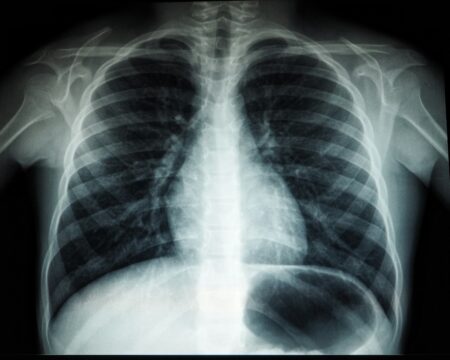
If it is, wastewater screening will be “another layer of early detection” for TB that will complement screening programs already in use, including skin tests, sputum tests and chest X-rays, according to a news release from NTI.

Dr. Sean Wachtel, Nunavut’s chief public health officer, pointed out that wastewater detection has helped with early detection of COVID-19 and said he believes this study could be critical to achieving the federal government’s goal of eradicating tuberculosis in Nunavut by 2030.
Tuberculosis rates in the North are about 100 times greater than in the general population. There are ongoing tuberculosis outbreaks in Pangnirtung, Naujaat and Pond Inlet.
“This initiative is quite groundbreaking,” Wachtel said.