


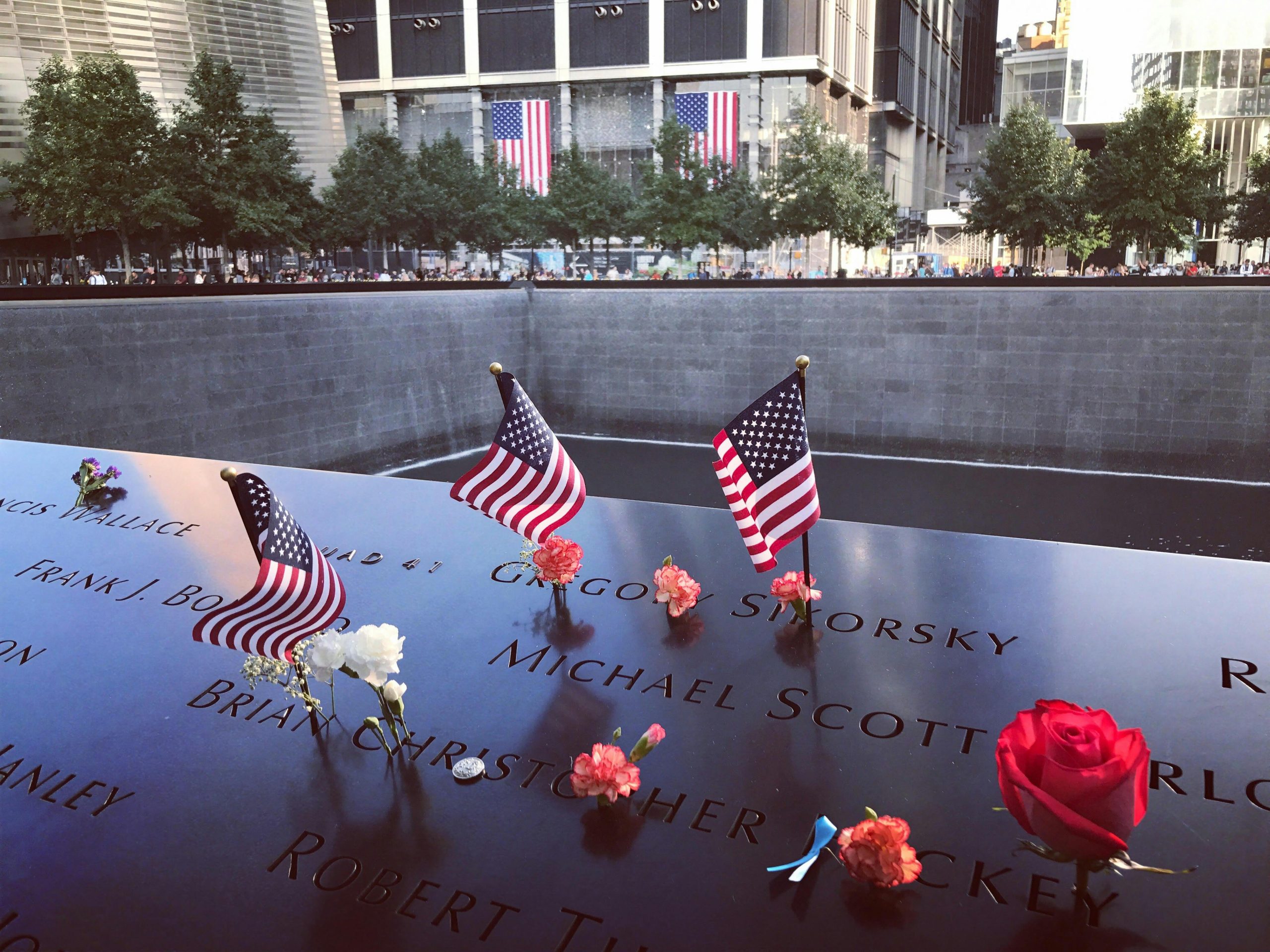
The events of September 11, 2001, cast a long shadow over the global landscape, reshaping perspectives, policies, and individual lives. While the impact of 9/11 is often discussed in the context of geopolitical shifts and national security, it is essential to recognize its effects on diverse communities, including Black Canadians. This article delves into the multifaceted ways in which the 9/11 attacks reverberated within the Black Canadian community, exploring narratives of resilience, challenges faced, and the enduring spirit that emerged in the aftermath.
Section 1: Immediate Reactions and Community Solidarity
As news of the 9/11 attacks spread, shockwaves reverberated through Canadian cities, including those with significant Black populations. The immediate aftermath saw expressions of solidarity and shared grief within Black communities. Churches, community centers, and grassroots organizations became spaces for collective mourning, fostering unity in the face of a shared tragedy.
Section 2: Navigating Increased Security Measures
The aftermath of 9/11 brought about heightened security measures globally, impacting the daily lives of Black Canadians. Increased scrutiny at airports, border crossings, and public spaces disproportionately affected individuals perceived as “visibly different.” Black Canadians found themselves navigating a changed landscape, where racial profiling became a stark reality.
Section 3: Islamophobia and Anti-Black Racism
As the narrative surrounding the 9/11 attacks unfolded, it became intertwined with Islamophobia. Black Canadians, particularly those who identified as Muslim, faced heightened prejudice and discrimination. The conflation of race and religion compounded the challenges, with Black Muslims often bearing the brunt of anti-Black racism and Islamophobic sentiments.
Section 4: Impact on Educational and Professional Opportunities
The post-9/11 climate also had repercussions on educational and professional opportunities for Black Canadians. Increased surveillance and security concerns influenced hiring practices, and individuals from Black communities often found themselves subjected to additional scrutiny. This section explores the hurdles faced by Black Canadians in pursuing education and employment against a backdrop of increased suspicion.
Section 5: Cultural Expression and Identity
Despite the challenges, the post-9/11 era also witnessed a resurgence of cultural expression and a reaffirmation of identity within Black Canadian communities. This section explores how art, music, literature, and activism became powerful tools for asserting resilience, fostering pride, and challenging negative stereotypes.
Section 6: Community Advocacy and Activism
The 9/11 attacks prompted many Black Canadians to engage in advocacy and activism, addressing the intersectionality of race, religion, and citizenship. This section explores the emergence of grassroots movements, community-led initiatives, and partnerships aimed at challenging systemic discrimination and promoting inclusivity.
Section 7: Legacy and Looking Forward
As time passed, the impacts of 9/11 persisted in the lived experiences of Black Canadians. This section reflects on the lasting legacy of the events and explores how the community has evolved. It also highlights ongoing efforts to dismantle systemic barriers, promote understanding, and foster a future where resilience triumphs over adversity.
The aftermath of the 9/11 attacks significantly influenced the trajectory of Black Canadians, shaping their experiences in a post-9/11 Canada. This article aimed to provide a comprehensive exploration of the multifaceted impact, from immediate reactions and community solidarity to long-term challenges and enduring resilience. By understanding these narratives, we contribute to a broader conversation about the intersectionality of race, identity, and global events, emphasizing the importance of fostering empathy, dismantling stereotypes, and building a more inclusive society.