


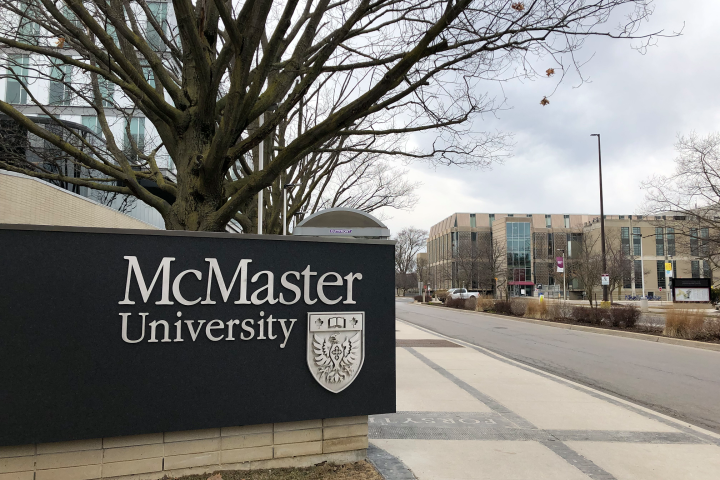
McMaster University has announced an ambitious plan to convert parking lots on its west campus into naturalized green space over the next few decades. The move is part of the school’s new 10-year campus master plan developed by international design firm BDP.
The area slated for rewilding currently contains over 1,300 parking spots situated on floodplain land beside mature trees, creeks and trails leading to the Cootes Paradise nature sanctuary. Under the master plan, approximately 800 spots will gradually be removed and allowed to return to a natural state.
“The university sits right beside an eco-park system that links Dundas all the way to the lake, which is super important,” said Yves Bonnardeaux, senior architect with BDP Quadrangle, designer of the master plan. “The area is primed for naturalization.”
According to Bonnardeaux, the parking lots will likely become an extension of the adjacent wetland, with a pond potentially forming on the site over time. The rewilding process will be gradual, beginning with efforts to reduce parking demand so the land can be freed up. This could involve building a multi-level parking garage and increasing on-campus housing to decrease commuters. Hamilton’s planned LRT line will also help reduce reliance on parking.
The concept of rewilding degraded land is gaining interest, especially in Europe. It involves removing human structures and allowing nature to take over again. Well-known examples include naturalization projects in the Scottish Highlands, Detroit and on Vancouver Island.
Saher Fazilat, McMaster’s VP of Operations, says the university has committed to not developing the west campus further. The rewilded area may even serve as a living laboratory for students and faculty studying environmental topics.
The parking lot conversion plan is part of McMaster’s broader goal to achieve net-zero carbon emissions by 2050. The new campus master plan moves away from the 2002 version by boldly embracing sustainability initiatives. It recommends the university heart be car-free and more gathering spaces created to connect the campus to its natural surroundings.
“This time around we wanted to go big and bold with sustainability,” said Fazilat.
Why Naturalize Parking Lots?
The west campus parking lots sit on land prone to flooding beside one of Canada’s most important wetland conservation areas. Returning hardscape to nature aligns with the area’s ecosystem services and McMaster’s sustainability vision while supporting regional biodiversity. It also provides new opportunities for environmental learning.
Rewilding Explained
Rewilding refers to re-naturalizing environments in degraded or human-altered locations. In Europe, rewilding projects allow farmland and clearcuts to return to native forests and formerly drained wetlands to flood again. Urban rewilding removes concrete to let nature reassert itself.
At McMaster, rewilding will happen gradually as parking demand is reduced through transportation changes. The land will then transition from asphalt to marsh to pond to an extension of the adjoining wildlife preserve. Allowing campus land to return to its natural floodplain state will benefit the watershed.
What’s Planned
Over 10 years, the new master plan guides overall campus development. West campus will see:
- 800 parking spots removed as lot leases expire
- The remaining spots were consolidated in the new garage
- More student residences built to decrease commuting
- Cootes Paradise trail system expanded into the rewilded zone
- The area serves as the sustainability research site
The aim is to enhance the student experience through improved transit, pedestrianization of the campus core and showcasing McMaster’s natural assets.
Why Now?
McMaster wants to demonstrate leadership in sustainable planning and operations. As Bonnardeaux summarized, “The university sits right beside an eco-park system that links Dundas all the way to the lake, which is super important.” Respecting this context, the master plan recommends embracing the campus’s “outstanding natural surroundings” more boldly.
The rewilding initiative also helps McMaster work toward its 2050 net-zero emissions target through ecological restoration and reduced car dependency.