



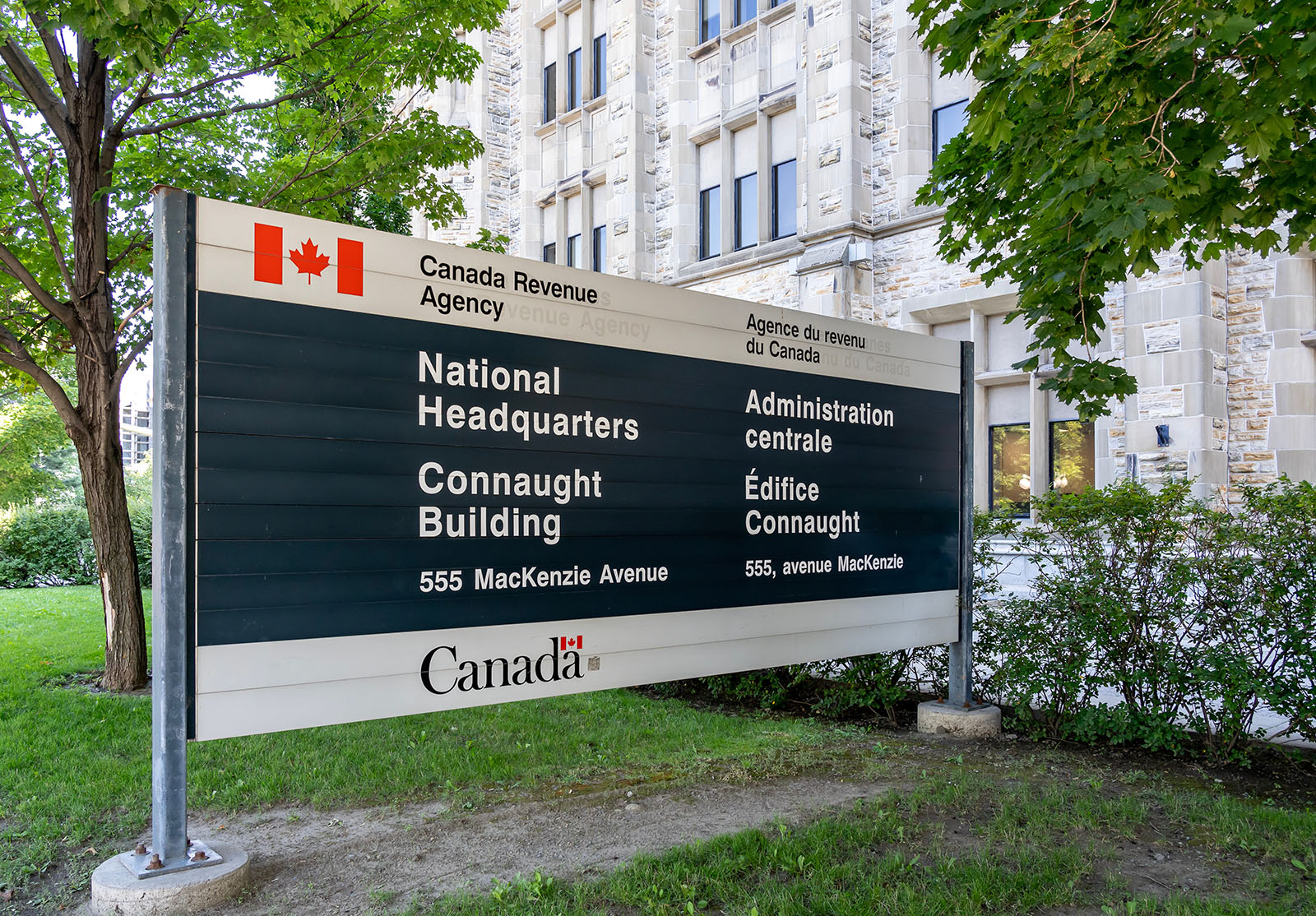
The Muslim Association of Canada (MAC) has expressed strong disapproval of a recent Ontario Court of Appeal decision, claiming it allows the federal government to violate Charter rights with impunity. The court’s decision upheld a ruling that permits the Canada Revenue Agency (CRA) to continue its audit of MAC, a process the charity alleges is tainted by systemic bias and Islamophobia.
MAC, an organization that promotes community service, education, and youth empowerment, serves over 150,000 Canadians through its mosques, schools, and community centers. The association argues that the CRA’s audit infringes on their Charter rights, specifically the guarantees of equality, freedom of religion, expression, and association.
The association initially sought to halt the audit through the Ontario Superior Court, arguing that the audit process was fundamentally biased. However, Superior Court Justice Markus Koehnen rejected their request last year, stating it was premature to intervene in the ongoing federal review. Koehnen acknowledged the validity of many of MAC’s arguments but emphasized that court involvement was inappropriate while the audit process was still active.
The Ontario Court of Appeal recently upheld Justice Koehnen’s decision, agreeing that the challenge was premature. The panel of judges found no error in the previous ruling, emphasizing the necessity of allowing the CRA’s internal processes to conclude before judicial intervention.
MAC’s representative, Sharaf Sharafeldin, criticized the decision, stating that the “prematurity principle” imposes significant legal and administrative burdens on charities. These costs, according to Sharafeldin, lead to financial hardship, reduced programs, and compromised charitable work, preventing effective challenges to Charter violations by the time the audit is completed.
In a statement, MAC highlighted that the decision disproportionately harms visible minorities and disadvantaged communities, who already suffer from systemic discrimination by government agencies.
The federal government has argued that the CRA’s selection of MAC for audit and subsequent review did not infringe upon Charter rights. The audit process includes potential internal appeals within the CRA, appeals to the Tax Court of Canada in the event of financial penalties, and to the Federal Court of Appeal if charitable status is revoked.
This ruling underscores the tension between government oversight and the protection of Charter rights, particularly for minority and disadvantaged communities. The outcome of this case could set a significant precedent for how charitable organizations can challenge perceived systemic bias and government overreach in Canada.