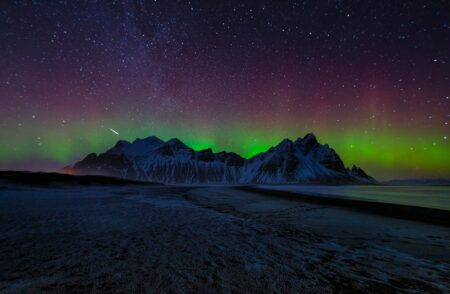



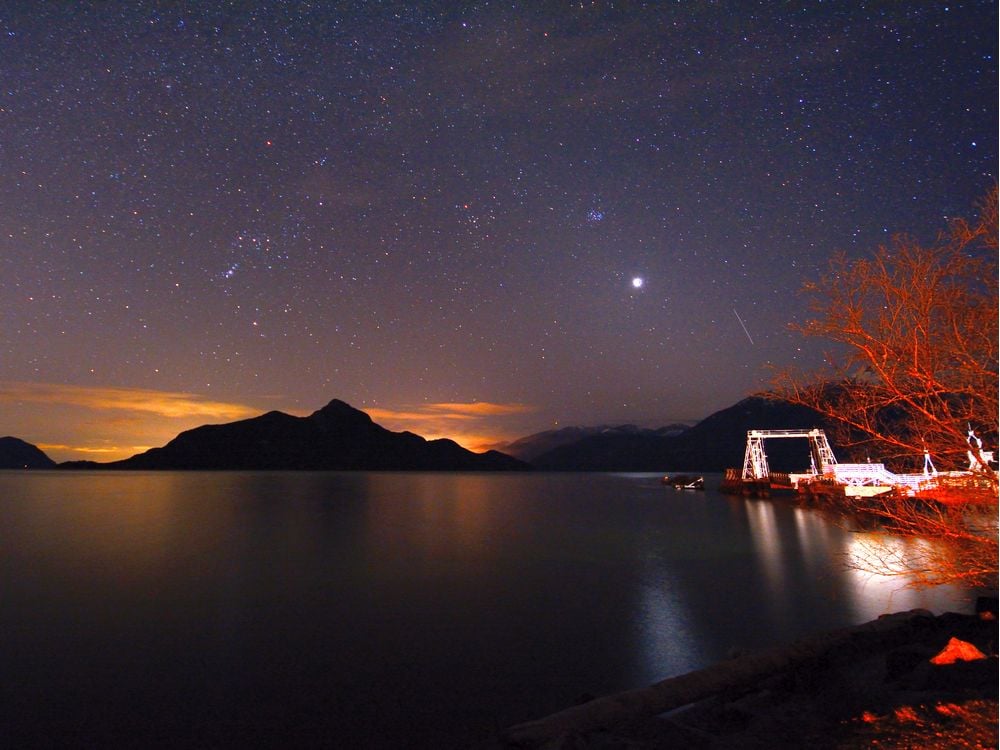

• Constellations, the Milky Way and bright planets can be seen with the naked eye. Binoculars can provide a good close-up of the moon, and telescopes are best for viewing planets and galaxies.
• Download a stargazing app such as Star Walk (vitotechnology.com). Just point at the sky and see what is up there in real time based on your location.
• Print out free star charts online (skymaps.com). If you are using a light to read your chart, place red cellophane or paper over it to dim the brightness and preserve your night vision.
What will you see? At this time of year, objects in the sky include Venus, Mars, Jupiter, Saturn and Orion. At 8:34 p.m. Thursday, the International Space Station passes within five degrees of the moon. If you have a telescope, view the waxing moon and enjoy craters and crater shadows. The moon will be in the same binocular field of view as the Beehive Cluster, an open cluster in the constellation Cancer. On Friday, the very bright planet Venus will be inside the most famous open cluster Messier 45 — the Pleiades, commonly known as the Seven Sisters. Enjoy it with either a telescope or binoculars. The best viewing time is 8:30 p.m., when it is mostly dark and still about 30 degrees above the Western horizon.

Follow Canada News Media
Get the day's top Canadian stories and our two daily 60-second news videos wherever you scroll.
X Threads Facebook Instagram LinkedIn TikTok YouTube Pinterest Reddit Substack Flipboard Newsletter RSS