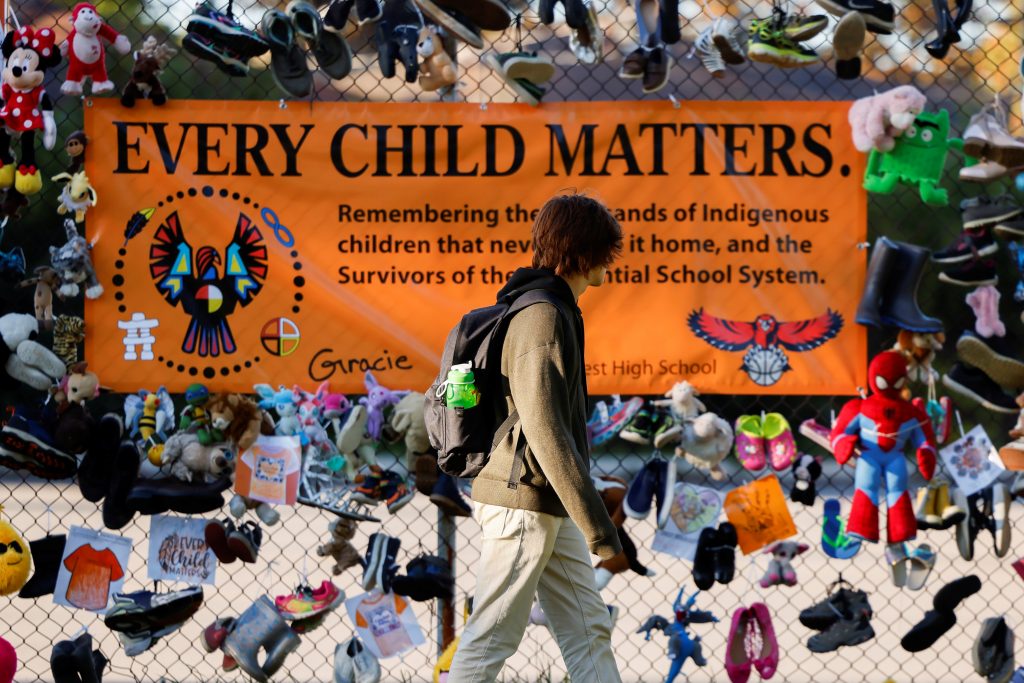




In recent years, hate crimes and incidents of discrimination have risen across Canada, a troubling trend that has affected marginalized communities, including Black Canadians, Indigenous people, immigrants, and religious minorities. As these groups face increasing threats of violence, systemic discrimination, and harmful rhetoric, many have mobilized to defend their communities and advocate for effective strategies against hate.
This article delves into how these communities have built resilient networks to combat hate, drawing from real-life experiences and highlighting the need for sustained support from the government, law enforcement, and the wider public.
Hate incidents are not confined to any one region in Canada. From major urban centres to smaller rural communities, many people from marginalized groups have reported an alarming increase in harassment and threats. According to Statistics Canada, hate crimes against racial minorities, particularly Black and Indigenous Canadians, have seen a dramatic uptick in recent years. This has fueled anxiety and fear within communities that have long been targets of systemic racism.
Sophie Campbell, a Black woman living in Toronto, recalls a terrifying encounter at a subway station. “I was just going about my day when a man came up to me and started yelling racial slurs,” she shared. “He was so aggressive that I feared for my safety. It’s not just words—hate can feel like a physical threat.”
For Indigenous peoples, the rise in hate incidents compounds an already challenging history of colonialism, dispossession, and marginalization. Sarah Thomas, an Indigenous community advocate from British Columbia, spoke about her community’s experiences: “Hate isn’t new to us. Our people have faced centuries of violence and discrimination. But recently, we’ve seen an increase in organized hate groups targeting our communities.”
Faced with these realities, communities have taken it upon themselves to create proactive defense strategies, building systems of protection, solidarity, and empowerment. Many grassroots organizations have stepped up to develop resources, hold educational events, and promote the reporting of hate incidents. In the absence of consistent institutional support, self-organized efforts have become lifelines for many.
In Toronto, a network called the Anti-Racist Defence Collective has grown to serve as a beacon of protection. One of the collective’s co-founders, Malik Hassan, explains how their network works: “When someone in the community reports a hate incident, we immediately mobilize to provide support. That could be organizing safe transport, offering legal advice, or simply being present as a group in spaces where people feel threatened.”
These support networks provide not only immediate protection but also psychological reassurance. “Just knowing that there’s a community ready to help if something happens makes me feel a little safer,” said Amanda Wilson, a Black Canadian who has lived in Vancouver for over a decade. “It’s like we’re no longer alone in this fight.”
Education and Awareness
A crucial part of community defense has been educating people about hate and its consequences. Community leaders have increasingly focused on creating public awareness campaigns, workshops, and resources that address the root causes of hate and how it manifests.
“We can’t fight what we don’t understand,” noted Andrew Lloyd, a community organizer working in Montreal. “Our workshops focus on recognizing hate speech, knowing your rights, and learning about the long history of systemic racism in Canada. Education is empowerment, and an empowered community is one that can defend itself.”
In many cases, these educational initiatives are held in partnership with local schools and libraries. By involving youth, communities are able to promote a long-term cultural shift that confronts prejudice before it takes root.
Multicultural and interfaith coalitions have also become key strategies in community defense. These alliances build bridges between groups that have historically been marginalized, such as Jewish, Muslim, and Indigenous communities, to foster mutual understanding and solidarity.
“An attack on one of us is an attack on all of us,” said Rabbi Isaac Green, who leads an interfaith dialogue group in Ottawa. “When we stand together, we are stronger. Our alliances aren’t just about defense—they’re about building a future where hate doesn’t thrive.”
While communities have organized to protect themselves, many advocates argue that the government and law enforcement need to do more to address hate. Across Canada, there is a widespread belief that hate crimes are under-reported and that those responsible for acts of hate are often not held accountable.
Cynthia Lewis, a Black Canadian and social justice advocate, spoke about her frustrations: “When you report a hate crime, there’s often little follow-up. It feels like the system doesn’t take it seriously enough. The police are there to protect us, but it doesn’t always feel like they’re on our side.”
There is growing pressure on the federal government to implement stronger hate crime legislation and to better resource law enforcement so they can tackle hate groups effectively. In 2022, the Canadian government introduced legislation to address online hate, but advocates argue that more needs to be done to address hate at the ground level.
“We need real investment in anti-hate initiatives, not just token statements,” said Thomas Stevens, an Indigenous activist from Alberta. “The government has a responsibility to protect its people, especially the most vulnerable. Without their involvement, our communities are left to fend for ourselves.”
As Canada moves forward, it is clear that the fight against hate will require a united effort from all sectors of society. Grassroots organizations will continue to play a vital role, but long-term change will require comprehensive support from law enforcement, government institutions, and the general public.
Many believe that a key part of this fight is ensuring that young people are educated about diversity and inclusion from an early age. Programs like Roots of Empathy, which teaches students to recognize and understand emotions in others, have already shown positive results in reducing bullying and fostering empathy.
“We can’t just react to hate—we need to be proactive in building a society that values empathy and inclusion,” said Jenny Martin, a teacher from Nova Scotia who has implemented empathy programs in her classroom. “The future of Canada depends on the values we instill in the next generation.”
The battle against hate in Canada is far from over, but through solidarity, education, and proactive defense strategies, communities are fighting back. As more Canadians step up to challenge hate, there is hope that the country can move toward a more inclusive and just future.
“We’re not going to let hate win,” said Sarah Thomas, the Indigenous community advocate. “We’ve survived centuries of violence and discrimination, and we’re not about to stop now. Our communities are strong, and together, we’ll keep fighting for a Canada where everyone is safe.”
In a time of rising hate and division, it is up to every Canadian to stand against hate. By supporting community-led initiatives, advocating for stronger hate crime legislation, and fostering understanding between different cultural and religious groups, Canada can build a future where hate is no longer tolerated. As Black, Indigenous, and other marginalized communities continue to mobilize and defend themselves, their resilience serves as a powerful reminder that the fight for justice and equality is one we must all share.
Follow Canada News Media
Get the day's top Canadian stories and our two daily 60-second news videos wherever you scroll.
X Threads Facebook Instagram LinkedIn TikTok YouTube Pinterest Reddit Substack Flipboard Newsletter RSS