




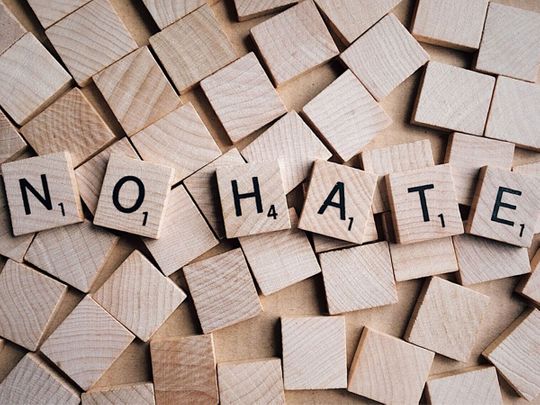
Hate crimes in Canada have seen a disturbing rise in recent years, leaving many communities across the country grappling with fear, uncertainty, and anger. While Canada has long prided itself on being a multicultural haven, the increasing prevalence of hate-motivated incidents suggests that deep-seated biases and racism remain unresolved. From swastikas painted on synagogue walls to acts of aggression against Black Canadians and Indigenous peoples, hate crimes are eroding the sense of safety and unity that Canada strives to uphold.
The landscape of hate in Canada is complex and multifaceted, spanning racial, religious, gender, and sexual orientation prejudices. Hate incidents have evolved, both in how they are carried out and how they are reported and understanding these trends is essential for confronting the issue. Conversations with individuals affected by hate-motivated actions reveal the personal toll such acts take, while experts and activists alike call for systemic change to address the root causes of these prejudices.
The Rise of Hate Crimes in Canada
Statistics Canada has reported an alarming increase in police-reported hate crimes. In 2020, the number of reported hate crimes rose by 37%, marking one of the most significant increases in the country’s recent history. Much of this rise has been attributed to anti-Asian racism amid the COVID-19 pandemic, as well as persistent acts of hatred against Black, Muslim, and Jewish communities.
These numbers, however, only tell part of the story. “A lot of hate crimes go unreported,” said Farah Malik, a social worker and advocate for racial justice in Toronto. “People don’t always feel safe going to the police, especially marginalized communities like Black and Indigenous Canadians. There’s this lingering fear that reporting a hate crime could result in further victimization.”
According to a 2022 report by the Canadian Race Relations Foundation (CRRF), many racialized individuals experience subtle and overt forms of discrimination on a regular basis, and the normalization of these behaviors contributes to underreporting. While the statistics are sobering, the true scale of hate crimes in Canada remains largely hidden.
Personal Stories: The Human Impact of Hate
For many Canadians, the reality of hate is far more personal than a statistic on a page. Akosua, a Black Canadian woman living in Montreal, shared her experience of being verbally attacked in public. “I was walking down the street when a man came up to me and started shouting racial slurs. He told me to ‘go back to Africa,’ and that I didn’t belong here. It was shocking, but it wasn’t the first time something like this had happened,” she recounted.
Akosua’s story is not unique. Black Canadians continue to face systemic racism, from daily microaggressions to overt acts of hate. “People think that Canada is different from the U.S. when it comes to race, but that’s not always true,” said Akosua. “Racism exists here too, it’s just more hidden.”
Indigenous peoples also experience a disproportionate share of hate crimes. “There’s a long history of racism against Indigenous peoples in this country, and it’s still happening today,” said Jonathan, an Indigenous activist from British Columbia. “From residential schools to missing and murdered Indigenous women and girls, the hate towards our people is deeply ingrained in the fabric of this country.”
Jonathan pointed to incidents such as the desecration of sacred Indigenous sites and the ongoing struggles with systemic racism in law enforcement and the justice system. “When people act out of hate, it’s not just about the immediate harm they cause—it’s about the centuries of colonial violence that continue to affect our communities.”
Hate in the Digital Age
The rise of social media has amplified the reach of hate groups and individuals who seek to spread bigotry and intolerance. Online platforms have become breeding grounds for hate speech, allowing individuals to hide behind anonymity and spread harmful ideologies. “The internet has given hate a new platform,” said Malik. “We see everything from far-right extremists organizing online to everyday people using racial slurs or making violent threats from the safety of their computer screens.”
In recent years, platforms like Facebook, Twitter, and YouTube have come under fire for not doing enough to curb hate speech. Although some steps have been taken—such as banning certain hate groups and removing harmful content—many argue that the efforts have been insufficient. “Social media companies need to be held accountable,” said Farah. “They profit from the engagement that hate generates, but they’re not doing enough to stop it.”
Government Response: Is It Enough?
The Canadian government has recognized the growing threat of hate crimes and introduced several initiatives aimed at addressing the issue. In 2021, the federal government launched a National Action Plan on Combatting Hate, which seeks to enhance the reporting of hate crimes, provide support to victims, and increase education about diversity and inclusion.
But critics argue that these efforts are insufficient. “The government needs to take a more proactive approach,” said Amira Elghawaby, a human rights advocate and the inaugural Special Representative on Combatting Islamophobia. “It’s not enough to react after a hate crime has been committed. We need to focus on prevention, which means addressing systemic racism, creating policies that protect marginalized communities, and holding those who commit hate crimes accountable.”
Jonathan echoed these sentiments, stressing the need for long-term solutions that address the root causes of hate. “We need more than just reactive measures. The government has to work with Indigenous leaders, Black communities, and other racialized groups to create policies that promote equity and justice.”
What Can Be Done?
The path forward in addressing hate in Canada requires collective action from the government, civil society, and individuals. Education is seen as one of the most powerful tools in the fight against hate. “We need to teach our children about racism, colonialism, and the impact of hate,” said Malik. “By educating young people, we can create a future where hate is less tolerated.”
Jonathan emphasized the importance of Indigenous-led education initiatives. “Our stories need to be told,” he said. “It’s time for Canada to recognize the truth about its colonial history and its ongoing impact on Indigenous peoples.”
Community support is another key element in combatting hate. Grassroots organizations across the country are working tirelessly to provide resources and support to those affected by hate crimes. “We need to show solidarity with each other,” said Akosua. “When hate happens, we need to stand together and support those who are targeted.”
Malik believes that hate can be dismantled through community organizing and advocacy. “We need to keep pushing for change,” she said. “Whether it’s through protests, petitions, or simply having conversations with our neighbours, we have to confront hate head-on.”
While Canada is often seen as a beacon of multiculturalism, the rise in hate crimes serves as a stark reminder that deep-seated prejudices still exist. The stories of those who have been targeted by hate reveal the personal toll that such acts take on individuals and communities. But the fight against hate is not a lost cause. Through education, government action, and community support, there is hope for a future where hate is no longer tolerated.
As Malik put it, “Hate may be loud right now, but love and justice can be louder.”
Follow Canada News Media
Get the day's top Canadian stories and our two daily 60-second news videos wherever you scroll.
X Threads Facebook Instagram LinkedIn TikTok YouTube Pinterest Reddit Substack Flipboard Newsletter RSS