

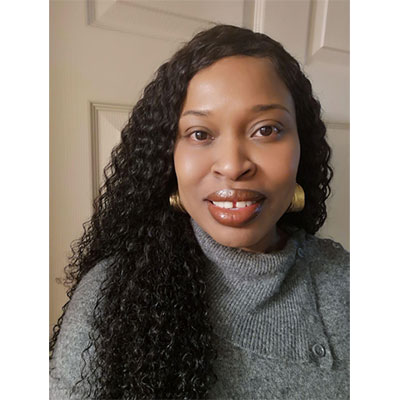
As we enter Black History Month in 2025, it is essential to recognize and celebrate individuals who have made a significant impact on the Black community in Canada. One such figure is Stephanie Bernard, a woman whose journey from Jamaica to Iqaluit, Nunavut, has been marked by advocacy, leadership, and a commitment to fostering community engagement. Bernard is the president and founder of the Nunavut Black History Society (NBHS), an organization that has become a beacon for Black culture, history, and political engagement in Canada’s northernmost regions.
Born and raised in Jamaica, Stephanie Bernard moved to Iqaluit, Nunavut, in 2013, seeking new opportunities and experiences. Adjusting to life in Nunavut—a predominantly Indigenous region—was challenging, yet it presented Bernard with an opportunity to connect with both her heritage and her new community. “Coming to Iqaluit was a culture shock in many ways,” Bernard recalls. “But at the same time, it opened my eyes to the importance of community-building and understanding each other’s stories.”
Bernard quickly noticed a lack of representation and recognition for Black Canadians in the area, especially in relation to Black history and culture. This realization fueled her passion for founding the Nunavut Black History Society in 2019, with the aim of educating the public about the rich history of Black Canadians, their contributions to Canadian society, and the need for increased social and political engagement.
The Nunavut Black History Society (NBHS) was created as a platform to celebrate Black culture, history, and art in one of Canada’s most remote regions. Since its inception, the NBHS has organized events and programming every February in honour of Black History Month. These events have included art exhibitions, historical presentations, music performances, and community discussions aimed at raising awareness about the Black experience in Canada, particularly in regions where Black Canadians are a minority.
“The NBHS is about more than just Black history; it’s about creating a space where Black people in Nunavut can feel seen, heard, and celebrated,” says Bernard. “We want to foster understanding and appreciation of our culture, while also promoting conversations about the issues we face today, such as systemic racism, social inequities, and access to opportunities.”
In 2020, the Nunavut Black History Society expanded its mandate to include a focus on political and social engagement. Bernard recognized that celebrating Black history alone was not enough—there was a need for active involvement in advocating for systemic change. The organization’s efforts have since included political lobbying, community activism, and educational initiatives that address issues such as racial discrimination, social inequities, and the need for more diverse representation in leadership roles.
“Our society has made great strides in raising awareness about Black culture, but there is still a lot of work to be done when it comes to addressing systemic barriers that Black Canadians face,” Bernard explains. “We want to empower people to not only celebrate our history but also take action to create a more equitable and just society.”
One of the most notable achievements of the NBHS has been its collaboration with local Indigenous communities to foster cross-cultural understanding and solidarity. Bernard believes that the shared experiences of marginalization faced by both Black and Indigenous peoples in Canada create opportunities for meaningful dialogue and collective action. “We are stronger together,” she says. “By working with Indigenous communities, we can amplify our voices and advocate for the rights and recognition that both of our communities deserve.”
Stephanie Bernard’s dedication to creating a more inclusive and equitable society has not gone unnoticed. In 2020, she received the Iqaluit Community Development Award for her advocacy work and her efforts to promote social justice and equity in the region. This recognition has only strengthened her resolve to continue her work, both through the NBHS and in other areas of community development.
“Receiving the Iqaluit Community Development Award was a huge honour,” Bernard reflects. “But it also serves as a reminder that there is so much more to be done. I hope that my work can inspire others to get involved and take action, whether it’s by joining local organizations, participating in community events, or simply having conversations about the issues we face.”
As we celebrate Black History Month in 2025, the work of Stephanie Bernard and the Nunavut Black History Society reminds us of the importance of grassroots activism and community-building in the fight for racial equity. The NBHS continues to organize events and programming that highlight the contributions of Black Canadians, while also pushing for systemic change through political and social engagement.
This year’s Black History Month programming includes a series of virtual events that will be accessible to communities across Canada, allowing more people to engage with the history and culture of Black Canadians in Nunavut and beyond. These events will feature keynote speakers, panel discussions, and performances that celebrate Black art and culture while also addressing the ongoing challenges that Black Canadians face.
“We want Black History Month 2025 to be a time for reflection, celebration, and action,” Bernard says. “It’s important to honour the achievements of Black Canadians, but it’s equally important to recognize the work that still needs to be done. We need to continue advocating for social justice, equity, and inclusion—not just during Black History Month, but every day of the year.”
Looking ahead, Bernard envisions a future where Black Canadians are not only celebrated for their contributions to society but are also given equal opportunities to thrive. She believes that advocacy work, like that of the NBHS, is crucial to making this vision a reality.
“My hope is that we can create a society where Black Canadians—no matter where they live—feel empowered, respected, and valued,” Bernard says. “That means continuing to push for systemic change, advocating for policies that address racial inequities, and creating spaces where Black voices can be heard.”
As we move forward in 2025, the work of individuals like Stephanie Bernard serves as a powerful reminder of the importance of community leadership and grassroots advocacy in the fight for racial equity in Canada. Through the efforts of the Nunavut Black History Society and other organizations across the country, Black Canadians continue to push for a more just and equitable society—one where their history is celebrated, their voices are heard, and their contributions are recognized.
Quotes from People:
- A local activist in Iqaluit: “What Stephanie Bernard has done with the NBHS is truly remarkable. She’s created a space for Black Canadians in Nunavut that didn’t exist before, and she’s helped to foster a greater understanding between our communities.”
- A Black Canadian artist who participated in NBHS events: “The events organized by the NBHS have been so meaningful to me. It’s not just about celebrating Black history; it’s about connecting with others who share similar experiences and advocating for real change.”
- An Indigenous leader in Nunavut: “The solidarity between our communities is so important. By working together, we can address the systemic barriers that both Black and Indigenous people face in Canada. Stephanie’s work with the NBHS has been instrumental in building those bridges.”
- A community member in Iqaluit: “Stephanie is such an inspiration. She’s shown that one person can make a difference in their community, and her work with the NBHS has had a ripple effect throughout Nunavut.”
- President of the NBHS: “We’re not just celebrating Black history; we’re building a movement. We want to create lasting change, and that starts with empowering our communities to speak up and take action.”
Through the work of Stephanie Bernard and the Nunavut Black History Society, Black Canadians in Iqaluit and beyond are creating a future where their history is celebrated, their voices are heard, and their communities are empowered to make change.