



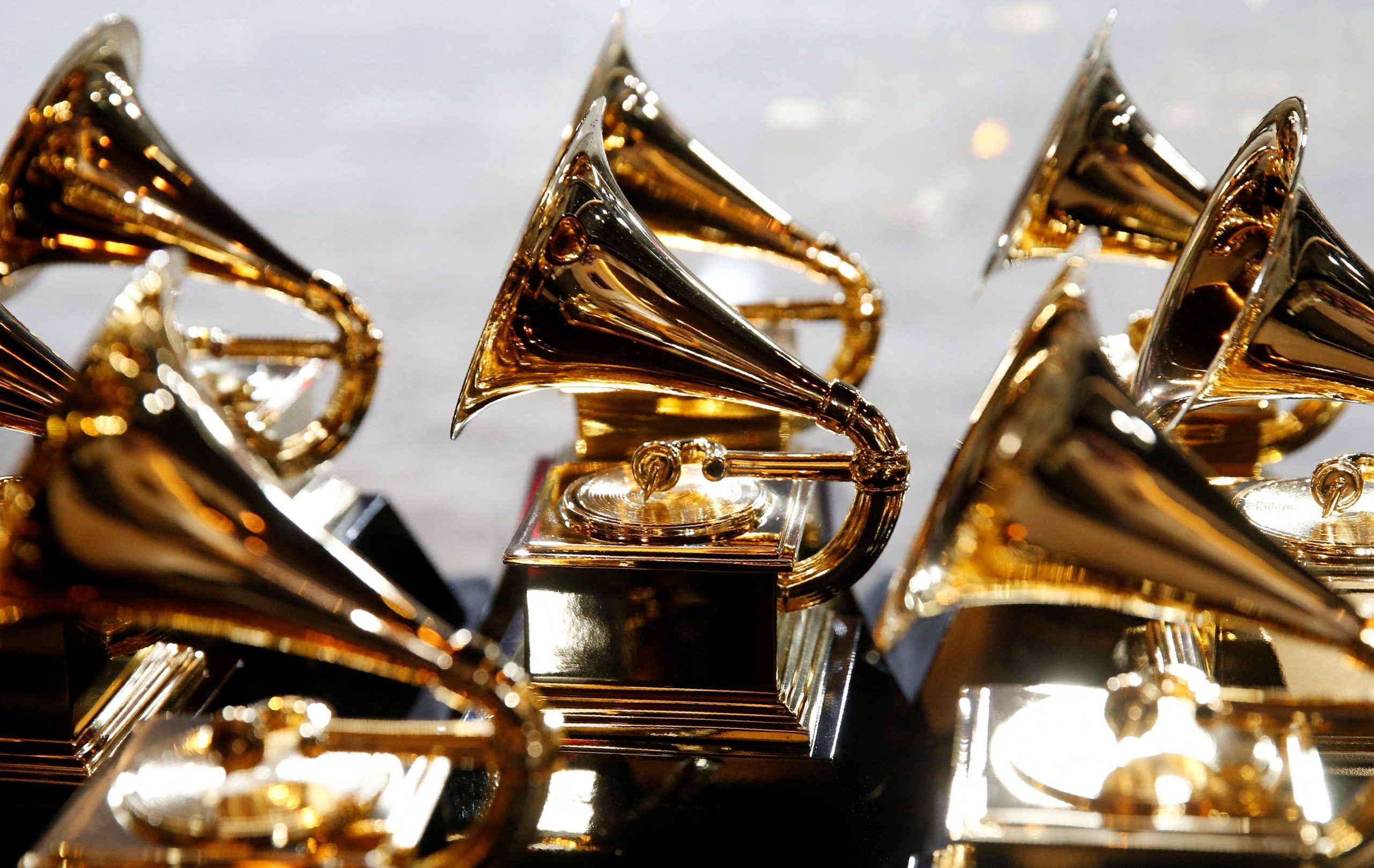
The Recording Academy dropped the nominations for the 68th Annual GRAMMY® Awards on November 7, 2025, and this year’s list reads like a snapshot of a music industry in flux — hip-hop and Latin urban music headline a packed slate, veteran superstars and rising new voices collide in major categories, and Canadian artists are firmly represented among the contenders. The ceremony will take place on February 1, 2026, at Crypto.com Arena in Los Angeles.
Below we break down the biggest nominees, the surprising exclusions, the categories to watch, the Canadian angle for music fans at home, and what these nominations tell us about where music is headed.
Quick headlines you can’t miss
-
Kendrick Lamar leads the nominations with a commanding nine nods — the single biggest haul this year.
-
Lady Gaga follows closely, earning multiple major-category nominations (including Album of the Year for MAYHEM).
-
Bad Bunny, Sabrina Carpenter, Leon Thomas and Justin Bieber are among the Album of the Year nominees — a lineup that spans reggaetón/Latin urban, pop, singer-songwriter, and hip-hop.
-
Canadian artists are visible and competitive this cycle: Justin Bieber, Tate McRae, Kaytranada and others picked up nominations in major and genre categories.
-
The heavyweight races — General Field highlights
Album of the Year
This year’s Album of the Year list blends global superstars with critically lauded projects and strong independent voices. Leading nominees include:
-
Kendrick Lamar — GNX (multiple major nominations across rap and general categories)
-
Lady Gaga — MAYHEM
-
Bad Bunny — Debí Tirar Más Fotos
-
Justin Bieber — Swag
-
Sabrina Carpenter — Man’s Best Friend
-
Leon Thomas — Mutt
(Full official list available in the Recording Academy’s final nominations PDF.)
Why this matters: Album of the Year has always been a cultural bellwether. The 2026 nominees show the Academy is recognizing global streams and crossover culture (Bad Bunny), powerhouse songwriting and production (Kendrick, Gaga), and commercially dominant pop (Carpenter, Bieber). The variety of genres here also underlines how genre lines are blurring for voters and listeners alike.
Record of the Year & Song of the Year
The Record and Song of the Year categories — one rewarding the performance/production, the other the songwriting — feature several tracks that dominated streaming and radio:
-
Notable Record of the Year nominees include Bad Bunny — “DtMF”, Sabrina Carpenter — “Manchild”, Billie Eilish — “Wildflower”, Doechii — “Anxiety”, and Kendrick Lamar feat. SZA — “luther”.
Expect debate: voters will weigh cultural impact versus songwriting craftsmanship. Tracks like Kendrick’s and Bad Bunny’s combine both — which is why they show up across categories.
Best New Artist
This year’s Best New Artist ballot includes a mix of breakout indie artists, viral stars, and international newcomers. The Recording Academy’s list spans artists who’ve built momentum through streaming, touring, and notable collaborations — proof that the “new artist” path is multifaceted in 2025. (See the Academy’s full nominations list for the exact roster.)
A closer look at hip-hop’s moment
Kendrick Lamar’s nine nominations make the larger story clear: hip-hop continues to shape the Grammys’ center of gravity. Kendrick’s GNX and associated singles are up for major categories, while producers and collaborators tied to hip-hop projects are also well represented in production and engineering fields. The nominations reflect continued respect for lyrical complexity and ambitious album storytelling in rap, and the Academy’s recognition of hip-hop as a dominant cultural force.
Beyond Kendrick, artists like Tyler, the Creator, Clipse, Pusha T, and others appear across rap and general categories — signaling a strong year for rap albums and singles that transcend genre silos.
Where pop, electronic, rock and alternative landed
-
Pop: Sabrina Carpenter, Billie Eilish, and Justin Bieber captured nominations in pop performance and album categories, reflecting strong commercial and critical traction.
-
Electronic: Producers and acts like Skrillex and collaborators show up in dance/electronic categories and production nominations, indicating a healthy appreciation for studio craft in electronic music.
-
Rock & Alternative: Bands and alternative artists such as Deftones and Bon Iver were highlighted in genre-specific categories — a reminder that guitar-driven and experimental music still command serious industry respect.
New or retooled categories and rules
The Recording Academy made a few updates this year — including the introduction of some new subcategories and refinements intended to better represent contemporary musical practice (for example, special attention to packaging/visual categories and the preservation of traditional genres). These changes are part of a multi-year process to modernize the awards and ensure categories reflect actual creative practice across the globe. For specifics on new categories and procedural changes, see the Academy’s announcement and the official nominations release.
Notable snubs and ineligibilities
One recurring conversation after the nominations dropped centered on Taylor Swift and other megastars who were absent from certain categories. In several cases, names were not present because their releases fell outside the Grammys’ eligibility window (Aug. 31, 2024 — Aug. 30, 2025) or because of strategic release dates and eligibility rules. Media outlets have published explainers on why certain expected names were missing from this year’s list.
The Canadian angle — what matters to CanadaNewsMedia readers
If you want to watch the northern talent on the GRAMMY radar, this year’s nominations include several homegrown names who scored major nods:
-
Justin Bieber: A multi-nominee this year, Bieber’s Swag earned Album of the Year consideration along with other nominations (pop vocal album and performance categories). If Bieber converts a nomination into a win, it will be a notable moment in his career resurgence.
-
Tate McRae: The Calgary-born singer/dancer landed nominations in dance/pop production categories — another sign of how Canadian pop exports remain globally relevant.
-
Kaytranada: The Montreal producer/DJ has long been a respected Grammy presence — nominations this year continue Canada’s reputation for producing world-class beatmakers and electronic producers.
Canada’s presence across both general and genre fields is meaningful: it underscores the country’s ongoing cultural exports and how Canadian artists have successfully navigated streaming, global collaborations, and large touring circuits to earn international recognition.
Production, engineering and songwriting — where the industry nerds live
Grammy voters pay close attention to the behind-the-scenes crafts. This year, top producers such as Cirkut and Jack Antonoff scored multiple nominations, and the Producer of the Year shortlist features a mix of veteran and emerging studio talents. Engineering and mixing credits tied to blockbuster albums and sonically adventurous projects also show up across ballots — a reminder that studio innovation remains a key criterion for recognition.
For music-industry readers: watch the producers’ and engineers’ races closely — they often foreshadow which albums the Academy truly respects on a technical and artistic level.
Biggest cultural takeaways from this nominations cycle
-
Hip-hop’s centrality is undeniable. With Kendrick Lamar leading the pack and multiple rap projects in general-field categories, rap is not just a genre category — it’s a core part of the Academy’s conversation.
-
Global and Latin music continue to break through. Bad Bunny’s multiple nominations reflect how Latin urban music has become a Grammy mainstay and mainstream cultural force.
-
Genre fluidity is the norm. Artists who defy strict categorization (mixing pop, electronic, R&B, rap) are strongly represented — mirroring listening habits driven by playlists and streaming.
-
Canada remains a serious talent pipeline. From superstar veterans to producers and breakout pop acts, Canadian artists’ nominations show the country’s deep musical footprint.
Reaction: What critics and audiences are saying
News outlets and music critics reacted to both the big nods (Kendrick’s dominance, Gaga’s resurgence) and the absences (some mega-artists left out due to eligibility timing). Press coverage emphasized the Grammys’ effort to balance commercial winners with critically lauded projects, and many pundits noted that the general-field categories felt more eclectic than in some recent years. For immediate reporting and rolling coverage, see the Recording Academy’s announcements and major outlets (Reuters, AP, People, Pitchfork) for nominee breakdowns and initial commentary.
What to watch between now and the show
-
Final voting window: The Recording Academy typically opens the final voting period in December and closes in early January — check the Recording Academy’s site for exact dates and processes for voting and ballots (this year’s schedule was published alongside the nominations).
-
Pre-show Grammy Premiere Ceremony: Many genre, technical, and field-specific awards are presented ahead of the main telecast; winners from those categories sometimes hint at broader trends and can shape momentum.
-
Potential performances and special tributes: With artists like Kendrick and Gaga nominated in major categories, expect marquee performances and high-profile collaborations on the Feb. 1 telecast.
Final thoughts — why this year matters
The 2026 nominations feel like a referendum on musical breadth: the Academy is recognizing voices from the streets of Compton to Puerto Rico to Toronto, while also honoring intricate production and songwriting. For Canadian readers, the nominations are a clear reminder that our artists aren’t just participating in global culture — they’re shaping it.
If you care about representation, cultural crossover, and where industry respect is moving next — the 68th GRAMMYs is a year to watch. Tune in on February 1, 2026, and keep an eye on the Recording Academy’s announcements as the voting period closes and the telecast approaches.
Sources & further reading
-
Recording Academy — Final Nominations List (official PDF).
-
Recording Academy — news pages for category-by-category nomination announcements (Record of the Year, Producer of the Year, etc.).
-
Reuters — coverage of the nominations and Kendrick Lamar’s nine nods.
-
AP News — summary and context on nominations and major nominees.
-
People / Entertainment coverage — full list and analysis.
-
Billboard Canada — roundup of Canadian artists who earned nominations in 2026.
If you’d like, I can:
-
Produce a Canada-focused short version of this story for the homepage (75–150 words) with a punchy headline; or
-
Create a social carousel (4 slides) highlighting the top nominees and the Canadian contenders for sharing on X/Instagram; or
-
Pull the full official nomination PDF into a readable newsletter section with linked timestamps for each category (useful for your editorial team).
Which of those would help CanadaNewsMedia most right now?
-
Follow Canada News Media
Get the day's top Canadian stories and our two daily 60-second news videos wherever you scroll.
X Threads Facebook Instagram LinkedIn TikTok YouTube Pinterest Reddit Substack Flipboard Newsletter RSS