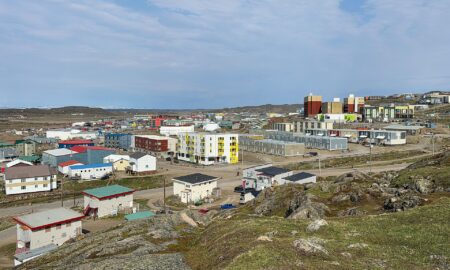






As Canada embarks on 2023, the economic landscape is undergoing significant transformations, particularly in the North. The interplay of natural resources, geopolitical dynamics, and climate change has created a unique set of challenges and opportunities for this vast region. Understanding these trends is essential for policymakers, businesses, and citizens alike as they navigate an evolving economic terrain.
Resource Extraction: The Backbone of Northern Economies
The extraction of natural resources remains foundational to the economies of Northern Canada. The mining and energy sectors are not only integral to the livelihoods of many Indigenous communities but also provide substantial revenue for provincial and federal governments. In recent years, there has been an uptick in demand for minerals crucial to technology and renewable energy transitions, such as lithium, cobalt, and gold.
According to the Canadian Mining Association, the global shift towards electric vehicles (EVs) has spurred investment in lithium mining, particularly in regions like Quebec and Ontario. Companies are now racing to establish supply chains that are both sustainable and economically viable. This demand has also triggered discussions about environmental stewardship and Indigenous rights, prompting a new era of partnerships aimed at equitable resource management.
Climate Change: The Double-Edged Sword
Conversely, climate change poses a significant threat to the Northern economies that rely heavily on resource extraction. The melting permafrost, unpredictable weather patterns, and increasingly frequent extreme weather events disrupt traditional ways of life, affecting everything from transportation to harvesting practices.
In a 2022 report by the Northern Climate Network, researchers underscored that Indigenous communities are among the most affected. Traditional food sources are diminishing, while infrastructure vulnerabilities are becoming ever more apparent. As a result, community leaders are advocating for better climate resilience strategies and sustainable development practices that prioritize both economic growth and environmental protection.
Geopolitical Tensions and Trade Dynamics
The geopolitical landscape is rapidly evolving, particularly given tensions between global superpowers. Canada’s North is increasingly viewed as a strategic asset in the context of Arctic geopolitics. With melting ice opening new shipping routes and the potential for untapped resources, countries such as Russia, the United States, and China are eyeing opportunities in the region.
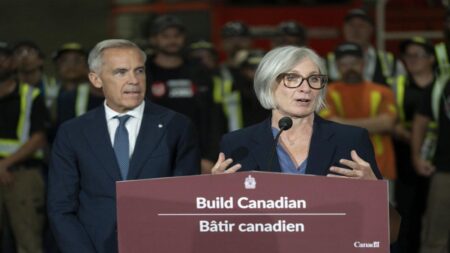
The Canadian Defence and Foreign Affairs Institute reports that this has spurred investments in new infrastructure to bolster sovereignty and facilitate trade. Prime Minister Justin Trudeau’s government has pledged increased funding for Arctic security, aiming to safeguard Canadian interests while promoting sustainable development and collaboration with Indigenous communities.
Tourism: A Growth Sector Redefined
Amidst these challenges, the tourism sector is witnessing a renaissance, although it is evolving in the wake of the COVID-19 pandemic. Operators in the North are pivoting towards sustainable tourism models that emphasize local culture, conservation, and experiential learning.
Northern territories have long been renowned for their breathtaking landscapes and rich Indigenous cultures. With increasing global awareness of climate change and sustainability, there is a growing market for eco-tourism. The Canadian Northern Economic Development Agency has highlighted this trend, reporting that eco-conscious travelers are seeking experiences that have a minimal environmental impact while providing authentic engagement with local communities.
Investing in Innovation and Infrastructure
To bolster these economic shifts, investment in infrastructure is imperative. Aging roads, limited access to clean water, and insufficient digital connectivity can stifle growth. The federal government has initiated several programs aimed at improving transportation networks and enhancing broadband access in Northern communities.
In 2023, the government set aside $300 million for infrastructure projects in remote areas, emphasizing collaboration with Indigenous groups. This investment is not about merely repairing old systems; it represents a vision for sustainable, integrated infrastructure capable of withstanding the test of time and promoting economic diversification.
Conclusion: A Call for Inclusive Growth
As Canada navigates its economic future in 2023, the Northern regions stand at a crossroads. The emphasis must be on inclusive growth that prioritizes the well-being of Indigenous peoples and the environment alongside economic development. By harnessing natural resources responsibly, mitigating the effects of climate change, and adapting to geopolitical shifts, Canada can create a resilient economy that benefits all its citizens.
The road ahead may be fraught with challenges, but the North’s diverse opportunities offer a pathway to a sustainable, inclusive, and prosperous future.
Related Products
Follow Canada News Media
Get the day's top Canadian stories and our two daily 60-second news videos wherever you scroll.
X Threads Facebook Instagram LinkedIn TikTok YouTube Pinterest Reddit Substack Flipboard Newsletter RSS