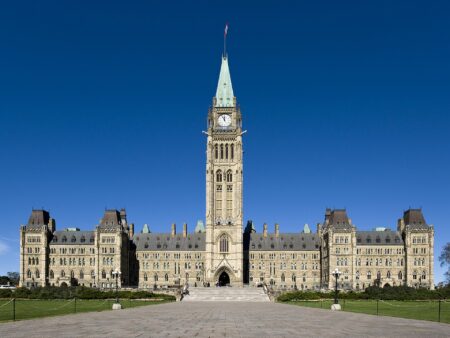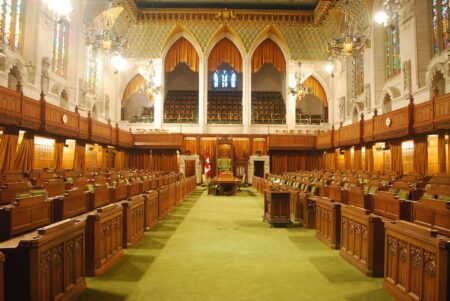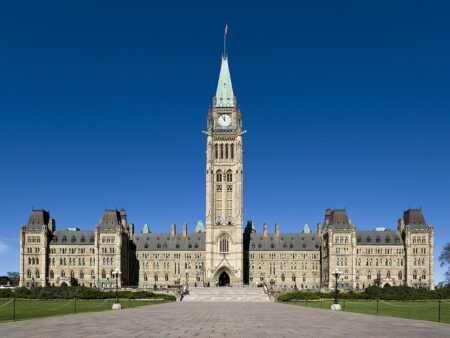



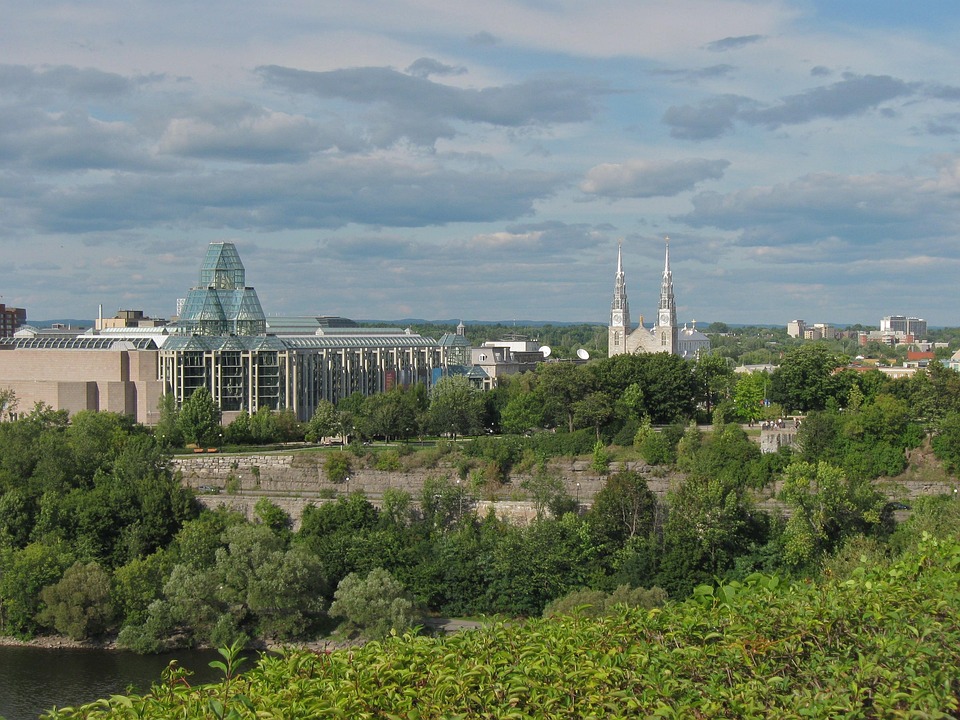
As Canada’s Parliament reconvenes for its latest session, an urgent sense of duty and expectation pervades the halls of power. With a mix of hope and apprehension, legislators grapple with pivotal issues that will not only shape Canadian society today but will also define its trajectory for generations. This article explores key debates currently underway in Ottawa, touching on topics from climate change to economic policy and Indigenous rights.
Climate Change Action: Navigating the Path Forward
The looming threat of climate change has become a central issue for the 2023 session. The government’s commitment to achieving net-zero emissions by 2050 has sparked heated debates. Members across party lines are questioning the feasibility of the government’s approach, with critics arguing that the current strategies may fall short of the ambitious targets.
“We have a finite amount of time to reverse course,” said Conservative MP Erin O’Toole, emphasizing the urgency of a more aggressive policy framework. Meanwhile, Progressive Conservative representatives have put forward potential enhancements to federal regulations, suggesting that individual provinces might take the lead—albeit with assistance from federal resources.
The debate intensified as environmental groups have begun to rally public support, drawing attention to the necessity of sustainable economic models. These groups have launched campaigns aimed at pressuring undecided MPs, reminding them of their constituents’ calls for more robust climate actions.
Health Care Reforms: Accessibility and Funding
At the heart of the health care debate is a pressing question: How can Canada ensure equitable health care in the face of an aging population and rising costs? Medical professionals and advocacy groups have intensified their lobby efforts to improve the accessibility of health services, pushing Parliament to increase funding for universal health care.
“We need a health care system that serves everyone,” stated NDP Leader Jagmeet Singh, who is advocating for reforms aimed at reducing wait times and increasing mental health services. The NDP’s proposal aims to create a more comprehensive framework that addresses both physical and mental health needs equitably.
The government countered this with a proposal to modernize existing systems, emphasizing the benefits of digital health technology. However, critics caution that these efforts risk prioritizing technology over the compassionate care that is a hallmark of Canada’s health care system.
Indigenous Rights: Steps Toward Reconciliation
Another prominent theme this session is the ongoing dialogue surrounding Indigenous rights and the reconciliation process. A landmark report released earlier this year highlighted the injustices faced by Indigenous communities, sparking calls for action on several critical frontiers, including land rights and health disparities.
“We cannot talk about Canada’s future without addressing the past,” stated Liberal MP Marc Miller. Discussions are expected to center on the government’s commitment to the Truth and Reconciliation Commission’s 94 Calls to Action, as legislators debate the pathway to implementing meaningful change.
Opposition parties are seeking assurances that progress isn’t merely symbolic. The Bloc Québécois has emphasized the necessity for direct consultations with Indigenous leaders to ensure policies reflect the needs and desires of these communities. As Parliament engages in discussions and negotiations, many Indigenous leaders remain cautiously optimistic about the future.
Economic Recovery: Inflation and Cost of Living
The economic landscape continues to be a critical focus, especially as Canadians face heightened inflation rates and rising living costs. The government’s fiscal policies—spurred by the challenges of the pandemic—are drawing scrutiny across party lines.
“We need a sustainable economic strategy that doesn’t just react to crises but proactively builds the future,” stated Green Party Leader Annamie Paul, advocating for green initiatives as a pathway to job creation.
Opposition parties are calling for immediate measures to alleviate the financial strain on households, urging the government to look into direct assistance programs and tax relief. While some MPs stress the importance of fiscal responsibility, others argue that bold, immediate action is necessary to restore economic stability.
Conclusion: The Future of Canadian Democracy?
As sessions unfold and debates evolve, the current state of Parliament reflects more than just political discourse; it embodies the aspirations and challenges faced by diverse Canadian communities. Legislators are not only seeking to pass bills but are also navigating a landscape characterized by heightened social awareness and public advocacy. With each debate, Canada inches closer to a collective vision for the future.
In these times of upheaval, Canadian citizens remain watchful, eager to hold their representatives accountable. As decisions are made in the hallowed halls of Parliament, the implications of these discussions will resonate far beyond the immediate future, ultimately influencing the fabric of Canadian society.
Related Products
Follow Canada News Media
Get the day's top Canadian stories and our two daily 60-second news videos wherever you scroll.
X Threads Facebook Instagram LinkedIn TikTok YouTube Pinterest Reddit Substack Flipboard Newsletter RSS