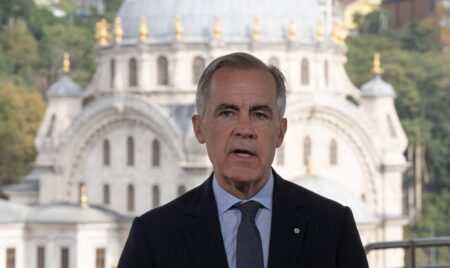






In recent years, Canada has faced significant economic challenges, marked by inflationary pressures, shifting global markets, and the lingering effects of the COVID-19 pandemic. As the country stands at a crossroads, the Bank of Canada and policymakers are grappling with the monumental task of crafting a monetary policy that fosters growth while containing inflation. With experts weighing in on the path forward, the future of Canada’s monetary policy remains uncertain yet critical.
The Current Economic Landscape
As of 2023, Canada has experienced a sharp rebound in economic activity following the pandemic-related downturn. According to Statistics Canada, the country recorded a GDP growth rate of 3.5% in 2022. However, this robust recovery has also led to soaring inflation rates, which reached a peak of 8.1% in June 2022, the highest level in over four decades.
The inflationary spiral has been driven by multiple factors, including supply chain disruptions, labor shortages, and a surge in consumer demand as lockdowns eased. These economic pressures have left the Bank of Canada with the formidable challenge of balancing growth with price stability, prompting the central bank to raise interest rates multiple times in the past year.
Monetary Policy Measures in Play
In a bid to tame inflation, the Bank of Canada began a series of interest rate hikes in March 2022, culminating in an increase to 4.5% by early 2023. This aggressive stance marks a departure from the ultra-low interest rates that characterized the early days of the pandemic. The aim is to cool consumer spending and borrowing, which have been contributing to inflation.
However, these measures come with their own set of challenges. Higher interest rates can curb inflation but also risk dampening economic growth. Bank of Canada Governor Tiff Macklem emphasized the need for a “delicate balance”, stating, “We are focused on achieving stability while recognizing the risks that exist for both inflation and economic growth.”
The Impact on Canadians
The effects of the rate hikes are palpable for everyday Canadians. Mortgage rates have surged, leading to increased housing costs, and the average Canadian is paying significantly more for loans and credit. Many Canadians are now re-evaluating their financial priorities in light of rising costs.
“The burden of increased rates can be overwhelming, especially for first-time homebuyers and those who were on the brink of making significant financial commitments,” says Diane Ainsworth, a financial advisor based in Toronto. “People are thinking twice before making major purchases, which in turn affects overall economic activity.”
Expert Opinions
Experts in monetary policy offer mixed perspectives on the efficacy of the Bank of Canada’s approach. Dr. Simon Cross, an economist at the University of British Columbia, argues that while rate hikes are necessary, they may not fully address underlying inflationary pressures. “What we are seeing is not just demand-driven inflation; it is also about ongoing supply chain issues. Therefore, a one-size-fits-all monetary policy may not solve the problem.”
Conversely, Dr. Livia Karlsen, a policy analyst at the Canadian Institute for Economic Policy, believes the current measures are essential to re-establishing confidence in Canadian economic stability. “The Bank of Canada is navigating treacherous waters, but decisive action is crucial to preserve long-term economic health,” she states.
Future Considerations
Looking ahead, the Bank of Canada will need to remain vigilant. Higher interest rates may drive inflation down, but they could also lead to a slowdown in economic growth. Many economists predict that Canada may enter a mild recession by late 2023 or early 2024 if the current trajectory continues.
One possible solution would be for the Bank of Canada to adopt a more nuanced approach that includes monetary policy tools beyond interest rate adjustments, such as quantitative easing or targeted support for struggling sectors of the economy. The ongoing geopolitical tensions, particularly in Europe and Asia, and their potential impact on energy prices and trade could complicate matters further.
Public Sentiment and the Path Forward
Public confidence in the economy will play a pivotal role in shaping the future of Canada’s monetary policy. Surveys conducted by the Angus Reid Institute reveal that a significant portion of Canadians feels anxious about their financial futures. Many are concerned about job security, rising costs, and the impact of interest rates on their day-to-day lives.
The Bank of Canada must not only focus on economic indicators but also consider public sentiment as a crucial element in the decision-making process. Transparency and communication will be essential in managing expectations and building trust among Canadians.
Conclusion
Navigating economic uncertainty is never easy, and for Canada, the future of monetary policy will require adaptability and foresight. As the Bank of Canada continues to assess the impacts of its policy measures, it must remain committed to both stabilizing the economy and supporting Canadian households through challenging times. A careful, measured approach that incorporates diverse insights and adapts to changing conditions will be paramount in ensuring a stable economic future for all Canadians.
Related Products
Follow Canada News Media
Get the day's top Canadian stories and our two daily 60-second news videos wherever you scroll.
X Threads Facebook Instagram LinkedIn TikTok YouTube Pinterest Reddit Substack Flipboard Newsletter RSS