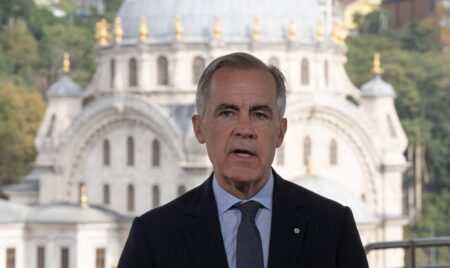






In the wake of the COVID-19 pandemic, Canada has witnessed unprecedented economic shifts that have sent inflation rates soaring to heights not seen in decades. As of mid-2023, inflation in Canada stood at around 7.6%, driven by various factors, including supply chain disruptions, labor market pressures, and rising energy costs. With price increases affecting everything from groceries to housing, Canadians are feeling the pinch, prompting the Bank of Canada to reevaluate its monetary policies. This article delves into the intricacies of inflation trends and the strategies employed by the central bank in the face of a challenging economic outlook.
The Inflation Surge: Causes and Consequences
Inflation can be attributed to several interlinked causes. The initial shock of the pandemic disrupted global supply chains, leading to shortages and, consequently, price increases. According to the Canadian Federation of Independent Business, 56% of small businesses in Canada reported supply chain delays as a significant bottleneck by early 2023.
Moreover, the pent-up consumer demand following months of restrictions contributed to inflationary trends. As restrictions eased, Canadians resumed spending, intensifying demand for goods and services. Coupled with increased energy prices—driven by geopolitical tensions and a shift towards renewables—the result has been a relentless surge in prices, prompting concerns about affordability and economic stability.
Bank of Canada: A Balancing Act
In response to soaring inflation, the Bank of Canada (BoC) has embarked on a path of monetary tightening. Since March 2022, the BoC has raised the benchmark interest rate multiple times, reaching 5.0% by mid-2023. This is a stark contrast to the historically low rates during the pandemic, which aimed to stimulate spending and investment. The central bank’s mandate, primarily focused on achieving a low and stable inflation rate of 2%, now hangs in a precarious balance.
The BoC’s approach is not without controversy. Some economists argue that aggressive interest rate hikes could further slow economic growth, pushing the nation into a recession. According to Derek Holt, Vice President of Scotiabank Economics, “The risk is that we choke off growth and employment while trying to stamp out inflation.” With economic growth already slowing to around 1.5% annually, these concerns are validated as businesses face rising borrowing costs and consumers curtail spending.
Public Sentiment and Economic Realities
The Canadian public is acutely aware of the effects of inflation, leading to growing discontent. A recent survey by Angus Reid Institute revealed that 78% of Canadians are worried about rising prices, with many altering their shopping habits and lifestyle choices. Food banks have reported increased demand, while a rising number of households are forgoing essential purchases.
“We have seen a shift in consumer attitudes,” explains Laura Jones, executive vice-president of the Canadian Federation of Independent Business. “People are prioritizing essentials over discretionary spending, which, in turn, impacts the overall economy.” As inflation persists, the divide between essential and non-essential spending continues to widen, creating a complex economic landscape.
Comparative Global Context
Canada’s inflation woes are not unique. Many countries, particularly in developed economies, have experienced similar inflationary pressures. The United States, for instance, faced inflation rates above 9% in mid-2022, prompting the Federal Reserve to implement aggressive interest rate hikes. However, differences in policy responses and economic recoveries have emerged.
While the BoC has sought to take a proactive approach to control inflation, some central banks have adopted a more cautious stance, weighing the risks of recession against inflation. Analysts suggest that Canada’s relative economic resilience—supported by strong job growth and a robust banking sector—provides a buffer against more severe downturns. A report from the International Monetary Fund (IMF) suggests that Canada could stabilize its inflation within the 4-5% range by the latter half of 2024.
Future Outlook: Navigating the Unknown
As we look toward the future, the question remains: when will inflation stabilize? Predictions vary, with economists suggesting that several factors will influence the timeline. The ongoing conflict in Ukraine and its impact on energy prices, potential disruptions in global trade, and movements in the labor market all present uncertainties.
Moreover, the BoC continues to communicate openly with the public, emphasizing a data-driven approach to monetary policy. “Our commitment is to bring inflation back to target, but we will do so without compromising the strength of the economy,” states Tiff Macklem, Governor of the Bank of Canada.
Conclusion
The evolving landscape of Canada’s economy paints a picture filled with challenges and opportunities. As inflation continues to pose significant risks, the Bank of Canada must navigate the complexities of monetary policy with prudence, balancing the need for stability with the potential consequences of aggressive financial measures. For Canadians, the hope is that the coming months will bring clarity and relief, allowing for a return to more manageable living costs and sustained economic growth.
In the face of adversity, the resilience of both Canadians and their institutions will be tested. The ongoing dialogue between policy-makers, economists, and the public is crucial in shaping a sustainable economic future.
Related Products
Follow Canada News Media
Get the day's top Canadian stories and our two daily 60-second news videos wherever you scroll.
X Threads Facebook Instagram LinkedIn TikTok YouTube Pinterest Reddit Substack Flipboard Newsletter RSS