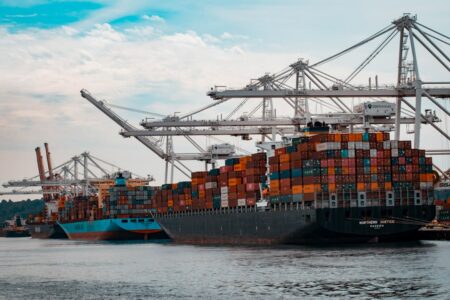



Canada’s diverse manufacturing landscape stretches across its ten provinces and three territories, showcasing regional strengths fueled by local resources, economies, and innovation. The country’s manufacturing sector plays a pivotal role in its economy, contributing significantly to GDP and employment. As we journey from the Atlantic provinces to the Pacific coast, we explore the unique characteristics of Canada’s manufacturing hubs.
The Atlantic Provinces: A Blend of Tradition and Modernity
The Atlantic provinces—Newfoundland and Labrador, Nova Scotia, New Brunswick, and Prince Edward Island—have a rich manufacturing history that is heavily influenced by their location and resources. Historically reliant on fishing, forestry, and agriculture, the region is increasingly shifting towards advanced manufacturing.
Nova Scotia, in particular, has established itself as a leader in aerospace and defense manufacturing. The Halifax Stanfield International Airport is a hub for various aviation companies, including IMP Aerospace, which provides support for military and civilian aircraft. The province’s focus on education and workforce training programs, especially in technical fields, has created a skilled labor pool that attracts manufacturers.
Quebec: The Heart of Innovation
Quebec is often regarded as the heart of Canada’s manufacturing sector, home to a diverse range of industries, including aerospace, electronics, and pharmaceuticals. Cities like Montreal and Quebec City are renowned for their innovative spirit, driving research and development through various institutions and universities.
Industry leaders such as Bombardier and CAE are headquartered here, contributing to the province’s robust aerospace sector. In addition to traditional manufacturing, Quebec is a pioneer in the development of green technologies and renewable energy. Companies are increasingly investing in sustainable manufacturing processes, aiming to reduce their carbon footprint while boosting efficiency.
Ontario: The Industrial Backbone
Ontario, the most populous province in Canada, is the country’s manufacturing powerhouse, accounting for nearly half of national output. The Greater Toronto Area (GTA) serves as a central hub for automotive manufacturing, with major players like Ford, General Motors, and Toyota establishing extensive operations.
The province is not just about automobiles; it also houses significant machinery, food processing, and chemical production industries. The Ontario Manufacturing Competitiveness Strategy, introduced by the provincial government, aims to improve productivity and support innovation through investments and technologies like automation and artificial intelligence.
Western Canada: A Resource-Rich Frontier
Western Canada, comprised of British Columbia, Alberta, Saskatchewan, and Manitoba, excels in resource-based manufacturing. Alberta, known for its oil and gas industry, has cultivated a manufacturing sector centered around processing and refining these natural resources. The province is also making strides in integrating sustainable practices within its energy sector, with investments in clean technology manufacturing companies.
British Columbia, on the other hand, emphasizes wood product manufacturing due to its vast forestry resources. The province has a robust lumber industry but is also looking towards innovation in value-added products. British Columbia’s thriving tech scene is increasingly intersecting with manufacturing, leading to advancements in automation and smart manufacturing solutions.
The Territories: Manufacturing on the Edge
The manufacturing landscape in Canada’s territories—Yukon, Northwest Territories, and Nunavut—presents unique challenges and opportunities. The harsh climate and remote locations often complicate transportation and supply chain logistics. However, these territories have a wealth of natural resources, including minerals, that offer potential for manufacturing growth.
In recent years, there have been efforts to establish localized processing operations for various resources, such as mining and seafood. Community-driven initiatives aim to boost local economies by fostering small-scale manufacturing and promoting Indigenous entrepreneurship, allowing communities to harness their resources sustainably.
Challenges and Future Directions
Despite the successes of Canada’s manufacturing hubs, the industry faces challenges, including labor shortages and competition from international markets. As technology evolves, manufacturers are under pressure to adopt automation and digitization to remain competitive. The COVID-19 pandemic has further highlighted the importance of resilience and adaptability in the manufacturing sector.
Looking ahead, investments in education and training will be crucial for developing a skilled workforce. Collaborative efforts among federal and provincial governments, industry associations, and educational institutions can pave the way for a robust manufacturing ecosystem, ensuring that Canada remains a leader in this vital sector.
Conclusion
From the vibrant aerospace corridors of Quebec to the resourceful fronts of the West, Canada’s manufacturing hubs each contribute uniquely to the national economy. As the sector continues to evolve, embracing innovation and sustainability will be key to maintaining competitiveness on the global stage. Through collective efforts and regional strengths, the future of Canadian manufacturing looks promising, capable of adapting to the challenges and opportunities of an ever-changing landscape.
Related Products
Follow Canada News Media
Get the day's top Canadian stories and our two daily 60-second news videos wherever you scroll.