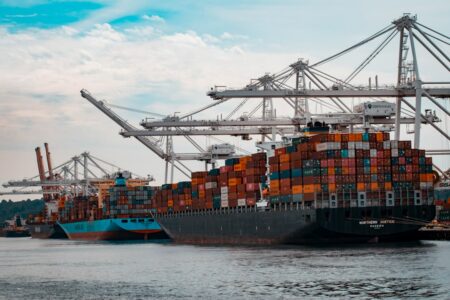




In an increasingly interconnected global economy, Canada finds itself at a pivotal moment in its trade relations, navigating a complex landscape of opportunities and challenges. With rising geopolitical tensions, economic uncertainties, and the ongoing repercussions of the COVID-19 pandemic, Canada’s trade policies and partnerships are more important than ever.
Global Trade Landscape: A Brief Overview
The backdrop of Canada’s trade relations is defined by a series of turbulent global events. The World Trade Organization (WTO) reported that global merchandise trade volume decreased by 5.3% in 2020 and is only gradually recovering. This disruption calls into question the resilience of trade relationships built over decades.
Moreover, the shifting dynamics between major economies, particularly the United States and China, have created volatility in international trade negotiations. As Canada’s largest trading partner, the U.S. plays a fundamental role in Canada’s trade strategy. The two nations share a robust economic interdependence, evidenced by a trade volume of over $700 billion in 2022 alone. However, with rising protectionist sentiments, Canada must tread carefully to sustain this vital partnership.
Opportunities in Emerging Markets
Despite these uncertainties, opportunities abound for Canada in emerging markets. The Canadian government has invested significant efforts into diversifying trade relationships beyond traditional partners. For instance, Canada’s Comprehensive and Progressive Agreement for Trans-Pacific Partnership (CPTPP) has opened doors to markets in Japan, Australia, and Southeast Asia, providing Canadian businesses enviable access to a combined GDP of over $13 trillion.
Additionally, Canada’s trade relations with the European Union have been positively impacted by the Canada-European Union Comprehensive Economic and Trade Agreement (CETA). This agreement has eliminated most tariffs and opened new avenues for Canadian exporters, particularly in sectors such as agriculture and natural resources.
Challenges Ahead
However, the path forward is fraught with challenges. One pressing issue is the ongoing tension between Canada and China, which has escalated in recent years. Trade disputes, including the controversial detention of Huawei executive Meng Wanzhou and subsequent retaliatory measures by both countries, have strained this once-fruitful relationship.
In 2022, trade between Canada and China stood at approximately $67.6 billion, representing significant investment and opportunity. Yet Canada must navigate geopolitical complexities while addressing domestic concerns about national security and human rights. The balancing act between maintaining trade ties and upholding Canadian values presents a daunting challenge for government officials.
The Role of Sustainability
Another significant factor shaping Canada’s trade relations is the increasing importance of sustainability and environmental responsibility. As global markets shift toward more sustainable practices, Canada can leverage its natural resources more effectively by positioning itself as a green energy leader.
For instance, Canada is rich in lithium reserves, a critical component for electric vehicle batteries. With the rising global demand for cleaner transportation solutions, Canadian companies are well-positioned for growth in this emerging sector. A recent report by the Canadian Institute for Climate Choices highlighted that Canada’s clean technology sector could generate up to 700,000 jobs and add $26 billion to the economy by 2030 if appropriately nurtured.
Technological Advancements and Innovation
Technological innovations are also poised to reshape Canada’s trade landscape. Digital trade, including e-commerce and data exchange, has become increasingly vital in a post-pandemic world. The Canadian government has encouraged investments in digital infrastructure to facilitate smoother trade relations.
The Digital Economy Strategy, launched in 2021, aims to enhance Canada’s competitiveness in the global digital marketplace. By capitalizing on advancements in technology, Canada can potentially reduce trade barriers and streamline processes, thus promoting exports and improving overall economic resilience.
The Path Forward
The road ahead for Canada’s trade relations is undoubtedly complex, but it is also filled with promise. The government’s ongoing commitment to strengthening international partnerships while addressing domestic challenges speaks to a proactive approach in a fast-evolving landscape. As Canada embraces opportunities in emerging markets, navigates geopolitical tensions, and invests in sustainable practices and technological advancements, it is essential for policymakers to remain adaptable and responsive to global shifts.
Canada’s economic future hinges on its ability to exploit new trade routes while maintaining robust relationships with traditional partners. Ensuring that trade policies are not just reactive but also strategic will be critical in securing Canada’s place in the global economy.
In conclusion, with determination and foresight, Canada has the potential to turn challenges into opportunities, reinforcing its status as a prominent player on the world stage. The journey is fraught with uncertainties, but the strategic choices made today will shape the trade landscape of tomorrow.
Related Products
-
vacane Vegetable Fruit Storage Containers,2 Piece …
Products $36.89 -
BEN’S ORIGINAL BISTRO EXPRESS Long Grain & Wild Ri…
Products $2.98 -
Sale!
One A Day Adult Multivitamin Gummies – Daily Gummy…
Products Original price was: $17.79.$13.97Current price is: $13.97.