


As 2023 unfolds, the specter of rising inflation looms large over Canada’s economic landscape. The Consumer Price Index (CPI) recorded a staggering increase of 6.8% over the past year, prompting policymakers to pivot their strategies. But what are the concrete actions being taken by the Canadian government to combat this inflationary tide? This article delves into fiscal policies and strategies being put in place to address the pressing issues facing Canadians today.
The Inflation Challenge
In recent months, Canadians have faced rising costs at the grocery store, gas stations, and everyday expenses. The Bank of Canada has flagged supply chain disruptions and external shocks, including geopolitical tensions, as contributing factors. To safeguard Canadian households and ensure sustainable growth, the government has set out a series of fiscal measures designed to curb inflation.
Targeted Financial Assistance
In an emergency budget announced earlier this year, Finance Minister Chrystia Freeland allocated additional funding aimed at vulnerable populations to alleviate some of the immediate impacts of inflation. Children’s benefits were increased, and monthly payments to low-income families saw an uptick. This step is critical, as economists argue that direct financial assistance is often the most effective means to support those hit hardest during inflationary periods.
Investment in Renewable Energy
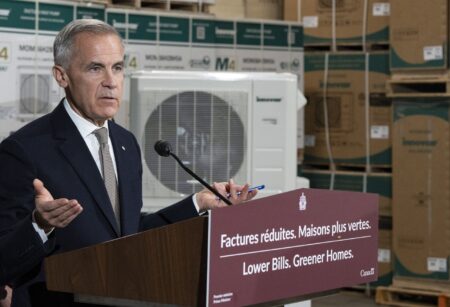
In tandem with immediate financial assistance, the Canadian government is eyeing longer-term solutions. With a focus on renewable energy investments, the government plans to allocate billions into green projects. This aim is twofold; it seeks to reduce reliance on fossil fuels—which have seen price volatility—and to meet climate targets. The investment in clean energy technology is anticipated not only to create jobs but also to foster a more resilient economy less susceptible to external shocks.
Interest Rate Hikes: A Controversial Tool
The Bank of Canada has signaled multiple interest rate hikes throughout 2023 as part of its strategy to reign in inflation. The decision to raise rates, however, is fraught with controversy. Critics argue that higher interest rates could further squeeze household budgets and slow economic growth. Proponents maintain that gradually increasing rates is vital to temper inflation and stabilize economy-wide spending power.
Fiscal Responsibility
Countering inflation also involves maintaining fiscal responsibility, a theme continually stressed by Minister Freeland. The government’s commitment to reducing the deficit is essential for ensuring that Canada retains international credibility. A comprehensive plan aims to reduce the federal debt-to-GDP ratio, which will help lower interest costs in the future and ensure that room remains for investment in essential services.
Engaging with the Private Sector
The Canadian government is also proactively engaging with the private sector to mitigate the inflationary pressures brought about by rising production costs. Initiatives such as tax incentives for businesses investing in technology aim to enhance productivity. Improved productivity can lead to more efficient supply chains, ultimately benefiting consumers through lower prices.
The Role of Public Sentiment
As with any fiscal policy initiative, public sentiment will significantly influence the efficacy of these measures. The government is keenly aware that Canadians prioritize economic stability and growth. Surveys indicate that an overwhelming majority of Canadians acknowledge the burden of inflation, and their acceptance of government measures often hinges on perceived efficacy. Transparency and communication from Ottawa will be pivotal in ensuring that citizens understand these steps.
Looking Ahead
As the year progresses, all eyes will be on the effectiveness of these strategies. Will financial assistance and increased investment in renewable energy create a lasting impact? How will Canadians respond to interest rate hikes? Economists and policymakers alike are closely monitoring these developments, recognizing that long-term implications for inflation will also depend on global economic conditions.
Conclusion
In summary, addressing inflation in Canada will require a multi-faceted approach, combining immediate relief with long-term structural changes. As the government rolls out its fiscal strategies, clarity and effective communication will be key in garnering public support. The coming months will reveal whether these initiatives can effectively rein in inflation while positioning Canada for sustainable economic growth in the future.
While uncertainty permeates the economic landscape, Canada’s commitment to tackling inflation head-on is evident. As fiscal policy remains the cornerstone of this fight, citizens will undoubtedly be watching closely for progress in 2023.
Related Products
Follow Canada News Media
Get the day's top Canadian stories and our two daily 60-second news videos wherever you scroll.
X Threads Facebook Instagram LinkedIn TikTok YouTube Pinterest Reddit Substack Flipboard Newsletter RSS