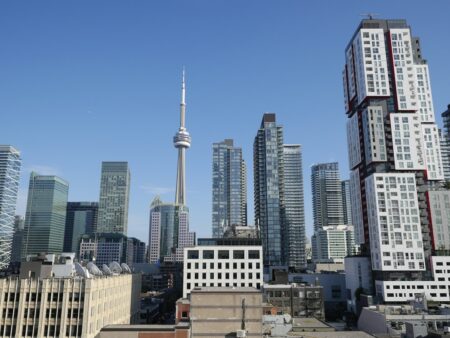


The Canadian housing crisis has reached a critical juncture, presenting both significant challenges and remarkable opportunities for innovation. With the population projected to increase to over 45 million by 2050, the current housing landscape is under unprecedented pressure. Urban areas, particularly Toronto and Vancouver, are grappling with soaring real estate prices, while rural regions face a shortage of affordable housing options. This article explores how innovative solutions are being developed to address these issues, as well as the obstacles that remain on the path to creating resilient, affordable, and sustainable housing for all Canadians.
Affordable Housing: An Urgent Necessity
According to the Canada Mortgage and Housing Corporation (CMHC), nearly 1.5 million households in Canada are in core housing need—meaning they live in inadequate or unaffordable conditions. The crisis has been exacerbated by rising interest rates and inflation, which have made it increasingly difficult for low- and middle-income families to secure housing.
“We need to take drastic action to change the narrative around affordable housing in this country,” says Dr. Jane Collins, an urban development expert at the University of British Columbia. “It is not just about building more units; it’s about ensuring those units are accessible and sustainable.”
Innovative Approaches to Housing Development
In response to these challenges, several innovative housing models are emerging across Canada. One notable example is the development of modular homes, which are prefabricated and can be assembled quickly onsite. Companies like Icon and Honomobo are leading the charge, creating energy-efficient homes that reduce construction waste and time significantly.
“Modular homes allow us to build quickly and efficiently without sacrificing quality,” says Mike Alexander, CEO of Honomobo. “In a market where time is of the essence, this is a game-changer.”
Another promising avenue is the “missing middle” concept—housing options that fall between single-family homes and high-rise apartments. This includes duplexes, triplexes, and townhouses. Cities like Victoria are turning to middle-density zoning to alleviate housing shortages and provide diverse options for residents.
“By diversifying the types of homes we build, we can create communities that are more inclusive and representative of all demographics,” states Sarah Lee, a city planner with the City of Victoria.
Sustainability as a Core Principle
In addition to affordability, sustainability is becoming a cornerstone of new housing initiatives. The trend toward green building is gaining momentum as climate awareness increases. Innovations in sustainable materials, energy-efficient designs, and smart home technology are rapidly changing the landscape of residential construction.
Toronto’s Zero-Emission Buildings Framework aims to make new residential buildings net-zero emissions by 2030. This initiative involves not only traditional methods of conserving energy but also integrating renewable energy sources. Solar panels, green roofs, and the use of high-performance building materials are just some of the features employed to reach this ambitious goal.
“Sustainability isn’t just a buzzword,” says Emily Tran, a sustainability officer for a local construction firm. “It’s about future-proofing our communities against the impacts of climate change.”
Regulatory Hurdles and Bureaucratic Challenges
Despite these promising innovations, regulatory hurdles remain a significant barrier to rapid housing development. Building codes, zoning laws, and lengthy permitting processes can delay projects for months or even years. Many developers find themselves navigating a complex web of regulations that can stifle creativity and slow progress.
Kristen Morris, a project manager for a major construction company, notes, “We have the technology and the will to build more homes, but bureaucracy often stands in the way. Streamlining regulations would make a substantial difference.”
Efforts to expedite housing development processes are underway, with several municipalities reconsidering zoning laws and embracing alternative building unit types. However, change is slow and often met with public resistance, particularly in communities wary of altering their housing landscape.
Community Involvement: The Key to Success
Building housing for tomorrow also requires engagement with the community. Developers are recognizing the importance of public input in project planning. Initiatives designed to encourage community dialogue can pave the way for more inclusive developments that cater to the needs of residents.
“Community engagement isn’t just a nice-to-have; it’s essential,” says Jason Park, a community outreach coordinator. “When people feel heard and included, they are more likely to support and embrace new developments.”
Looking Ahead: The Path Forward
As Canada grapples with its housing crisis, the path forward will require a multifaceted approach that incorporates innovative technology, sustainable practices, and community collaboration. While the challenges are significant, the potential for positive change is immense. A proactive attitude towards redesigning the future of housing could ultimately lead to a more equitable and sustainable Canada.
As cities and towns evolve, so too must their approaches to housing. With the right blend of innovation and resilience, Canada can build a housing landscape that meets the needs of current and future generations.
Related Products
-
Ninja NC301C, CREAMi Ice Cream, Gelato, Milkshake,…
Products $279.99 -
Sale!
TuTu 22-inch LED TV, 1080P FHD Flat-Screen TV with…
Products Original price was: $205.42.$165.38Current price is: $165.38. -
ACEMAGIC 2026 LX16 Laptop, 16-inch FHD (1920 x 120…
Products $699.99