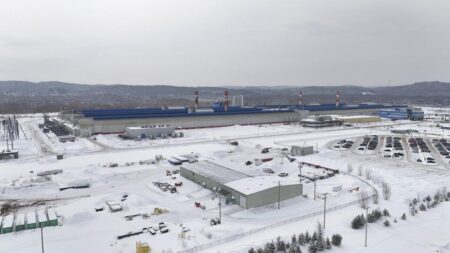






As Canada navigates through the complexities of a post-pandemic world, its economic landscape is undergoing significant changes. With a combination of high inflation, shifts in labor markets, and evolving global trade relations, various elements are set to shape the future trajectory of the nation’s economy. This article explores key developments and trends that are expected to impact Canada’s economic outlook in the coming years.
Inflation and Monetary Policy
Over the past year, Canada has seen a troubling rise in inflation rates, culminating in a peak of 8.1% in June 2022, marking the highest level in nearly four decades. As of early 2023, inflation has shown signs of stabilization but remains above the Bank of Canada’s target of 2%. The central bank has responded with a series of interest rate hikes, aimed at curbing spending and cooling off the economy.
The Bank of Canada’s rate hikes, which brought the benchmark interest rate to 4.5%, have resulted in increased borrowing costs for consumers and businesses alike. This adjustment is anticipated to slow the housing market, which has been riding a wave of post-pandemic demand. Analysts predict that as mortgage rates rise, home sales will continue to decline, contributing to moderate housing price adjustments.
Labor Market Dynamics
The Canadian labor market has rebounded strongly since the pandemic-induced downturn. Recent statistics indicate an unemployment rate of approximately 5%, close to pre-pandemic levels. However, challenges persist, particularly in attracting and retaining talent. The demand for skilled labor has intensified, especially in sectors such as technology, healthcare, and renewable energy.
According to a report by Statistics Canada, job vacancies in the second quarter of 2023 reached a record high of over one million positions. This scarcity of workers is leading companies to increase wages and expand benefits, which could further fuel inflation. Experts warn that unless there are significant improvements in workforce participation or immigration policy, Canada may face long-term labor shortages that could stifle economic growth.
Technology and Innovation Growth
One of the most promising trends in Canada’s economy is the burgeoning tech sector. Cities like Toronto, Vancouver, and Montreal have emerged as global tech hubs, attracting investment and talent. The Canadian government has recognized this potential, offering incentives for research and development, particularly in artificial intelligence and clean technology.
The 2023 budget emphasized the importance of innovation as a critical driver of future economic growth. Initiatives aimed at supporting startups and scaling homegrown companies have gained traction. The overall tech industry is projected to contribute significantly to GDP, with many analysts forecasting a compound annual growth rate (CAGR) of 5.6% through 2025. However, maintaining this momentum will depend on addressing existing talent shortages and regulatory hurdles.
Canada’s Trade Relationships
Canada’s economy is intrinsically linked to global trade, with more than 70% of its exports heading to the U.S. However, uncertainties in global markets—including geopolitical tensions and supply chain disruptions—pose challenges. The recent pandemic has made companies reevaluate their supply chains, prompting many to seek local alternatives.
In an effort to diversify trade partnerships, Canada has sought to strengthen ties with other markets such as Europe, Asia, and Latin America. The Comprehensive Economic and Trade Agreement (CETA) with the European Union and the Comprehensive and Progressive Agreement for Trans-Pacific Partnership (CPTPP) are key frameworks expected to enhance market access and reduce trade barriers.
Green Economy Transition
As concerns about climate change intensify, Canada’s commitment to a greener economy presents both opportunities and challenges. The federal government has set ambitious targets to achieve net-zero emissions by 2050, leading to increased investments in green technologies and sustainable practices.
The “Just Transition” framework aims to support workers and communities impacted by the transition away from fossil fuels. Canada is investing heavily in renewable energy projects, which are expected to create thousands of jobs. However, this transition necessitates careful management to avoid negative economic repercussions for traditional energy sectors.
Conclusion
The Canadian economy stands at a crossroads, facing myriad challenges while simultaneously presenting opportunities for growth and innovation. As inflationary pressures persist and the labor market evolves, proactive government policies and strategic investments in technology and green initiatives will be crucial to navigate this complex landscape. By leveraging its strengths and addressing its vulnerabilities, Canada can not only recover from the impacts of the pandemic but also lay a foundation for sustainable economic expansion in the future.
Source: Statistics Canada, Bank of Canada, Government of Canada Reports
Related Products
Follow Canada News Media
Get the day's top Canadian stories and our two daily 60-second news videos wherever you scroll.
X Threads Facebook Instagram LinkedIn TikTok YouTube Pinterest Reddit Substack Flipboard Newsletter RSS