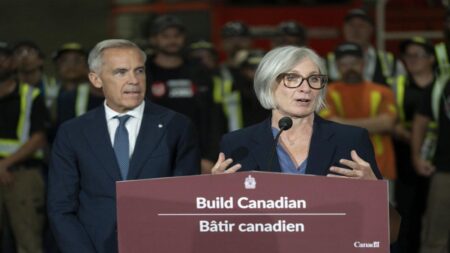






As the dust settles on the newly announced federal budget, Canadians across the country are left grappling with its implications. The government unveiled a spending plan that promises to reshape various sectors, from healthcare and education to climate change initiatives and economic recovery. This article delves into the highlights of the new budget and its potential impacts on the Canadian populace.
A Snapshot of the Budget
The recently unveiled budget, totaling $407 billion, marked a shift in priorities as the government pivots to address immediate needs exacerbated by the COVID-19 pandemic. Contrary to past decades of austerity, the new budget reflects an ambitious strategy aimed at stimulating growth, investing in public services, and confronting the twin challenges of inflation and environmental sustainability.
“We are committed to building a strong economy that is inclusive and sustainable,” said Finance Minister Chrystia Freeland during the budget announcement. “These investments will create jobs and lay the groundwork for future generations.” Among the budget’s key allocations, nearly $28 billion is earmarked for healthcare enhancements, with an emphasis on mental health support—a nod to the increasing demand for mental health services in the post-pandemic landscape.
Healthcare Investments
One of the major reforms within this budget is the unprecedented investment in healthcare. With a substantial rise in mental health concerns over the last few years, this budget prioritizes establishing a nationwide mental health strategy. Analysts have long argued for the need to tackle mental health with the same urgency as physical health, and this budget appears to heed that call.
The funds will facilitate the expansion of community mental health programs, improve access to mental health professionals, and promote awareness campaigns aimed at reducing stigma. Critics argue, however, that while the funding is welcome, implementation will be key to making a tangible difference in Canadians’ lives.
Education and Workforce Development
Another critical aspect of the budget is its focus on education and workforce development. With the labor market evolving in response to technological advancements, the government has allocated $10 billion to upskilling and reskilling programs. These initiatives target industries most impacted by automation and encourage partnerships with educational institutions.
“The future of work is changing, and we need to equip Canadians with skills that are relevant and in demand,” stated Freeland. The budget outlines support for digital literacy programs and targeted grants for underrepresented groups in the workforce—aiming for a more equitable job market.
Climate Change Initiatives
The budget also marks a decisive commitment to combat climate change. With climate-related disasters increasing, the government’s pledge of over $15 billion towards renewable energy solutions is aimed at transitioning Canada toward a green economy. Investments will focus on technologies such as solar, wind, and hydroelectric power.
Moreover, the budget includes funds for retrofitting buildings to improve energy efficiency, along with incentives for electric vehicle adoption. Environmentalists praise these initiatives but stress that aggressive timelines and accountability measures must accompany these financial investments to ensure real progress.
Economic Growth amidst Inflation Concerns
Inflation rates have surged in recent months, prompting concerns over the financial well-being of ordinary Canadians. While the government’s measures aim to stimulate growth, economists warn of potential pitfalls. Some analysts express skepticism about the long-term sustainability of such expansive spending.
“A delicate balance needs to be maintained,” explains economist Dr. Jennifer Steele. “While investing in crucial sectors is important, we must also be vigilant about responsible spending to mitigate inflationary pressure.” The government assures that careful monitoring will accompany these expenditures, aiming to counteract inflation without stifling growth.
Public Reception and Political Landscape
The public response to the budget has been mixed. Supporters laud the government for addressing urgent social issues and prioritizing public welfare. Conversely, critics argue that the budget lacks transparency and calls for a deeper examination of the proposed spending plans.
The political ramifications are also notable, as opposition parties seize the opportunity to challenge the government on its fiscal approach. The Conservative Party, in particular, criticizes the budget for increasing national debt without a clear plan for economic recovery. “This budget spends without responsibility,” stated opposition leader Pierre Poilievre.
Conclusion: What Lies Ahead?
As the new budget takes effect, its full impact on Canadians remains to be seen. The government’s ambitious plans highlight a commitment to healing a nation weary from years of crisis. Whether these investments lead to substantial improvements in the lives of Canadians will depend not only on the funds allocated but also on the effective implementation of these policies.
In the coming months, as stakeholders from various sectors begin to assess the budget’s implications, the consensus will likely evolve. For now, Canadians are left with both hope and apprehension about what the future holds.
Related Products
Follow Canada News Media
Get the day's top Canadian stories and our two daily 60-second news videos wherever you scroll.
X Threads Facebook Instagram LinkedIn TikTok YouTube Pinterest Reddit Substack Flipboard Newsletter RSS