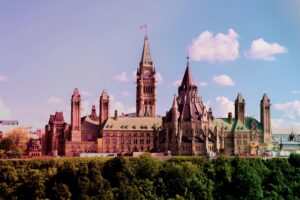




In recent years, Canada has experienced significant policy shifts that have far-reaching implications for its political landscape, economy, and social fabric. As the nation steers through the complexities of a post-pandemic world and evolving global dynamics, understanding the impact of these changes becomes pivotal.
Political Landscape Transformation
One of the most notable areas of transformation has been in the political arena. Following the Liberal Party’s majority win in 2021, Prime Minister Justin Trudeau’s government has laid out ambitious agendas including climate action, reconciliation with Indigenous communities, and health care reform. Yet these plans face a polarized electorate and emergent third-party dynamics.
Following a surge in support for the Conservative Party and the NDP, political analysts suggest that the next federal election could lead to a parliamentary landscape that challenges the Liberal’s agenda. “The rise of third parties isn’t just a temporary phenomenon; it’s a signal that Canadians are hungry for alternatives,” says Dr. Jennifer Adams, a political scientist at the University of Toronto. This shift urges major parties to recalibrate their platforms in ways that resonate with diverse voter bases.
Economic Reforms and Recovery Strategies
The economic fallout from COVID-19 is another critical issue shaping Canada’s future. The government’s response—including the Canada Emergency Response Benefit (CERB)—has raised discussions about how best to support Canadians going forward while addressing the burgeoning national debt. The recent policy shift towards increasing corporate taxes on large businesses intends to build a more equitable post-pandemic economy.
Critics of these tax reforms argue that higher corporate taxes could stifle investment and job creation. Conversely, proponents believe they are essential for funding critical social services. “We need to ensure that the wealth created by businesses benefits everyone, not just shareholders,” insists Mariana Torres from the Canadian Centre for Policy Alternatives. This debate reflects a broader conversation about the role of government in subsidizing an economy that is reeling from dislocation.
Environmental Policy and Climate Action
Environmental policy remains a cornerstone of recent governmental reforms. Canada has committed to reducing greenhouse gas emissions to net-zero by 2050, which necessitates systemic changes across industries. The government’s recent announcement of hefty investments in green technology, alongside new regulations for emissions, emphasizes a commitment to sustainability.
However, the transition has not been without contention. The oil and gas sector, a crucial element of Canada’s economy, is facing pressure and protests from environmental activists. “The government must balance economic realities with environmental imperatives,” states Greta Hargrove, a spokesperson for Climate Justice Canada. The dynamic between economic interests and climate accountability is one Canada will need to navigate carefully in the coming years.
Addressing Social Inequities
Recent policy shifts have also attempted to address social inequities. The Liberal government’s focus on implementing a national childcare program, which aims to cut the average cost of childcare in half by 2025, is hailed as a progressive step towards gender equity and economic resilience.
“Affordable childcare isn’t just a women’s issue; it’s a family issue and an economic issue,” emphasizes Sarah Lam, a mother from Toronto who advocates for parents’ rights. “When parents have accessible childcare, they can contribute to the workforce without the weight of financial strain.”
Moreover, discussions surrounding reforms for the Indigenous communities highlight a renewed commitment to reconciliation. Addressing land rights, health disparities, and access to education remains paramount. The government’s new initiatives aim to provide Indigenous communities with more autonomy, although some activists argue that real change is still woefully slow.
Conclusion: The Road Ahead
As Canada navigates these complex changes, citizens find themselves at a pivotal moment. The interplay between political dynamics, economic policies, environmental commitments, and social equity initiatives will undoubtedly shape the nation’s trajectory in the coming years. Acknowledging the interdependent nature of these issues is essential for fostering a Canada that is resilient, equitable, and sustainable.
With stakeholders from all sectors pushing for dialogues that ensure accountability and transparency, the future may hold a more engaged citizenry willing to hold its leaders accountable. Effective navigation through these policies will ultimately define Canada’s ability to meet the challenges of the future.
Learn more about government initiatives in Canada.
Related Products
-
Swarovski Stilla pendant, Heart, Red, Gold-tone Fi…
Products $169.00 -
Amazon Basics Dog Poop Bags with Dispenser, 540 Co…
Products $21.69 -
Sale!
Women’s Athletic Scoop Neck U Back Training One Pi…
Products Original price was: $37.99.$34.19Current price is: $34.19.