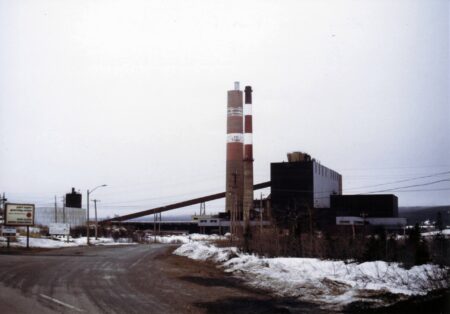




As the world grapples with climate change, Canada stands at the forefront of renewable energy technologies, leveraging its natural resources to innovate and inspire global change.
Canada has long been recognized for its abundant natural resources, ranging from sprawling forests to vast coastlines. However, it is the opportunity in renewable energy that may redefine Canada’s role on the global stage. With a commitment to reducing carbon emissions and investing in clean technologies, the country is making significant strides in harnessing not just the sun and wind but also its pristine waters and even its geothermal potential.
The Landscape of Opportunities
In recent years, Canada has taken center stage in the renewable energy sector, with provinces such as Alberta, British Columbia, and Ontario leading the charge. According to a report from the International Energy Agency, Canada is set to become one of the world’s largest producers of renewable energy by 2030, thanks in part to its rich hydroelectric resources.
Hydroelectric power currently accounts for approximately 60% of Canada’s electricity generation. Projects like the Site C dam in British Columbia are critical in meeting the province’s growing energy demands while ensuring a sustainable future. This $10 billion project is estimated to generate 1,100 megawatts of electricity by 2025, enough to power 450,000 homes.
“Canada has the potential to lead the world in renewable energy solutions,” said Dr. Rachel Chen, a renewable energy researcher at the University of Alberta. “With our vast landscapes and commitment to innovation, we are uniquely positioned to harness these resources effectively.”
Wind and Solar: Emerging Giants
Wind and solar energy have also seen unprecedented growth in Canada. A report by the Canadian Wind Energy Association cites that Canada’s wind power capacity has nearly tripled in the last decade. Alberta and Ontario are emerging as leaders in this sector, with wind farms popping up across the Prairies and Great Lakes regions.
Solar energy is not far behind, with Canada ranking among the top global producers of solar energy. Community solar initiatives, such as the Solar Program in Ontario, are gaining traction, allowing residents to invest in solar technology to power their homes, thus reducing their carbon footprints.
“Harnessing solar energy represents not just an environmental win, but also an economic opportunity for many communities,” stated Karen McKenzie, director of the Ontario Renewable Energy Association. “This shift encourages local investment and job creation.”
Geothermal: Untapped Potential
While hydro, wind, and solar have captured headlines, geothermal energy remains an underutilized resource in Canada. With significant geological formations in regions like British Columbia and the Yukon, Canada has the potential to become a leader in geothermal energy production.
One example is the recently launched project in the City of Guelph, Ontario, which aims to tap into geothermal sources to provide clean energy for heating and electricity. This innovative project demonstrates the feasibility of large-scale geothermal implementation, which could revolutionize energy production in colder climates.
“Geothermal energy is a game-changer,” remarked Dr. Mark Turner, a geothermal expert. “Once these projects take off, they will provide a steady and reliable source of energy, unlike other intermittent sources.”
The Role of Indigenous Communities
Amidst these technological advancements, Canada’s Indigenous communities are increasingly playing a pivotal role in the renewable energy landscape. Collaborations between Indigenous organizations and energy companies are paving the way for equitable partnerships that prioritize sustainability and respect for ancestral lands.
The Akaitcho Territory in the Northwest Territories, for instance, is witnessing Indigenous-led wind projects that not only provide renewable energy but also create jobs and foster community development. Collaborations like these signal a paradigm shift towards sustainable and socially responsible energy production.
“Indigenous involvement in renewable energy is not just about access to energy, it is about empowering communities,” said Chief Edward Sangris of the Yellowknives Dene First Nation. “It’s about sharing knowledge and ensuring that these projects benefit our people.”
Government Initiatives and Future Prospects
The Canadian government has recognized the urgency of transitioning to renewable energy, committing billions of dollars to green initiatives. The pledge to achieve net-zero emissions by 2050 has prompted collaboration between federal and provincial governments to enhance infrastructure, reduce barriers, and invest in research and development.
With organizations such as Natural Resources Canada leading funding and support programs, there is a clear roadmap for the future of renewable energy in the country. The technology adoption and innovation require both regulatory support and community involvement to become a reality.
As countries around the world watch with keen interest, Canada proves that harnessing its diverse resources is not just a local aspiration but a global necessity. With an abundance of renewable energy potential, the North is indeed poised for a breakthrough that could reshape energy consumption and production globally.
Sources: International Energy Agency, Canadian Wind Energy Association, Ontario Renewable Energy Association, University of Alberta research findings.
Related Products
Follow Canada News Media
Get the day's top Canadian stories and our two daily 60-second news videos wherever you scroll.
X Threads Facebook Instagram LinkedIn TikTok YouTube Pinterest Reddit Substack Flipboard Newsletter RSS