



With cold weather on the horizon, some healthcare professionals are sounding the alarm as we look to a combination of cold & flu season with the COVID-19 pandemic. In combination with the looming back-to-school surge in September and concerns surrounding a second wave, the potential for a viral overload is a concerning reality.
Dr. Ann Collins is the President Elect of the Canadian Medical Association (CMA). Joining the Mike Farwell show on Thursday, she spoke to the challenges that our healthcare service could see in the months ahead.
“The CMA has very real concerns about this convergence of upcoming cold and flu season along with back to school… and how it will affect Canadian family physicians and practices.” Says Collins. “These issues will present themselves probably faster than the physician community and the healthcare system can deal with.”
The Canadian Medical Association is a national, volunteer driven association of physicians and medical learners that aims to improve the health of Canadians while strengthening the health care system. When it comes to their work with the physician community in Canada, the CMA has been advocating those healthcare workers to look to the advice of the Public Health Agency of Canada and respective Chief Officers of Health for best practices in tackling the COVID-19 pandemic.
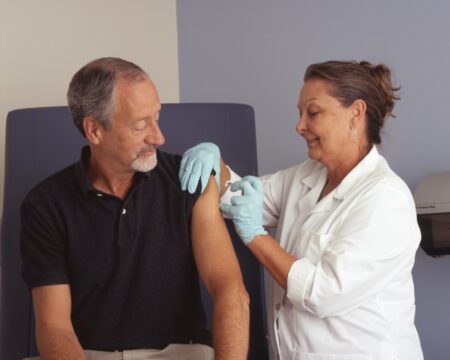
According to Dr. Collins, healthcare providers have already begun to receive recommendations on the provision of influenza vaccine from Health Canada. She says the comprehensive list is challenging physicians to look at different ways of administering the seasonal flu vaccine, including running smaller clinics or operating outdoors.
“Many family doctors for example will run huge flu clinics providing many patients in a short period of time with the influenza vaccine; that clearly cannot happen this year with physical distancing and increased sanitization requirements in running a clinic.”
Dr. Collins says one of the coming challenges to Canadians and physicians will be in an increased demand for COVID-19 testing. When it comes to working through cold & flu season, there’s concern for an increase in false cases and public concern as early stage symptoms of cold, influenza and COVID-19 can be very similar. Along with an increase demand for testing, Collins also says contact tracing will continue to play an important role in pandemic management, particularly with children returning to the classroom setting in September.
“This is a whole different challenge in this pandemic… because school has not been a part of it up to now.” Says Collins.
“School has to happen, CMA supports that, but it has to happen in a different way. With respects to closures; when and how, that’s is very much going to be reliant on public health advice, information and guidelines – and it will probably be different in different jurisdictions.”
Collins says that it’s important for children to be in school – though the Public Health “ABCs” of physical distancing, handwashing and masks will mean that school will look very different for young students.
“We have to be vigilant about the virus, but also be prepared to adapt and change as this unrolls over the next few months.”
While Collins does caution that flu season is always unpredictable, she says early reports from worldwide sources like Australia show a lower incident of flu. Collins says lower numbers can likely be attributed to COVID-19 safety guidelines in place in those countries, where people are conscious of their social bubbles.
“With the enhanced public health measures that people are taking on an individual basis, and then what’s happened at large in our communities and our workplaces (…) that will help lower the spread and presence of any viral illness.”
When asked if she was confident that we’ll be able to withstand what’s being thrown at us, Collins says we’ve learned a lot so far from the pandemic – and we need to continue to listen to those at the helm of Canada’s pandemic response.
“We must continue to take guidance from public health. We’re assured in many areas that testing will be available. We have to remain conscious about a good supply of PPE – testers need PPE to do the testing. Family physicians need a stable, reliable supply of PPE to continue running their offices and to see people face to face.”