


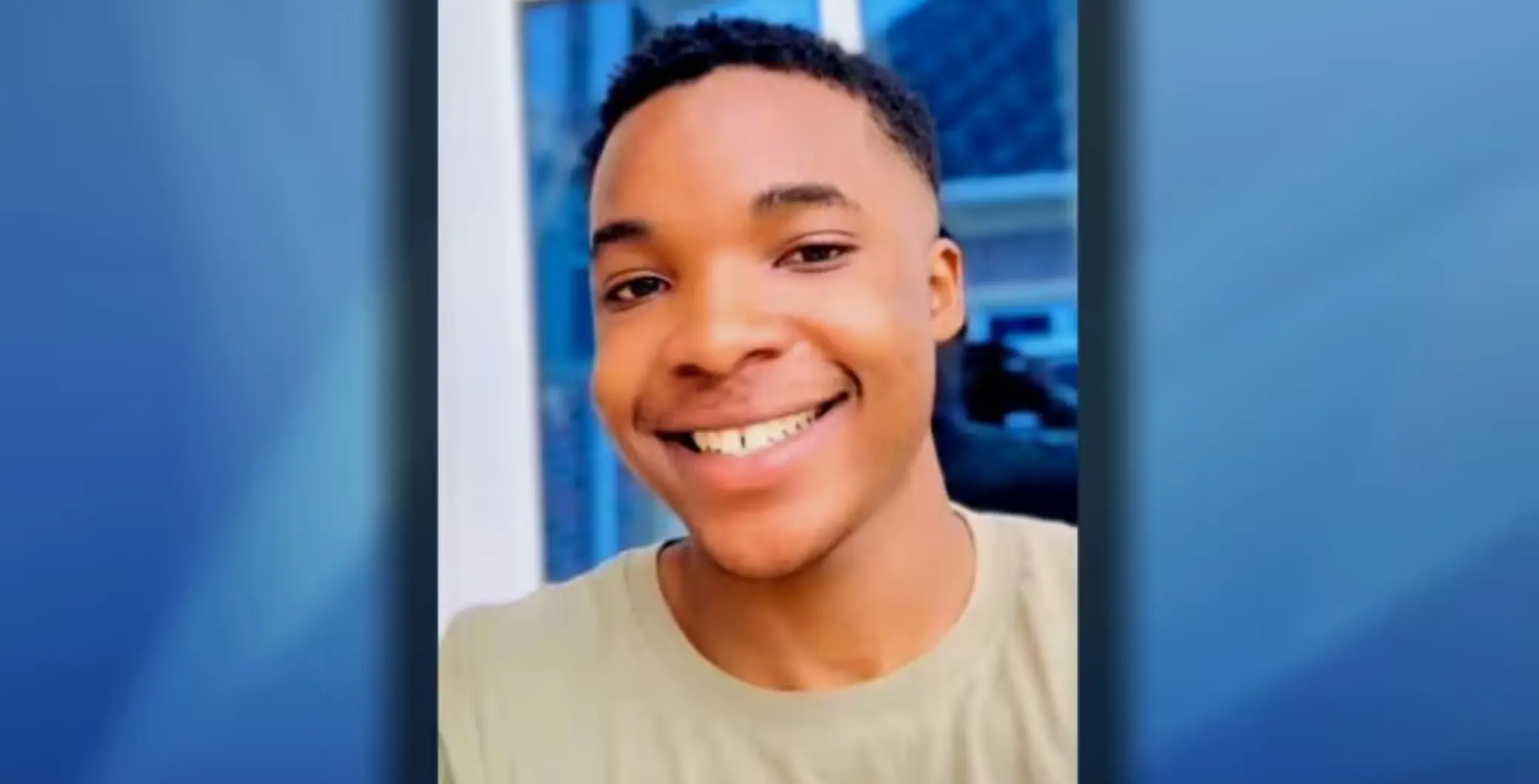
In the wake of a tragic incident on New Year’s Eve, a community is grieving, and a nation is grappling with difficult questions about police response to mental health crises. Afolabi Stephen Opaso, a 19-year-old international student from Nigeria, lost his life in an encounter with Winnipeg police, sparking widespread calls for justice and reform.
On December 31, around 2:30 p.m., Winnipeg Police responded to a call at an apartment building on 77 University Crescent. Reports of a man acting erratically had concerned residents. Upon arrival, officers encountered three individuals, including Opaso, who was armed with two knives. Police Chief Danny Smyth described the situation as a “use of force encounter,” leading to Opaso being shot.
Rushed to the hospital, Opaso later succumbed to his injuries. His family’s lawyer, Jean-René-Dominique Kwilu, revealed that Opaso was experiencing a mental health crisis. Friends present at the scene had informed responders of his mental state, asserting that he posed no danger to others.
The incident has galvanized nearly 9,000 people to sign a petition demanding justice for Opaso and calling for changes in how police handle mental health crises. The petition, created by Kaiser Biosah, emphasizes the need for accountability and reform to prevent such incidents in the future.
Opaso, known affectionately as Zigi, was remembered as an easy-going individual, full of life. He had moved to Canada to study Economics at the University of Manitoba, with aspirations of a bright future. A GoFundMe campaign was set up to support his family, reflecting the community’s shock and sorrow.
Kwilu questioned why the Alternative Response to Citizens in Crisis (ARCC) program, which pairs plain-clothes officers with mental health workers, was not utilized. Winnipeg police, in a statement, explained that the situation did not meet the ARCC criteria as safety couldn’t be ensured. This response has intensified discussions about the adequacy of current protocols in handling mental health emergencies.
The Independent Investigation Unit of Manitoba (IIU) has taken over the investigation to bring clarity to the circumstances leading to Opaso’s death. His family in Nigeria, struggling to come to terms with their loss, demands answers and justice.
The Centre for Addiction and Mental Health (CAMH) in Toronto has weighed in, advocating for improved crisis care. They argue that people in mental health crises need healthcare, not police intervention. CAMH is pushing for a model where mental health responders, not police, are the first point of contact in such situations. This approach includes learning from international models and investing in community mental health to prevent crises.
As the community mourns and seeks justice, the incident has opened a broader debate on police interactions with individuals in mental health crises. The petition, with its thousands of signatories, reflects a growing public demand for change. It calls upon the Canadian government for an impartial investigation into Opaso’s death and for systemic reforms within law enforcement agencies.
Opaso’s story is a stark reminder of the critical need for adequate mental health support and appropriate crisis response mechanisms. His untimely death has not only left a void in the hearts of his loved ones but also sparked a vital conversation about the intersection of mental health, policing, and racial profiling in Canada.
As the investigation unfolds, the nation watches, hoping for justice and systemic change. Opaso’s dreams and aspirations, tragically cut short, have become a catalyst for a much-needed dialogue on how society and law enforcement engage with mental health issues. The hope is that this tragedy leads to meaningful action and prevents future loss of life under similar circumstances.