
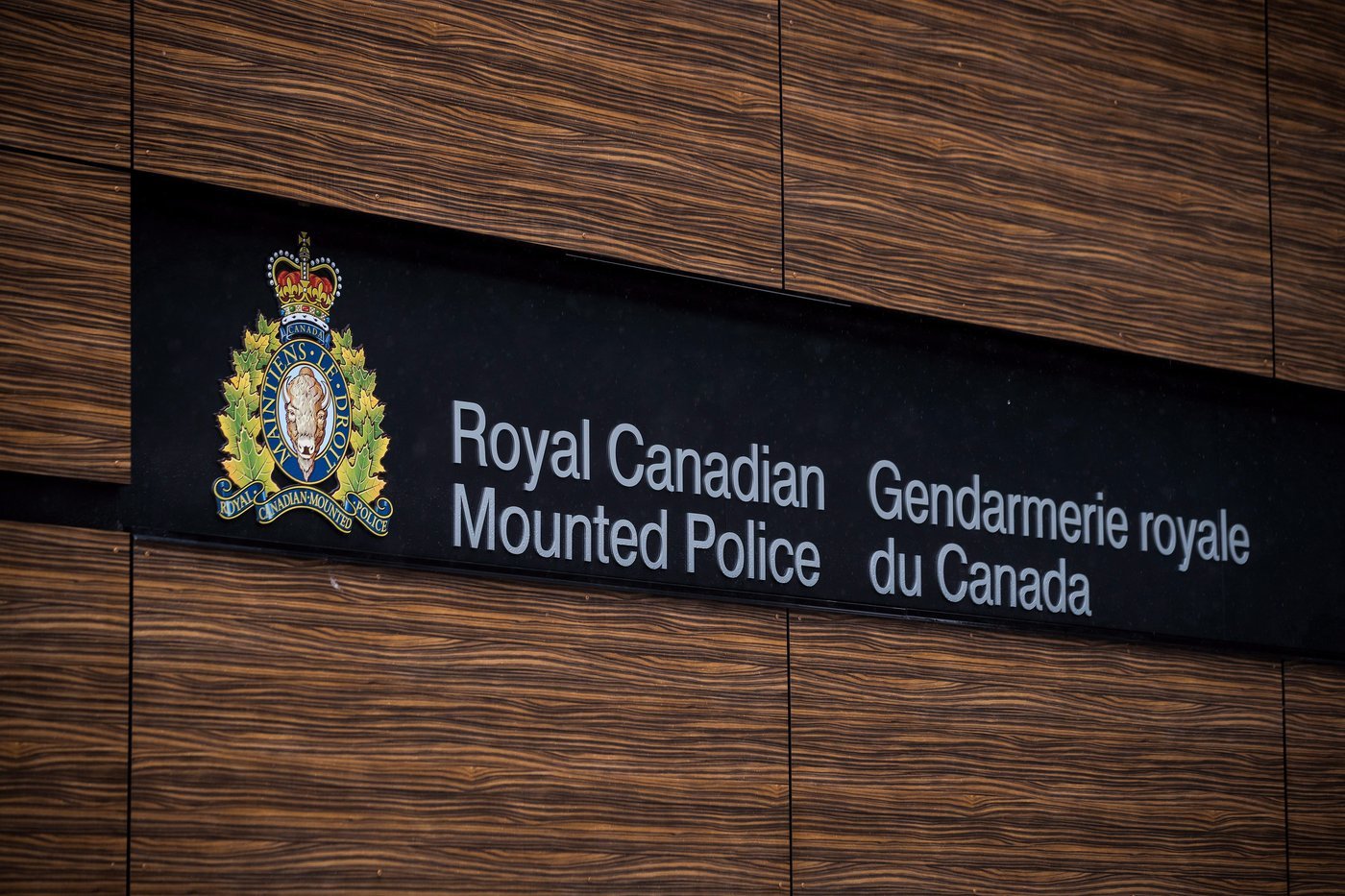
The Royal Canadian Mounted Police (RCMP), as Canada’s federal and national law enforcement agency, wields significant authority and responsibility. However, over the years, the RCMP has faced longstanding allegations and evidence of systemic racism within its ranks, creating serious concerns about the treatment of racialized communities and the urgent need for systemic change.
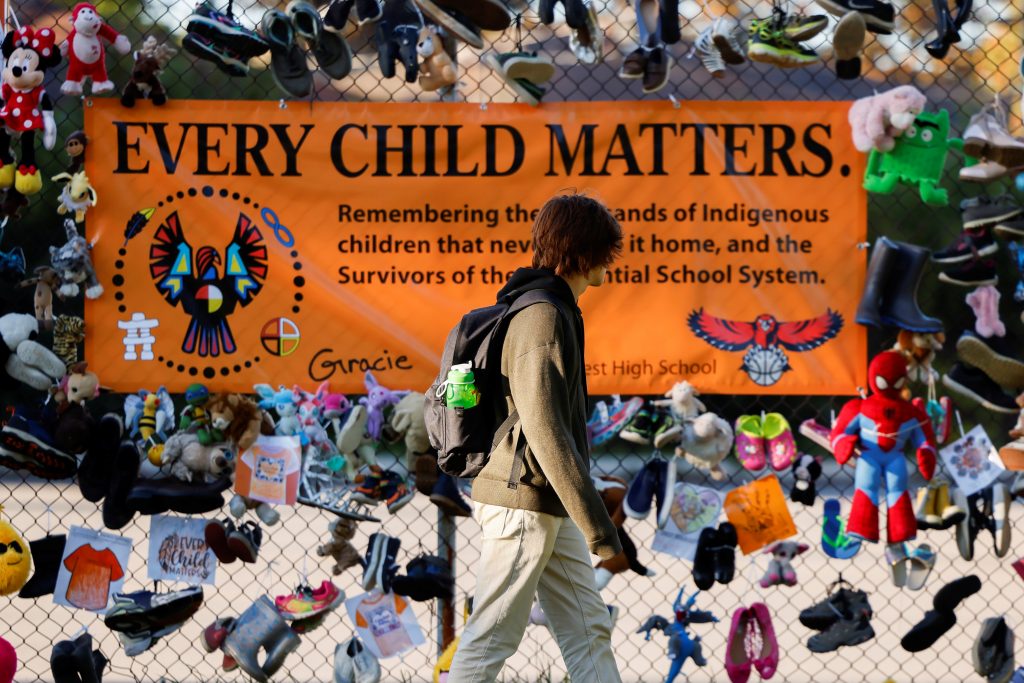
According to numerous reports and testimonials, one of the most prominent examples of systemic racism within the RCMP is the treatment of Indigenous peoples. The relationship between the RCMP and Indigenous communities has been marred by historical tensions, and these allegations of racism persist to this day. National cases of police violence and mistreatment, such as the tragic death of Colten Boushie in 2016, have ignited public outrage and underscored the pressing need for reform. As Chief Allan Adam of the Athabasca Chipewyan First Nation remarked, “These incidents highlight the deep-seated problem of racism within the RCMP and the urgent need for change.”
Instances of disproportionate arrest and incarceration rates among Indigenous people further illustrate the systemic inequalities perpetuated within the RCMP. Senator Murray Sinclair, former Chair of the Truth and Reconciliation Commission, remarked, “The over-policing and mistreatment of Indigenous communities are symptoms of the systemic racism deeply entrenched within the RCMP. We need comprehensive reforms to address this injustice.”
Systemic racism is not confined to Indigenous communities but also affects Black and other racialized communities. Numerous individuals from these communities have come forward, sharing their harrowing experiences of racial profiling, discriminatory practices, and excessive use of force by RCMP officers. These incidents have eroded trust between these communities and law enforcement agencies, hindering effective policing and community relations. As Desmond Cole, a prominent Canadian journalist, and activist, observed, “Systemic racism within the RCMP continues to devastate Black and racialized communities. We need tangible action to dismantle these structures of oppression.”
The issue of systemic racism within the RCMP extends beyond individual incidents and can be traced back to broader institutional factors. A significant concern is the lack of diversity within the RCMP’s ranks. Despite efforts to increase representation, visible minorities and Indigenous peoples remain underrepresented, resulting in a lack of cultural competence and understanding within the organization. Dr. Carol La Prairie, a professor of Indigenous studies, stated, “The RCMP must prioritize diversity and inclusion by actively recruiting and promoting officers from diverse backgrounds. This will enhance their ability to effectively serve all communities.”
Reports have also highlighted systemic barriers faced by racialized individuals within the RCMP, such as discriminatory promotion practices, unequal access to career advancement opportunities, and a lack of support for addressing complaints of racism within the organization. These factors create a hostile work environment for racialized officers and impede their ability to effect meaningful change from within. As Constable Sarah Singh, an officer of South Asian descent, explained, “The lack of support and systemic barriers make it challenging for racialized officers to advocate for change. The RCMP must address these issues to create an inclusive and equitable workplace.”
In response to these concerns, the RCMP has initiated measures to address systemic racism. The organization has introduced diversity and inclusion training programs, implemented initiatives to increase the representation of Indigenous and visible minority officers, and committed to cultural sensitivity training for all members. Independent reviews and inquiries have also been conducted to examine the culture and practices within the RCMP, providing recommendations for reform.
However, many critics argue that these measures fall short of effectively addressing the deep-rooted issues of systemic racism within the RCMP. Calls for enhanced accountability mechanisms, improved oversight, and the establishment of external civilian review bodies have grown louder. Increased transparency and independent investigations into allegations of racism are crucial for restoring public trust and ensuring meaningful change. As Marie Wilson, former Commissioner of the Truth and Reconciliation Commission, emphasized, “Real change requires genuine commitment and sustained action. The RCMP must prioritize accountability and implement comprehensive reforms to address systemic racism.”
In conclusion, systemic racism within the RCMP remains a persistent and damaging issue. The treatment of Indigenous peoples and racialized communities, coupled with institutional barriers and a lack of diversity, perpetuate systemic inequalities. While the RCMP has taken some initial steps to address these concerns, more comprehensive and sustained efforts are necessary to eradicate systemic racism within the organization. Only through genuine reform and a steadfast commitment to cultural change can the RCMP rebuild trust, improve community relations, and effectively serve all Canadians.
Follow Canada News Media
Get the day's top Canadian stories and our two daily 60-second news videos wherever you scroll.
X Threads Facebook Instagram LinkedIn TikTok YouTube Pinterest Reddit Substack Flipboard Newsletter RSS