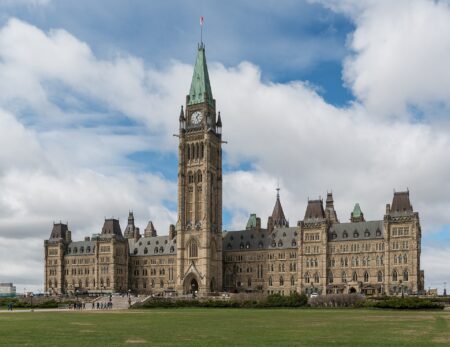





Parliament would need to amend the Criminal Code to allow Canadian aid workers to help in Afghanistan, federal officials told a Senate committee studying the issue.
“Without addressing these blockages in the Criminal Code, there is no way for us to untie the hands that are now providing some of this humanitarian assistance from being done,” Marie-Louise Hannan, a director general for South Asia at Global Affairs Canada, told the Senate human rights committee Monday evening.
Humanitarian groups say Global Affairs Canada has told them that purchasing goods in Afghanistan or hiring locals would involve paying taxes to the Taliban, which might be considered as contributions to a terror group.
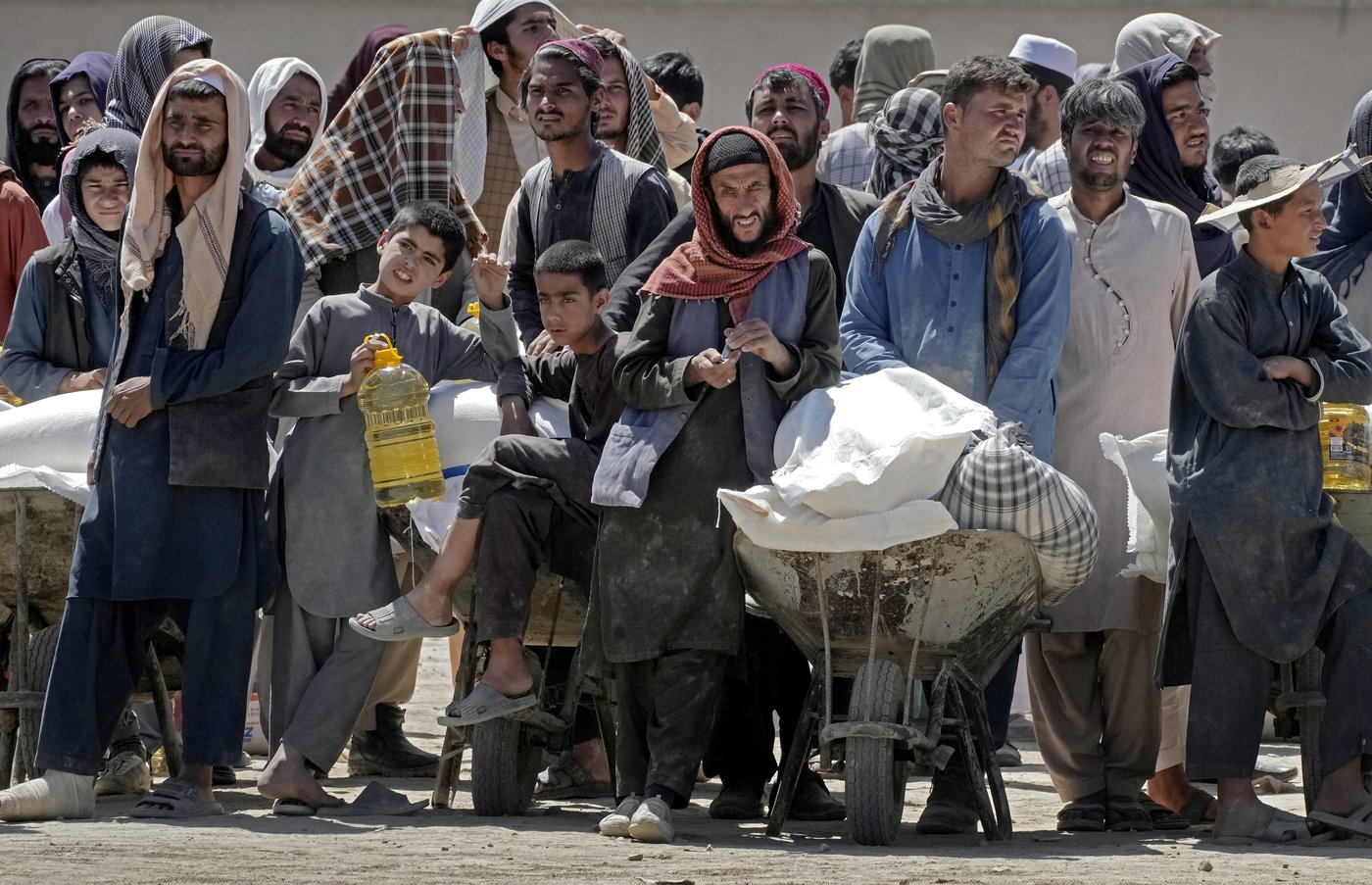
That advice was given despite a cascade of humanitarian crises in Afghanistan, from a collapsing health-care system to soaring rates of child malnutrition.
A House of Commons committee flagged the issue in June, noting that other Western countries amended their laws or issued exemptions for aid groups as early as fall 2021.
Hannan said bureaucrats across three departments are well aware of the issue.
“For the last year, we have been mandated to look at this question, and have been trying to come up with the most expedient way to address it,” she said.
A Department of Justice official said Canada’s outdated legislation does not have the flexibility that allowed the United Kingdom and Australia to carve out exemptions from their laws.
“From a technical sense, the legislation at issue here was passed in 2001; it hasn’t been substantially amended since then,” said senior criminal-law counsel Robert Brookfield.
Constitutional lawyers have argued the existing laws are contradictory and would not have aid workers sent to prison.
But the officials told the committee that a judge would need to rule on that, most likely after an aid worker is charged with a criminal offence.
Sébastien Aubertin-Giguère, an acting assistant deputy minister for the Department of Public Safety, said the problem has to be handled delicately.
“We need to balance the humanitarian need, versus the integrity of the terrorist-financing provisions of the (Criminal) Code,” he said.
“I’m not in a position to provide a timeline at this point,” he said. “It’s a complex issue and it’s important to remember we’re dealing with serious terrorist financing provisions.”
The officials testified after three ministers and their parliamentary secretaries all said they had prior plans for evenings of Dec. 5 and 12.
Canadian aid groups working in Afghanistan told the committee about growing desperation in the country that is driving some locals to join terrorist groups.
This report by The Canadian Press was first published Dec. 6, 2022.
Follow Canada News Media
Get the day's top Canadian stories and our two daily 60-second news videos wherever you scroll.
X Threads Facebook Instagram LinkedIn TikTok YouTube Pinterest Reddit Substack Flipboard Newsletter RSS