


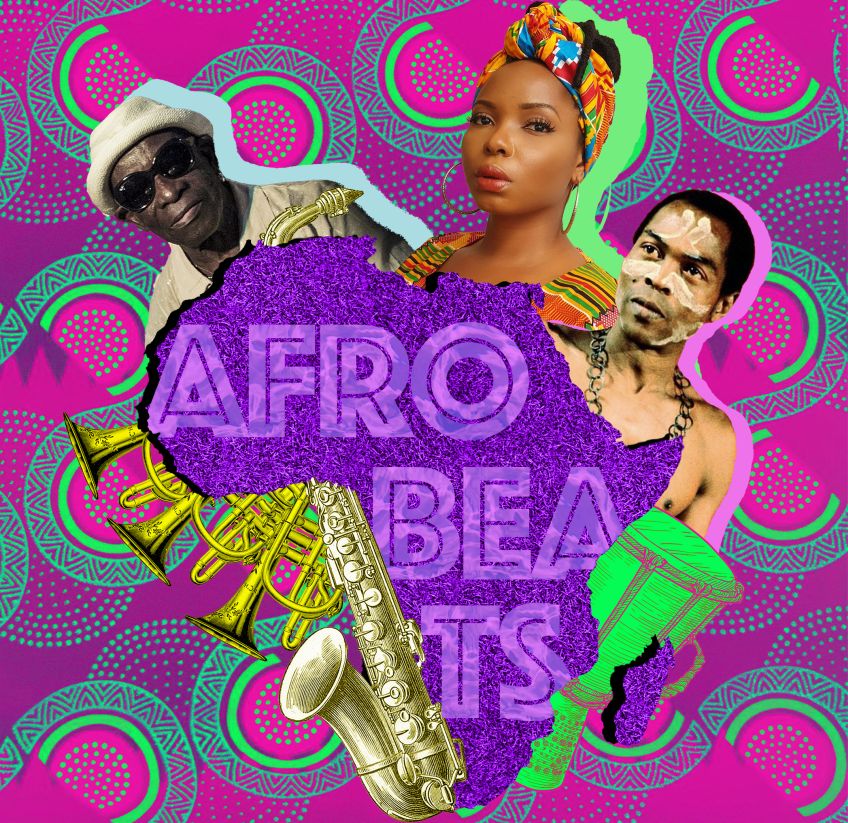
Afrobeat vs. Afrobeats: A Musical Odyssey
As the beats of Africa resonate globally, the distinct sounds of Afrobeat and Afrobeats capture the hearts of music enthusiasts worldwide. Originating in Nigeria during the 1970s, Afrobeat, credited to the musical genius Fela Kuti, laid the foundation for a genre that transcends borders and generations. However, in the contemporary music landscape, the term “Afrobeats” has emerged, signifying a broader genre that encompasses West African pop music rather than the specific Nigerian genre.
Fela Kuti: Architect of Afrobeat
Fela Kuti’s musical journey began in the 1960s when he discovered his passion for African jazz music while in London, initially on a path to study medicine. His instrumental talents, displayed by playing the piano and drums in the school choir, hinted at his future musical prowess. Shifting gears, Kuti enrolled at Trinity College of Music, dedicating himself to the study and creation of music. In the late 60s, he introduced Koola Lobitos, a musical venture that would later evolve into the Afrobeat phenomenon.
Afrobeat’s distinctive sound draws from a fusion of West African beats, American funk, free jazz, and high life. Kuti, with his musical acumen, intricately weaved these genres together, creating a cultural tapestry of rhythms that felt uniquely African. Highlife, a popular genre in the 19th century, contributed Western jazz melodies to the Afrobeat sound, enhancing its diversity.
Afrobeat and Political Resonance
Beyond its musical richness, Afrobeat is deeply intertwined with political activism. As Kuti gained recognition, his engagement in politics intensified. Collaborating with African American artist Sandra Izsadore, Kuti merged African roots with American culture, realizing the potency of combining politics with music. The socio-political landscape in Nigeria, marked by injustice and military corruption, fueled Kuti’s activism, providing additional layers of meaning to the Afrobeat genre.
The 70s witnessed Kuti’s fervent criticism of the military governments in Africa, particularly in Nigeria. This era of political turmoil brought forth a socially conscious Afrobeat, aligning with the struggles faced by many Africans during that period. Kuti’s advocacy for social change through music inspired subsequent generations of artists who, in the late 90s and early 2000s, collaborated with him to keep the Afrobeat legacy alive.
Afrobeats: A Global Fusion of Rhythms
As Afrobeat paved the way, the music scene evolved, giving rise to the plural term “Afrobeats.” Distinct from Afrobeat, Afrobeats encompasses a variety of African pop genres, finding prominence in Nigeria, Ghana, and the UK during the late 90s and 2000s. Over the past two decades, Afrobeats has emerged as a global phenomenon, finding resonance in cities like London and Lagos.
The Evolution of Afrobeats in Lagos and London
Lagos, with its rich musical history dating back to the 1920s, saw the transformation of oral music forms like juju and fuji into a more advanced musical landscape. The incorporation of professional equipment into the music scene allowed Lagos musicians to experiment, giving birth to afrobeats, which seamlessly blended hip hop and R&B into its rhythm.
In contrast, London became a melting pot for artists who fused their African roots with diverse backgrounds. Artists like Fuse ODG, born in Britain and raised in Ghana, played a pivotal role in introducing afrobeats to the UK music industry. The impact of this genre transcended cultural boundaries, bringing a vibrant and upbeat sound to the UK lifestyle.
Global Stars of Afrobeats
Afrobeats’ popularity is propelled by a new generation of artists who have taken the genre to unprecedented heights. Icons like Burna Boy, Wizkid, and Davido have become synonymous with Afrobeats, leading the genre to international success. Their music, characterized by infectious rhythms and a unique blend of styles, has garnered a global fan base, making Afrobeats a dominant force in contemporary pop music.
Afrobeat in Canada: Embracing a Cultural Kaleidoscope
As the world listens to the rhythms of Afrobeat and Afrobeats, Canada stands as a testament to the global reach of African music. The multicultural fabric of Canada provides a fertile ground for the harmonious convergence of diverse musical traditions. Afrobeat, with its roots in activism and cultural expression, finds resonance among the diaspora and enthusiasts in Canada.
Canadian cities, known for their cultural diversity, host events, festivals, and performances that celebrate the rich tapestry of African music. Artists and communities in Canada contribute to the global conversation around Afrobeat, fostering a cultural exchange that transcends geographical boundaries.
In conclusion, Afrobeat and Afrobeats, with their distinct yet interconnected histories, continue to shape the musical landscape in Canada and beyond. From the political resonance of Afrobeat to the global fusion of Afrobeats, these genres stand as cultural ambassadors, weaving stories of identity, resilience, and celebration. As the beats reverberate through the Canadian air, Afrobeat in all its forms becomes a vibrant and integral part of the nation’s diverse musical tapestry.
Follow Canada News Media
Get the day's top Canadian stories and our two daily 60-second news videos wherever you scroll.
X Threads Facebook Instagram LinkedIn TikTok YouTube Pinterest Reddit Substack Flipboard Newsletter RSS