



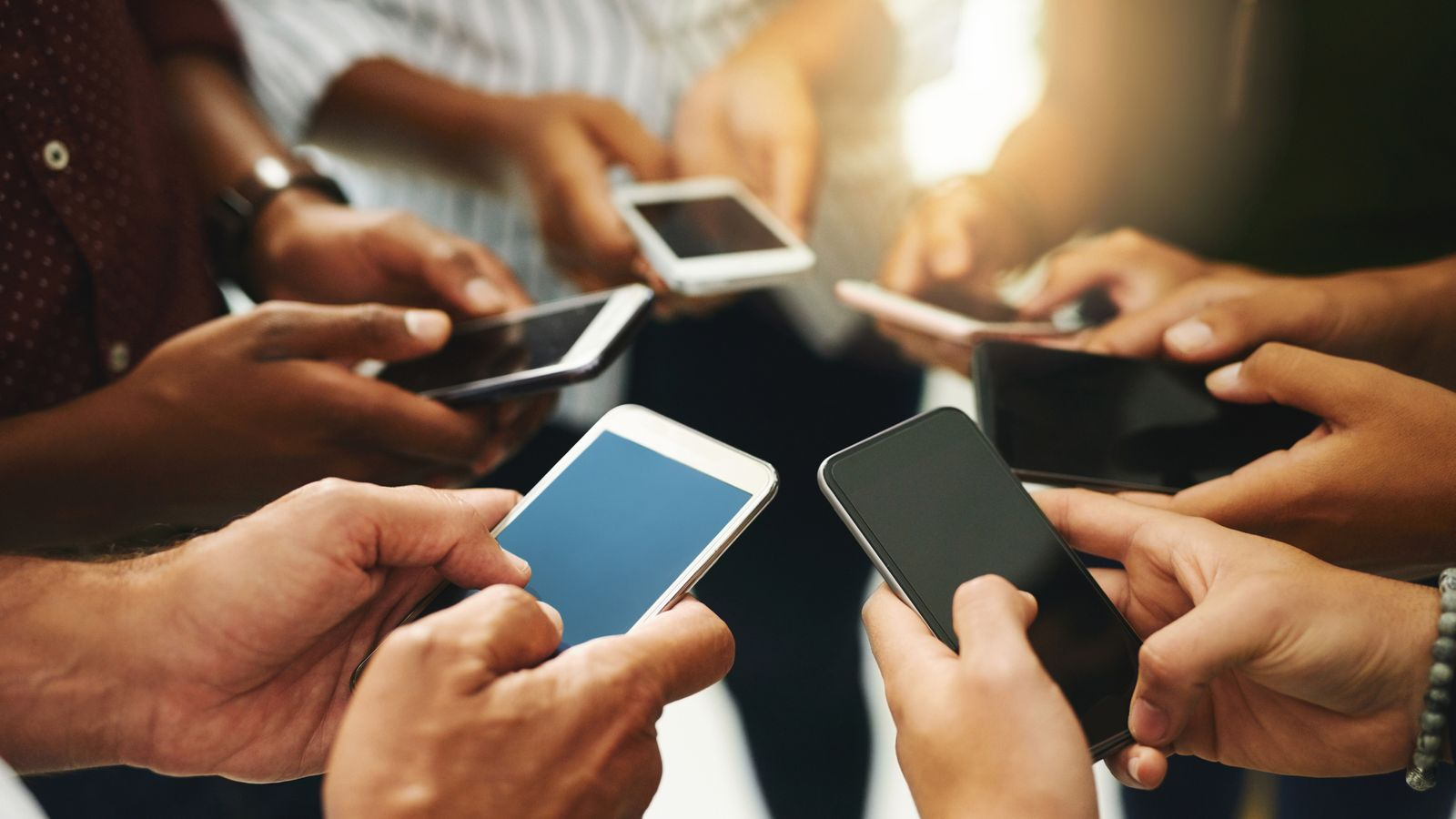
Over the past decade checking and scrolling via social media has become increasingly common. While a good percentage of users’ use of these devices is unproblematic, a good portion of us, especially our young and elderly have become addicted to them. This is not a surprise at all. For many of us, the constant unending use of these devices for whatever reason has become unhealthy and compulsive. Statistics Canada suggests that @15-25% of all users are addicted. It has been suggested that that number is much higher.
Do we need to stay in contact with others at all times? Can information overload affect one’s mind?
Does your day start in this fashion?
1. The first thing you do in the morning is checking social media?
2. You check social media throughout the day whether at work or on your own time.
3. You are anxious when you cannot check your social media.
4. You are constantly checking how your posts perform
5. You spend a lot of time overthinking and planning your posts.
Social media addiction is defined as compulsive and excessive use of social media like Facebook, Twitter, Instagram, and Snapchat, even when they use of those platforms takes over your life and has negative effects upon your “real life” and health, and relationships. Also is you are glued to your device because it is a job requirement, requiring a 24-hour response, this too is addiction in the making.
Social media can cause similar dopamine releases to your brain, mimicking the same euphoric experience that cocaine addicts chase. Likes, comments, retweets, and shares from social media platforms have been shown to be nearly as addictive as a cocaine rush.
Worried yet? Concerned that you may be on your way or are already addicted? Been to a meeting of several people, or perhaps a lunch gathering where no one speaks or listens to one another? Are you or your workmates distracted by these devices, unable to concentrate upon their job or another person?
If you can turn it off and place it away from you especially once you are at home. Your brain needs downtime, a place to rest and gather your thoughts without the unnecessary injections of social media and its devices. Liberate yourself. It may not be easy to do. Seek help from a trusted family member or someone you trust. There are programs that indeed address this addiction and its underlying causes. A digital detox period is needed, but during that detox, the real work must be done, along with long-term recovery. Clients of such a program begin to understand the underlying psychology at play, working to build a stronger and more empowering sense of their self-worth and self-identity too. Social media allows you to be someone else, creating a counterfeit social connection with the other.
This form of addiction is exceedingly serious, having earth-shattering effects upon our social fabric. Really. We can have devices that open the world of information and connection to every corner of this globe, all in the palm of our hands. Yet this so satisfying, comfortable, and titillating rush has unwittingly thrown many of us under the virtual bus of psychological and psycho-physical addiction, dependence upon a thing, and a feeling. A reality check for many of us is in order.
Steven Kaszab
Bradford, Ontario
Follow Canada News Media
Get the day's top Canadian stories and our two daily 60-second news videos wherever you scroll.
X Threads Facebook Instagram LinkedIn TikTok YouTube Pinterest Reddit Substack Flipboard Newsletter RSS