


/cloudfront-us-east-1.images.arcpublishing.com/tgam/HF4N7T6IVBGVBFMUDIDV6MVY6M.JPG)
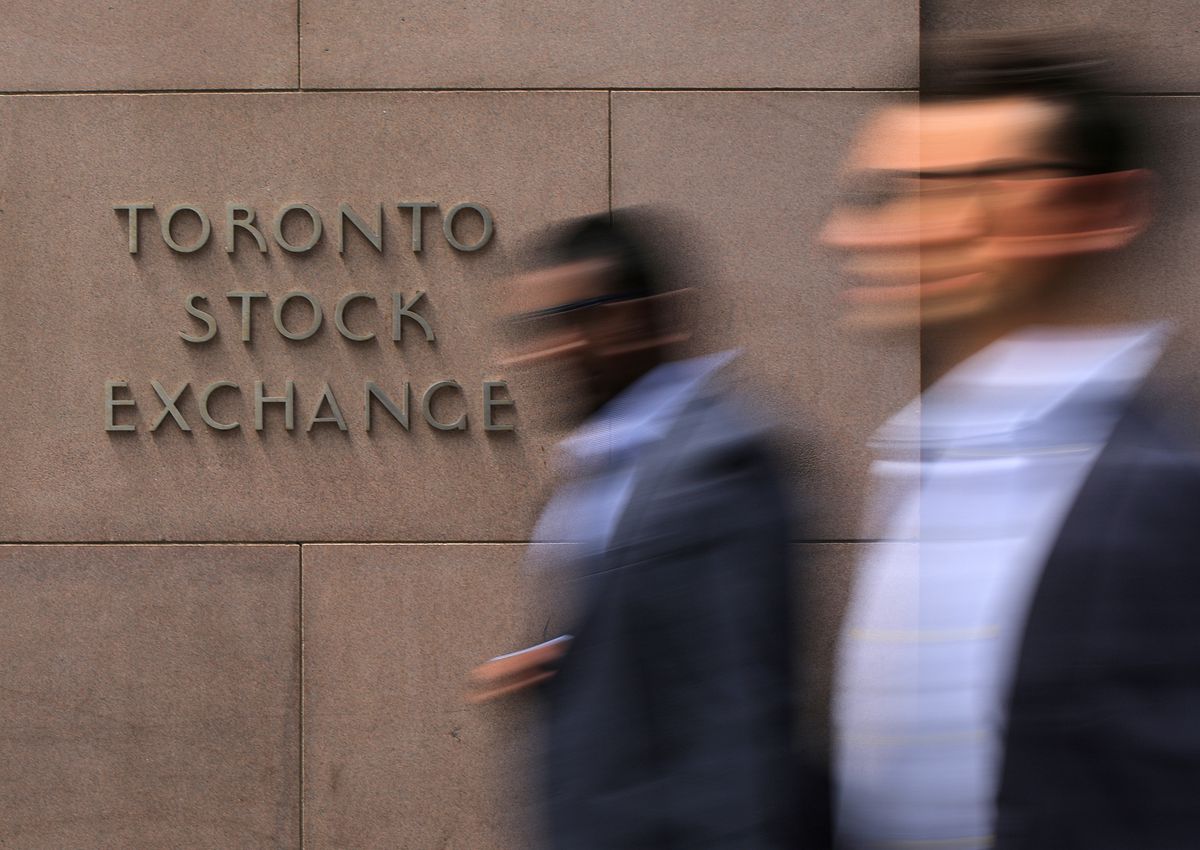
Canada’s main stock index rose on Monday lifted energy stocks as major oil producers including OPEC and its allies agreed to extend output cuts till the end of July.
At 9:30 a.m. ET, the Toronto Stock Exchange’s S&P/TSX composite index was up 56.54 points, or 0.36%, at 15,910.61.
Wall Street’s main indexes opened higher on Monday, building on last week’s rally after a surprise rebound in jobs bolstered views that the U.S. economy has weathered the worst of the economic fallout from the COVID-19 pandemic.
The Dow Jones Industrial Average rose 121.95 points, or 0.45%, at the open to 27,232.93.
The S&P 500 opened higher by 5.99 points, or 0.19%, at 3,199.92. The Nasdaq Composite gained 9.36 points, or 0.10%, to 9,823.44 at the opening bell.
U.S. stocks surged on Friday, with the tech-heavy Nasdaq closing within a striking distance of its Feb. 19 all-time peak, after the unemployment rate in May unexpectedly fell. The S&P 500 had closed the week with a near 5% jump.
“The blowout jobs report has got economists talking about V-shaped recoveries,” Jasper Lawler, head of research at London Capital Group said.
The benchmark S&P 500 and the Dow are now 5.7% and 8.3% away from their respective closing highs, after surging more than 45% from their pandemic lows hit on March 23, as most businesses reopened following weeks of virus-led shutdowns.
The S&P 500 is now about 1% away from recouping all of its losses in 2020.
The focus this week will be the Federal Reserve’s two-day policy meeting, ending on Wednesday, where the jobs report is expected to be discussed.
It would be the first meeting since April when Fed Chair Jerome Powell said the U.S. economy could feel the weight of the economic shutdown for more than a year.
Oil slipped on Monday after Saudi Arabia said an extension of output cuts by OPEC+ nations would not include extra voluntary cuts by a trio of Gulf producers.
Brent crude was down 14 cents, or 0.3%, at $42.16 per barrel, while U.S. West Texas Intermediate (WTI) crude fell 41 cents, or 1%, to $39.14 a barrel.
The Organization of Petroleum Exporting Countries, Russia and other producers – a group known as OPEC+ – agreed in April to cut supply by 9.7 million barrels per day (bpd) in May and June. They agreed on Saturday to sustain those cuts through July.
Following the extension, top exporter Saudi Arabia hiked its monthly crude prices for July.
But Saudi energy minister Prince Abdulaziz bin Salman told a news conference on Monday that the kingdom and Gulf allies Kuwait and United Arab Emirates would not cut by an extra 1.18 million bpd in July as they are doing this month.
Those cuts were in addition to the 9.7 million bpd OPEC+ plan.
Reuters
Be smart with your money. Get the latest investing insights delivered right to your inbox three times a week, with the Globe Investor newsletter. Sign up today.