


(Bloomberg) — Australia’s economy rebounded strongly last quarter from a virus-driven contraction, yet enters a bumpy period from faster inflation fueled by Russia’s invasion of Ukraine that is set to test households’ resilience.
Most Read from Bloomberg
The economy expanded 3.4% in the final three months of 2021, with most of the gain coming from a burst of household spending in states that emerged from lockdowns, government data showed Wednesday. The current quarter is clouded by a war-driven spike in energy prices and renewed global supply chain snarls.
“It’s the consumer that is cornerstone of the economic recovery,” said Jo Masters, chief economist at EY in Sydney. “The household sector is cashed-up and keen to spend. How households react to rising inflation and interest rates will be critical to the role of the consumer as the economic engine.”
Australia’s economy has already been buffeted by an outbreak of the omicron variant of coronavirus and now faces the darkening global outlook. That helps explain the Reserve Bank’s dovish stance as it uses record-low rates to run the economy hot and push unemployment down to lows not seen since the 1970s.
Today’s report will nonetheless be a boost for Prime Minister Scott Morrison, who is trying to burnish his government’s economic credentials in order to reverse declining poll ratings ahead of an election due by May.
Markets failed to react much to the GDP data after bonds rallied and the currency fell overnight in response to events in Ukraine.
What Bloomberg Economics Says
“The rebound in Australia’s GDP in the fourth quarter will probably reverse course in 1Q 2022.”
“It may take until 2Q 2022 for the GDP data to give a clear read on the underlying health of the economy. “
James McIntyre, economist. Read full note here
Economists also see fallout from Russian’s invasion of Ukraine boosting inflation in an economy where wages growth is still tepid.
“The biggest economic threat remains inflation,” said Russel Chesler, head of Investments and Capital Markets at VanEck Associates Corp.
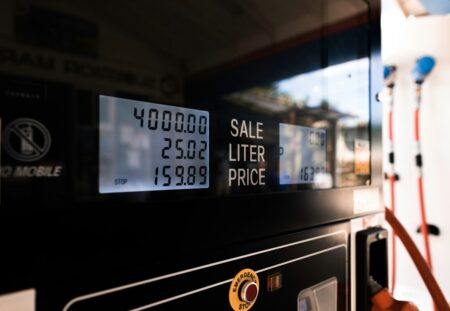
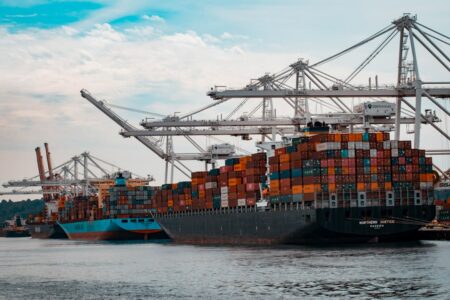
“With rising oil prices and now wheat prices shooting higher, we are likely to see a spike in the price of food and energy products. With global supply chain bottlenecks too being exacerbated by the war and likely to add even more upward pressure on inflation.”
Other details from the GDP report:
-
Household spending jumped by 6.3%, adding 3.2 percentage points to quarterly GDP
-
Household spending in NSW, Victoria and the ACT — which emerged from lockdown — rose 9.6%, compared with 1.6% elsewhere
-
The national household savings rate fell to 13.6% from 19.8%
-
Compensation of employees advanced by 2%, reflecting both increased hours worked and employment
-
The rise in household final consumption expenditure was partly offset by a 1.4% fall in private investment which was hit by shortages of labor and construction materials.
Most Read from Bloomberg Businessweek
©2022 Bloomberg L.P.

Source link