



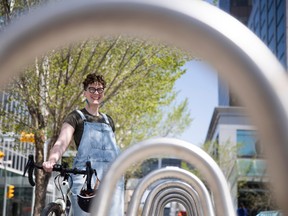
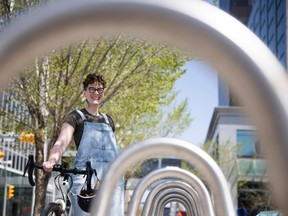
The local bike advocacy group is currently running an online public engagement survey, asking how people feel about riding a bike in Regina.
McLaughlin said the goal is to understand the travel habits of the average two-wheeled commuter: what streets they’re using, what streets they aren’t, and where they wish they could be to simplify their commute.
“Anyone can take it whether they’re a cyclist or not,” she said, adding that the group also wants to gauge why people aren’t choosing to cycle, and why.
All response data collected will be shared with city planners, said McLaughlin, as Bike Regina regularly meets with the city in consultation on the City of Regina’s evolving Transit Master Plan.
In addition to a questionnaire, Bike Regina is also hosting an interactive Google map, asking respondents to identify the red and green flags in their commutes for others to see.
“This is how we know what gaps to fill in our network,” said McLaughlin. “If there’s a safety issue, and that’s the reason you’re not cycling, that’s the easiest way to reverse it.”
As someone who commutes daily on two wheels herself, McLaughlin said there has been improvement in the past few years, but the city still lacks a comprehensive network of routes that would make commuting by bicycle easier.
“Regina is, depending on where you are, an unfriendly to medium-friendly city,” she said.
More people are interested in cycling as a transit option, but McLaughlin said there’s still plenty of barriers making it a more difficult way to travel.
While many use and appreciate the existing network of cycling-friendly routes criss-crossing the city — like the multi-use trails that span the city from northwest to southeast — McLaughlin said they are limited and indirect.
Depending on the destination, using strictly bike paths, trails or streets with designated bike lanes can as much as double a person’s commute time.
“The infrastructure isn’t often built for direct links between home and work, or home and errands, or school,” she said. “It just doesn’t cover a lot of the city.”
And, she added, openly sharing the road with motorists can be harrowing, even for the most avid cyclists. Safety is a common concern expressed, she said.
“Nearly getting buzzed on the way to work, cars passing you unsafely, getting sworn at regularly,” she listed, as being regular occurrences. “It has been zero days since a near miss.
The city has added some bike lanes, both protected and open, in the past few years but McLaughlin said there’s more to be done before Regina cyclists are as mobile as cars.
She described recent projects like the advisory bike lanes painted down 14th Avenue as “low-hanging fruit” projects that are a good first step to expanding the safety network for cyclists.
“It was easy and quick to implement, and began to grow that culture and acceptance of installing bike infrastructure,” McLaughlin said.
McLaughlin said that adding more protected bike lanes to busy roads, like the ones installed on Pasqua Street, is on the radar, but improving safety can be even simpler.
Painting bike lanes in slower traffic zones, making crosswalk buttons accessible from the street, or prioritizing road maintenance and snow clearing on popular cycle routes would all be improvements.
“There are (crosswalk) cyclist signals, detectors the same way there are detectors for cars, so investing in those might be an interim step to explore,” she said.
Bike Regina is looking to advocate for these types of infrastructure, but first wants to understand where such things would be most valuable.
“It’s how we can pinpoint where we’re observing issues.”
The advocacy group last did an informative survey in 2019, gathering responses from approximately 600 people. This year’s goal is to match that engagement, or exceed it, said McLaughlin.
The survey is available online until May 31.