


:format(webp)/https://www.thepeterboroughexaminer.com/content/dam/thepeterboroughexaminer/news/peterborough-region/2022/09/16/bivalent-vaccine-offers-double-protection-peterborough-medical-officer-of-health-explains/piggott.jpg)
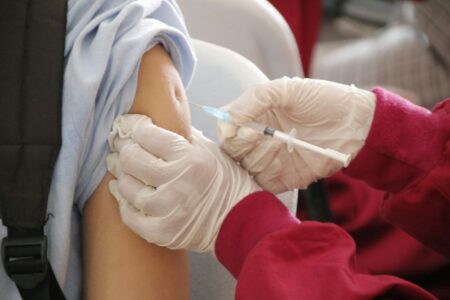
The new bivalent vaccine against COVID-19 is available in Peterborough now as a booster shot.
At least 200 local residents from high-risk groups have already had the shot. Everyone 18 and older will become eligible to book an appointment for it as of Sept. 26.
On Thursday afternoon, medical officer of health Dr. Thomas Piggott went live on Instagram to answer questions from citizens about the new vaccine.
Here are some highlights:
Q: What is a bivalent vaccine anyway? What does the word ‘bivalent’ even mean?
A: “It means it (the vaccine) has got two strains of COVID-19 protection in it,” Piggott said.
He said it protects against the original strain that began circulating in December 2019 (same as the vaccine we’ve had for the last 18 months), and it also protects against the Omicron variant BA. 1.
“In creating the protection against both, the anticipation is that it will be more effective and helpful in preventing infection.”
Q: So does that mean this vaccine will offer nearly absolute protection against infection?
A: Piggott said that isn’t exactly clear, yet.
When the first (monovalent) vaccines came out in January 2021, he said, studies showed them to reduce infection by about 95 per cent.
But that was when only the original strain of COVID-19 was circulating — no variants, yet.
“When some of the variants started emerging, they started escaping your immune system — and even with vaccination, there could be a spread of infection. There was a reduction (in infection), but it was much smaller: maybe about 20 to 30 per cent, instead of that 95 per cent,” Dr. Piggott said.
He added that scientists anticipate this new bivalent vaccine “will still be very effective” in protecting people against severe disease and death from COVID-19, but it’s unknown yet whether it will reduce infection by 95 per cent.
Q: Is the bivalent vaccine safe?
A: Yes, said Piggott.
“The safety is very much the same as with the monovalent vaccine, which is now known to be safe: More than 10 billion doses given worldwide. With this vaccine, we are confident that COVID-19 vaccines are safe,” he said.
Q: Can you get the bivalent vaccine in Peterborough yet?
A: Yes, Piggott said it’s been it’s been offered all week by Peterborough Public Health (about 200 local people had received it by Wednesday).
As of this week you were eligible to make an appointment if you are:
- 70 years of age or older (born in 1952 or before)
- A First Nations, Inuit, or Métis adult (18-plus) or a household member (18-plus) of someone fitting that criteria
- A health-care provider (18-plus)
- Pregnant (18-plus)
- Living in long-term care, a congregate setting, a retirement home or elder care lodge
- Immunocompromised (12-plus)
Starting Sept. 26, you will be eligible to receive a bivalent vaccine locally if you live in the Peterborough area and you are 18 or older.
Q: How soon after my last booster can I book my bivalent vaccine?
A: Piggott said the National Advisory Committee on Immunization (NACI) recommends waiting six months after the last booster shot before receiving the new bivalent booster.
“And that’s because there’s good evidence that protection (from your previous booster) should last six months,” he said.
“If it’s been more than six months since your third of fourth dose, then you should come forward for an additional booster this fall. And that will most likely be a bivalent vaccine.”
However, he also said it is possible to receive a bivalent booster sooner: the provincial government will allow it 84 days following your last booster.
Piggott said that if you have medical risk factors, for example — or you live with someone who does — you may want to speak to your health-care provider about shortening the time between a booster and a bivalent vaccine.
However that won’t be for everyone.
“Generally I still support the recommendation that NACI has, that the six-month time period is probably the right point to get a booster,” Piggott said.
Q: What if it’s been six months since my last booster but I’ve had COVID-19 lately? Should I book a bivalent booster now?
A: Wait a bit.
“The recommendation is to wait three months or more” after a COVID-19 infection before getting this bivalent booster,” Piggott said.
He said that’s because people are “less likely” to experience a recurrence of COVID-19 within three months of an infection.
Piggott also said that waiting awhile can offer the best protection possible from the vaccine.
“Waiting that three months is going to mean you’ll have a stronger immune response from the vaccine — and the protection will last longer,” he said.
Q: Can I get both an influenza vaccine and a bivalent COVID-19 booster this fall?
A: Yes, although Piggott said it’s best to wait two weeks after receiving one vaccine before receiving the other.
He also said influenza could resurge this season in Peterborough.
“Flu is likely going to make a significant comeback — so make sure you get your flu vaccine when it’s available, which will be later this fall.”
The full 33-minute video can be viewed at instagram.com/p/CiirYAZJNtC/
People can book appointments online at book appointments online at covid-19.ontario.ca/book-vaccine or by calling 1-833-943-3900. Participating local pharmacies also offer doses by appointment.
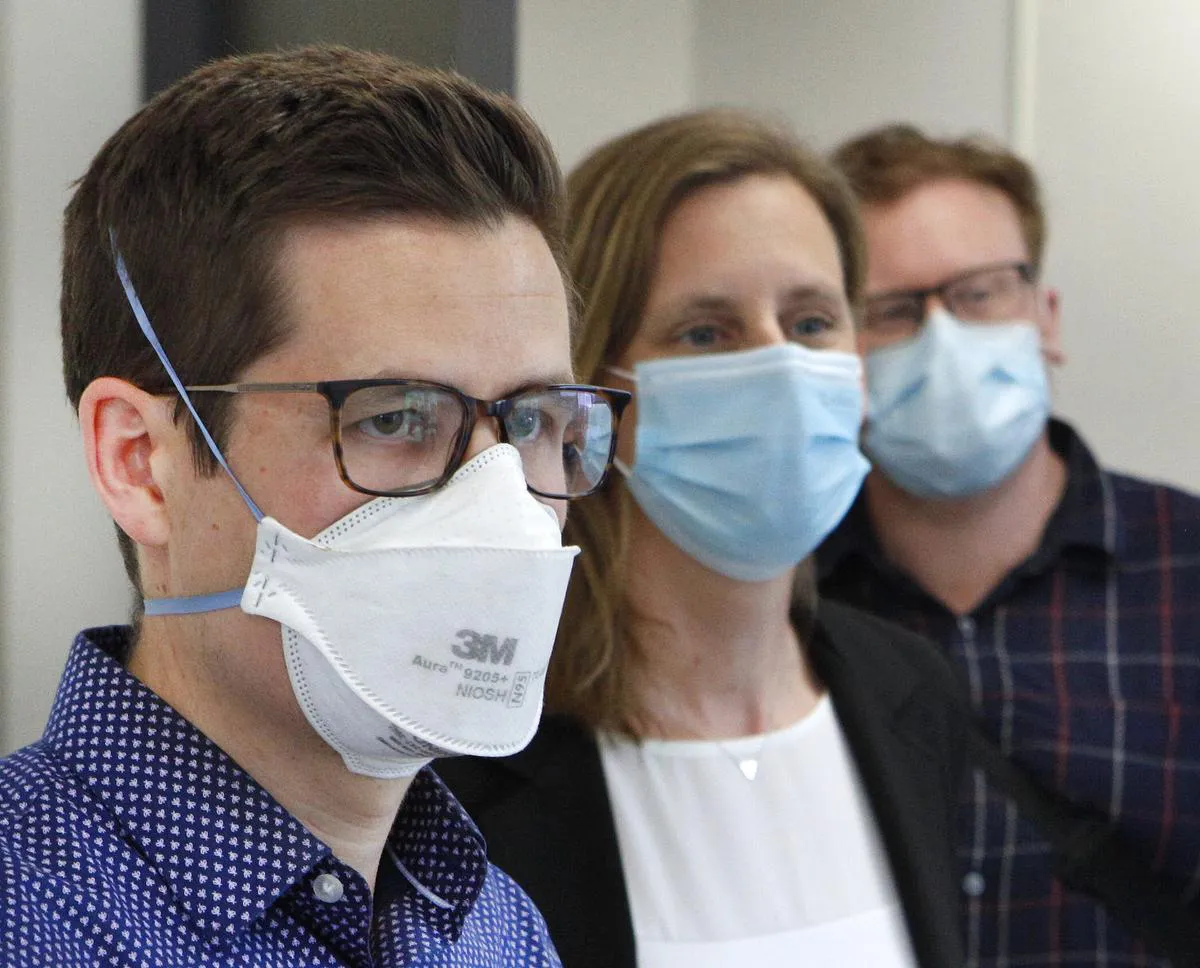
The health unit’s vaccine clinic is located on the lower level of Peterborough Square. The health unit requires mask to be worn at the clinic. Walk-ins are not being accepted for now.
There is a clinic for people 12 and older on Tuesday from 9 a.m. to 4 p.m. Pediatric doses are only available next week locally from local pharmacies or health-care providers.

Follow Canada News Media
Get the day's top Canadian stories and our two daily 60-second news videos wherever you scroll.
X Threads Facebook Instagram LinkedIn TikTok YouTube Pinterest Reddit Substack Flipboard Newsletter RSS