


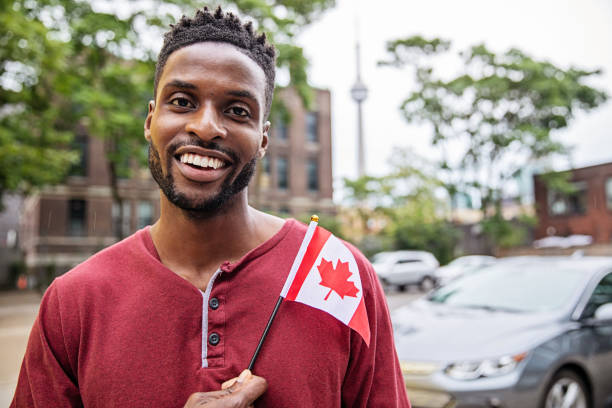
Valentine’s Day has become a popular celebration of love, romance, and affection across the world, and Black Canadians, like many others, have embraced this day in unique and culturally meaningful ways. The Black Canadian history of Valentine’s Day is not just about the typical gestures of chocolates, flowers, and cards—it is also about resilience, community love, and how the holiday has intersected with the African diaspora’s values and struggles. For many Black Canadians, Valentine’s Day has been an opportunity to celebrate love, family, and friendship, while also acknowledging the historical and ongoing challenges they face in Canadian society.
In this article, we explore the history of Valentine’s Day within Black Canadian communities, share how they celebrate, and reflect on the deeper meanings of love, resilience, and community. Through the voices of Black Canadians across generations, we gain insights into how this day is more than a commercialized holiday; it’s a time to honor love in all its forms—romantic, familial, and communal.
Historically, Black Canadians have been navigating their identities and cultural expressions within a country that has often marginalized them. The roots of the Black Canadian community go back to the arrival of Black Loyalists in Nova Scotia in the 18th century, as well as the Underground Railroad, which brought enslaved Africans to freedom in Canada. For many, the history of Black Canadians is one of survival, resistance, and the preservation of cultural traditions in the face of systemic oppression.
Valentine’s Day entered Black Canadian communities as part of broader Western customs, but it wasn’t simply adopted without reflection. Instead, the day has been integrated into existing cultural practices and has taken on new meanings in light of the Black Canadian experience.
Dr. Afua Cooper, a prominent historian and author who specializes in the history of Black Canadians, explains: “For Black Canadians, Valentine’s Day has often been about more than romantic love. It’s a day that reminds us of the importance of love as a form of resistance. In a society where Black people were, and still are, marginalized, the celebration of love within families and communities became a powerful act of defiance.”
Dr. Cooper emphasizes that love in Black Canadian communities has always been about survival: “Throughout history, Black Canadians have had to create their own spaces of love and belonging because mainstream society did not always accept them. Valentine’s Day, while a Western holiday, became another opportunity to show love, not just romantically, but in ways that honored the family, community, and collective struggle.”
For many Black Canadians, Valentine’s Day has evolved into a celebration of community love as much as romantic love. In many households, the day is used to express gratitude, affection, and appreciation for family members, elders, and friends. It becomes a time to reflect on the importance of nurturing supportive relationships within the community.
Karen Anderson, a Black Canadian mother of two from Toronto, reflects on how she has celebrated Valentine’s Day with her family: “For me, Valentine’s Day has always been about showing love to my children and my community. My kids make cards not just for their friends at school, but for their grandparents and aunties. We cook a big family meal and share stories. It’s a time to talk about love in all its forms—romantic, yes, but also the love we have for our family, our community, and ourselves.”
For many Black Canadians, the holiday offers a chance to bring generations together and pass down values related to love, respect, and unity. Andre Williams, a Black elder from Halifax, shares how Valentine’s Day was celebrated in his childhood: “Growing up, Valentine’s Day wasn’t about fancy dinners or gifts. My mom would bake something sweet, and we would sit together as a family, laughing and telling stories. It was a simple way to show love and appreciation for one another. That’s what Valentine’s Day has always meant to me—love rooted in family.”
The Black Canadian experience has long been shaped by resistance to systemic racism, and in this context, love has been a crucial element of healing and resilience. For many Black Canadians, Valentine’s Day serves as a reminder of the importance of love not just in romantic partnerships, but in the larger fight for justice, equality, and recognition.
Jade Brooks, a Black activist and community organizer from Montreal, connects the holiday to the broader concept of love as a tool for resistance: “In our community, love has always been a radical act. The ability to love ourselves and each other in a society that has often tried to diminish us is powerful. Valentine’s Day, for me, is a time to reflect on the ways we can use love to uplift each other, support each other, and keep fighting for justice.”
Brooks emphasizes that love is essential to the ongoing fight for Black liberation: “When I think of Valentine’s Day, I think of the love that fuels our activism—the love we have for our community, the love we have for those who came before us, and the love we have for future generations. It’s not just about celebrating with a partner; it’s about using love as a foundation for the work we do to build a better world.”
While Valentine’s Day has evolved into a celebration of community love for many Black Canadians, it also holds a significant place in the recognition of Black romantic love. In recent years, movements like the “Black Love” movement have gained prominence, celebrating the beauty, strength, and resilience of Black romantic relationships.
Denise Francis, a relationship coach and founder of the Black Love Academy, speaks about the importance of honoring Black love on Valentine’s Day: “Black love is often underrepresented in the media, and that’s why Valentine’s Day can be an opportunity for us to celebrate and uplift Black couples. It’s about showing the world that Black love is strong, it’s beautiful, and it’s a source of empowerment. When Black couples celebrate love, they are defying stereotypes and reclaiming their narratives.”
Francis highlights the challenges that Black couples face in navigating systemic racism and societal pressures: “There are unique challenges that Black couples experience, whether it’s dealing with racism, financial inequality, or societal expectations. Valentine’s Day becomes a time to not only celebrate love but to also reflect on the resilience and strength it takes to build and sustain healthy relationships in the face of adversity.”
Valentine’s Day in Black Canadian communities is often marked by cultural expressions that reflect the diversity and richness of the African diaspora. From music to food to fashion, Black Canadians have found ways to make the holiday their own, incorporating elements of their heritage into the celebrations.
In some communities, Valentine’s Day is an opportunity to showcase traditional foods from the Caribbean, Africa, and other parts of the diaspora. David Johnson, a chef from Ottawa, shares how food plays a central role in his family’s celebrations: “In my family, we cook dishes that remind us of our roots—jerk chicken, oxtail, plantains. Valentine’s Day is a chance for us to come together and share food that has been passed down through generations. It’s a way to express love and to stay connected to our culture.”
Music also plays an important role in the celebration of Valentine’s Day. In many Black households, the sounds of jazz, R&B, soul, and reggae fill the air, creating a soundtrack for the day’s celebrations. Marie Thomas, a Black Canadian DJ and music producer from Vancouver, shares how music sets the tone for Valentine’s Day: “For me, Valentine’s Day isn’t complete without the right music. Whether it’s classic love songs from legends like Marvin Gaye and Al Green, or newer artists like H.E.R. and Daniel Caesar, music has a way of bringing people together and creating an atmosphere of love.”
For many Black Canadians, Valentine’s Day is also a time for self-reflection and personal growth. In a society that often places pressure on people to be in romantic relationships, Black Canadians are increasingly using Valentine’s Day to focus on self-love, mental health, and personal development.
Tanya Stephens, a mental health advocate and therapist, speaks about the importance of self-love, particularly for Black women: “Valentine’s Day can be a difficult time for people who feel pressure to be in a relationship. But I encourage Black women to use this day to practice self-love. Whether it’s taking time for yourself, journaling, or doing something that brings you joy, it’s important to remember that love starts within. You can’t pour from an empty cup.”
Stephens emphasizes that self-love is a form of resistance in a world that often marginalizes Black women: “As Black women, we face so many challenges—racism, sexism, colorism. Practicing self-love is an act of defiance. It’s saying that we are worthy of love, care, and respect, regardless of what society tells us.”
While Valentine’s Day is often seen as a lighthearted holiday, for Black Canadians, it can also be a time to reflect on the broader issues of inequality and systemic racism. Many are using the holiday as a platform to raise awareness about social justice issues and to advocate for change.
Michael Clarke, a Black Canadian lawyer and activist, speaks about how Valentine’s Day can be used to spark conversations about systemic injustice: “Love is about more than just personal relationships—it’s about justice, equity, and fairness. On Valentine’s Day, we should be thinking about how we can create a society where everyone is treated with love and respect. That means addressing issues like police brutality, economic inequality, and discrimination
Follow Canada News Media
Get the day's top Canadian stories and our two daily 60-second news videos wherever you scroll.
X Threads Facebook Instagram LinkedIn TikTok YouTube Pinterest Reddit Substack Flipboard Newsletter RSS