





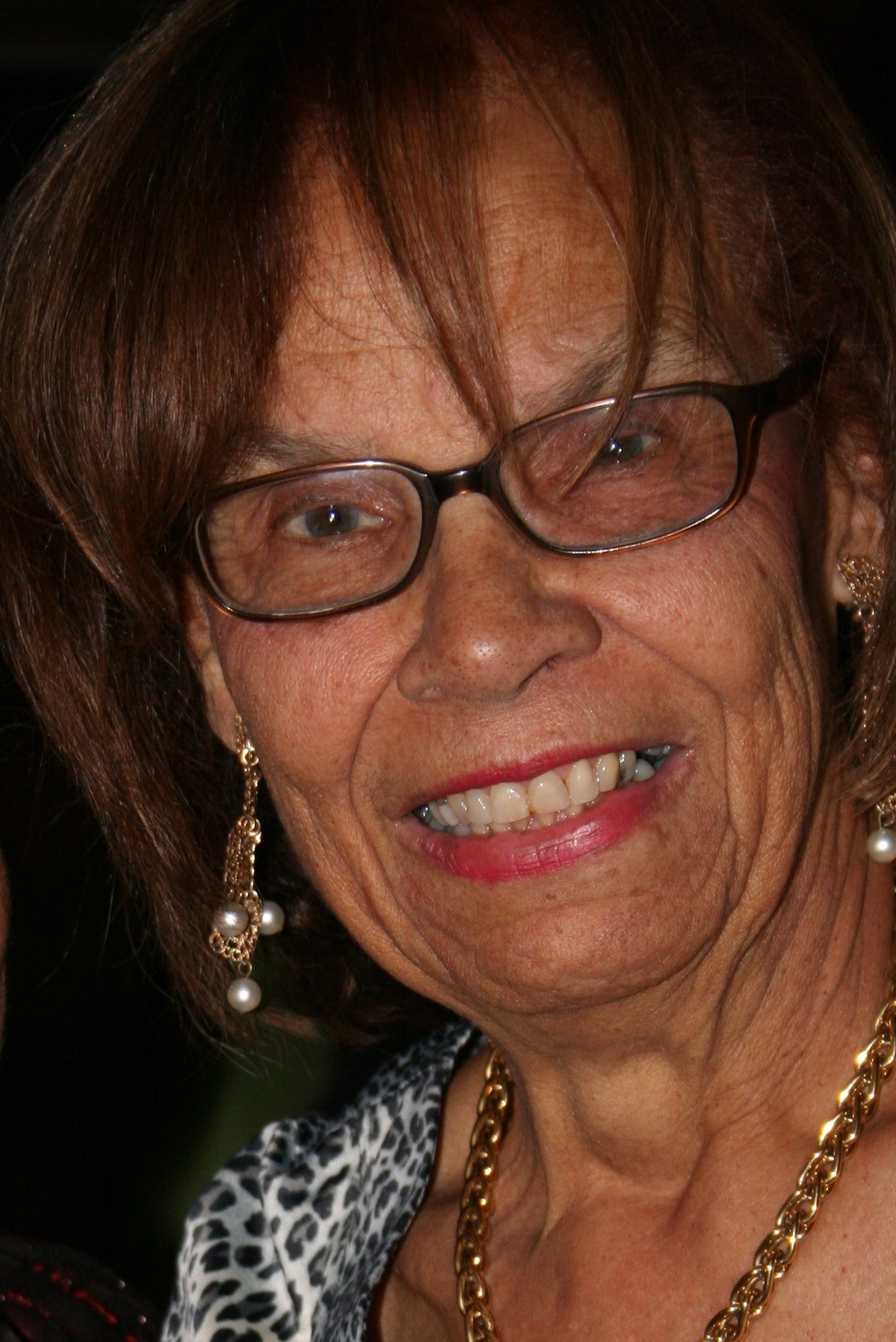
As we reflect on Black History Month in 2025, it is crucial to spotlight individuals whose contributions to the fight against racial discrimination have shaped Canada’s legal and social landscape. One such individual is Gloria Leon Baylis, a British-trained Caribbean nurse and civil rights advocate whose landmark legal case against Hilton of Canada in the 1960s marked a turning point for racial equality in employment. Gloria Baylis not only fought a courageous battle in the courtroom but also left a legacy of advocacy that resonates strongly in today’s struggles for justice, equity, and inclusion.
The Early Life of Gloria Baylis
Born on June 29, 1929, in Barbados, Baylis grew up in a middle-class family that valued education as a path to progress. She pursued her nursing education in England and eventually migrated to Montreal, Canada, in 1952, where she encountered the systemic racism prevalent at the time. Despite her impressive qualifications, Baylis faced disparities in pay compared to her white colleagues, but she continued her nursing career with unwavering dedication. Little did she know that a simple job application in 1964 would ignite a battle for civil rights that would last over a decade and leave an indelible mark on Canadian history.
The Queen Elizabeth Hotel Case: A Landmark in Canadian History
In 1964, Gloria Baylis applied for a part-time nursing position at the prestigious Queen Elizabeth Hotel (QEH) in Montreal. The hotel, operated by Hilton of Canada, was one of the most notable establishments in the city. Despite her qualifications and experience, Baylis was denied the position. This act of discrimination occurred shortly after the introduction of the Act Respecting Discrimination in Employment in Quebec, a law designed to prevent such acts in the workforce.
Rather than accepting the injustice, Baylis, with the support of the Negro Citizenship Association, filed a complaint against Hilton of Canada, sparking a legal battle that would last 11 years. The case, Her Majesty v. Hilton, became a groundbreaking moment in Canadian history, culminating in the 1977 ruling by the Court of Appeal of Quebec, which found Hilton guilty of racial discrimination in employment. This was the first instance in Canadian history where an institution was found guilty of such discrimination, and it set a powerful precedent for future cases.
While the hotel was fined only $25—a paltry sum even for that time—the significance of the case far outweighed the financial penalty. It marked a victory for civil rights in Canada and exposed the racial inequities that Black Canadians were facing in their pursuit of employment. The decision sent a message that the systemic exclusion of Black Canadians from the workforce would no longer go unchallenged.
Gloria Baylis: A Voice for Justice
Throughout the trial and after its resolution, Gloria Baylis became a prominent voice in the fight for racial justice. She was unafraid to challenge institutions, regardless of their size or power, and her advocacy inspired many other Black Canadians to demand their rights. Her determination to fight for justice, even when the odds were against her, highlighted the resilience and strength of the Black community in Canada.
In an interview with Baylis’ daughter, Sharon Baylis, she reflected on her mother’s legacy: “My mother was not just fighting for herself; she was fighting for an entire generation of Black Canadians who were denied opportunities based on the colour of their skin. She knew that her victory was not just personal but something that would pave the way for others to claim their rightful place in society.”
Sharon’s words echo the broader impact of Gloria Baylis’ work. While the $25 fine may seem insignificant, the real victory lay in the social and legal precedent that it set. Her case helped bring racial discrimination in the workforce to the forefront of Canadian society.
The Ongoing Fight for Equality
Despite the progress made in the fight against racial discrimination since the 1960s, Black Canadians still face systemic barriers in employment, housing, healthcare, and education. The legacy of Gloria Baylis serves as both a reminder of how far we’ve come and how much further we have to go. As we celebrate Black History Month in 2025, we must also recognize the ongoing struggles that Black Canadians face in their fight for equality.
One of Baylis’ greatest contributions was her refusal to accept the status quo. Today, Black Canadians continue to face significant wage gaps, underrepresentation in leadership positions, and disparities in access to healthcare and education. A recent report from the Canadian Centre for Policy Alternatives revealed that Black Canadians earn 25% less than their white counterparts, even when they have similar qualifications. These statistics remind us of the importance of advocating for systemic change and confronting the ingrained prejudices that persist in Canadian society.
To understand the continued impact of Baylis’ work, I spoke with several Black Canadians about how her fight against racial discrimination continues to inspire them today.
Marcia Johnson, a Black nurse in Toronto, shared: “Gloria Baylis was a trailblazer. As a Black woman working in healthcare, I know firsthand the struggles that come with being treated as less than because of the colour of my skin. Baylis stood up not only for herself but for all of us. Her story reminds me to keep pushing for change in an industry that is still far from equitable.”
Similarly, Tyrone Baker, an activist and organizer with the Black Lives Matter movement in Vancouver, reflected: “When I look at the story of Gloria Baylis, I see a woman who refused to let institutional racism dictate her path. Her case was a powerful reminder that if we don’t challenge these systems, they’ll continue to oppress us. The fight she led decades ago is the same fight we’re leading today, whether it’s against police brutality, employment discrimination, or underrepresentation in politics.”
Baylis’ victory was monumental, but it was only one step in a much larger journey toward racial justice. Today, as we reflect on Black History Month 2025, we must continue to advocate for policies that promote Black excellence and ensure equal opportunities for all Canadians, regardless of race. This includes supporting initiatives that uplift Black entrepreneurs, creating spaces for Black professionals to thrive, and ensuring that educational institutions address the historical and ongoing impacts of racism.
One such initiative is the Canadian government’s Black Entrepreneurship Program, which aims to address systemic barriers Black business owners face and provide funding, mentorship, and resources to support their growth. However, many Black Canadians feel that more needs to be done to dismantle systemic racism.
Marie-Claire Bissonnette, a Black entrepreneur in Montreal, said: “While programs like the Black Entrepreneurship Program are a step in the right direction, they don’t go far enough to address the deep-rooted issues that Black Canadians face in the business world. We need more than just financial support; we need systemic change in how Black Canadians are treated in every aspect of society.”
The legacy of Gloria Baylis is one of courage, resilience, and determination. As we celebrate Black History Month in 2025, we remember the battles she fought and won, and we acknowledge that the fight for racial justice in Canada is far from over. Baylis’ story reminds us that progress is possible, but it requires collective action, unwavering determination, and a refusal to accept injustice.
In the words of Sharon Baylis: “My mother’s fight wasn’t just for her. It was for all of us. And while we’ve made progress, we can’t afford to be complacent. The work isn’t done yet.”
As we look to the future, it is up to all Canadians to continue Gloria Baylis’ legacy by challenging systemic racism, advocating for equal opportunities, and ensuring that future generations of Black Canadians do not have to fight the same battles. The fight for justice is ongoing, and with the spirit of Gloria Baylis guiding us, we must remain committed to creating a more equitable Canada for all.
Follow Canada News Media
Get the day's top Canadian stories and our two daily 60-second news videos wherever you scroll.
X Threads Facebook Instagram LinkedIn TikTok YouTube Pinterest Reddit Substack Flipboard Newsletter RSS