


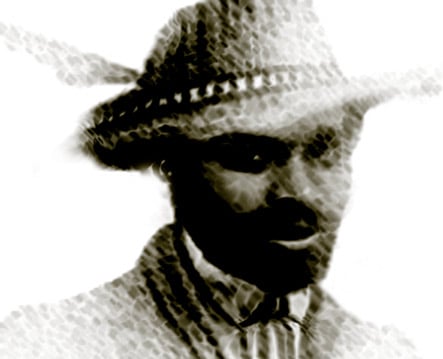
The first person of African heritage known to have come to what is now Canada arrived over 400 years ago. In 1604, Mathieu Da Costa arrived with the French explorers Pierre Du Gua De Monts and Samuel de Champlain. Da Costa, a multilingual interpreter who spoke English, French, Dutch, Portuguese, and Pidgin Basque, provided an invaluable link with the Mik’maq people encountered by the Europeans.
In 1628, Olivier LeJeune was recorded as the first enslaved African to live in Canada (i.e. New France). Olivier LeJeune’s birth name is not known, as he was taken from Africa as a young child and eventually given the last name of the priest who purchased him.
In May 1689, following complaints about labour shortages in New France, King Louis XIV of France gave permission for the colonists to enslave Pawnee Native Americans and Africans.
1600s: Paving the Way
- Mathieu Da Costa (1604): The first person of African heritage in Canada, Da Costa played a crucial role as a multilingual interpreter for French explorers.
- Olivier LeJeune (1628): Recorded as the first enslaved African in Canada, his story reflects the early history of African presence in the region.
- King Louis XIV’s Permission (1689): Labour shortages led to the enslavement of Pawnee Native Americans and Africans, reflecting the early acceptance of slavery in New France.
1700s: The Struggles of Enslavement
- Enslaved Population (1750): Halifax, Nova Scotia, saw about 400 enslaved and 17 free Black individuals. By 1767, there were 104 free Black persons in Nova Scotia.
- Black Loyalists (1775-1783): The War of American Independence led to the migration of Black Loyalists to Nova Scotia, founding settlements facing discrimination.
- Upper Canadian Act (1793): Inspired by Chloe Cooley’s resistance, the Act prevented the further introduction of slaves to Upper Canada, marking a significant step towards abolition.
1800s: Building Communities
- Underground Railroad (1800-1865): About 30,000 Black individuals arrived in Canada, seeking freedom through this network of secret routes and safe houses.
- Abolition of Slave Trade (1807): The Act on the Abolition of the Slave Trade in the British Empire marked the end of the transatlantic slave trade.
- War of 1812 and Black Communities: Black Canadians, such as the Coloured Corps, played pivotal roles in the War of 1812, receiving land grants afterward.
- Abolition of Slavery (1833): The Act on the Abolition of Slavery in the British Empire brought an end to enslavement in most British colonies, including Canada.
- Abolitionist Newspapers (1851-1853): The Voice of the Fugitive and the Provincial Freeman were founded, contributing to the global anti-slavery movement.
- Black Californians in Vancouver Island (1858): Facing racial conditions in San Francisco, nearly 800 free Black individuals migrated to Vancouver Island for a new life.
- Black Immigration to Alberta (1879): Black communities moved to Alberta from Oklahoma, escaping racial discrimination and Ku Klux Klan threats.
1900s: Shaping Canadian Identity
- Formation of Organizations: Black communities initiated organizations and institutions, fostering unique Canadian identities.
- Immigration Policies (20th Century): Reformations in immigration policies paved the way for more Black communities in Canada.
Today: Celebrating Contributions
- Black Canadians’ Impact: Over four centuries, people of African and Caribbean descent have shaped their identities while contributing significantly to Canadian society.
As Canada commemorates Black History, it is an invitation for all to delve into these histories and heritages, fostering a broader understanding of Canada’s diverse identity throughout the year.
Follow Canada News Media
Get the day's top Canadian stories and our two daily 60-second news videos wherever you scroll.
X Threads Facebook Instagram LinkedIn TikTok YouTube Pinterest Reddit Substack Flipboard Newsletter RSS