

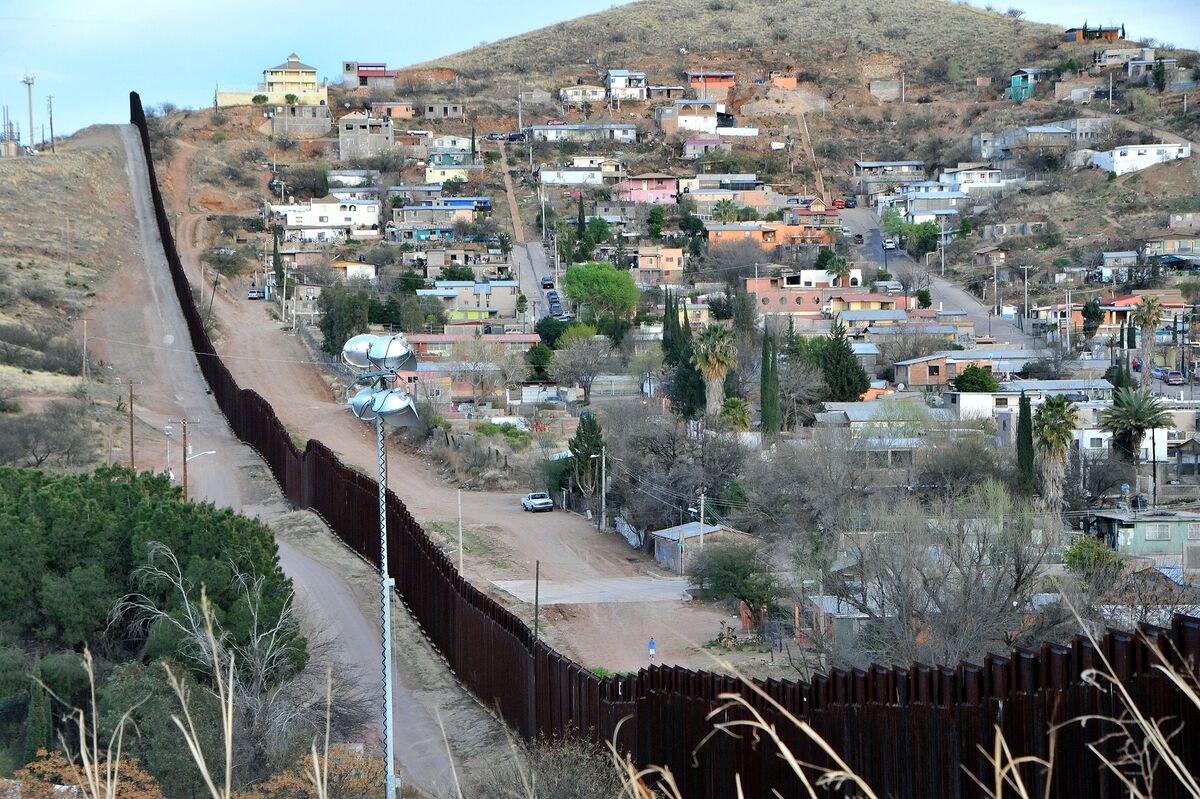
Global consensus has clearly shifted in the past several years away from the idea that international trade should be as frictionless as possible. Protection in at least some form is widely favored in a way that wasn’t the case a decade ago—if only in the name of boosting supply-chain resiliency in the face of shocks.
Even some free-trade advocates who championed China’s entry into the World Trade Organization at the start of the century now view things differently. Perceptions among working-class American voters that they have been ignored helped propel Donald Trump to the White House in 2016, changing the game for those favoring reduced trade barriers.

Follow Canada News Media
Get the day's top Canadian stories and our two daily 60-second news videos wherever you scroll.
X Threads Facebook Instagram LinkedIn TikTok YouTube Pinterest Reddit Substack Flipboard Newsletter RSS