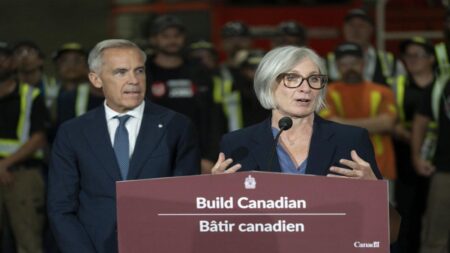






In a rapidly changing global landscape, Canada’s government is stepping up with a comprehensive fiscal strategy aimed at addressing immediate needs while laying the groundwork for sustainable economic growth. In this year’s budget release, key provisions have been outlined that seek to balance fiscal prudence with targeted investments in critical sectors, amid lingering uncertainties from the ongoing global challenges.
The State of Canada’s Economy
As of 2023, Canada’s economy has shown signs of resilience despite facing significant pressures from fluctuating commodity prices, supply chain disruptions, and the aftershocks of the COVID-19 pandemic. According to Statistics Canada, the economy grew by 3.5% in the last fiscal year. However, inflation rates, peaking at around 6%, have raised concerns about the cost of living, prompting the government to prioritize measures that can alleviate financial strain on Canadian families.
Key Highlights of the Fiscal Strategy
1. Focus on Health Care and Mental Health Services
One of the standout elements of this fiscal strategy is a robust investment in health care, particularly mental health services. With many Canadians experiencing anxiety and depression exacerbated by the pandemic, the budget allocates $3 billion over five years to expand access to mental health services.
Federal Health Minister Jean-Yves Duclos stated, “This investment will allow provinces and territories to enhance their mental health programs and ensure that support is accessible to every Canadian.” This initiative is part of a broader aim to relieve pressure on hospitals and improve community health resources, making it a strategic choice given current public health challenges.
2. Green Energy Investments
In line with Canada’s commitment to combat climate change, the budget announces plans for $10 billion in green energy initiatives. These investments will focus on renewable energy sources, including solar and wind projects, an expansion of public transportation, and incentives for electric vehicle purchases.
Environment Minister Steven Guilbeault emphasized the importance of transitioning towards a green economy, stating, “This investment is not only about fighting climate change but also about creating jobs and ensuring a sustainable future for our children and grandchildren.” Analysts believe that these initiatives will help stimulate job growth in the green sector while also meeting Canada’s emission reduction targets.
3. Supporting Small Businesses
Small businesses have been hit harder than most by the pandemic, and the budget seeks to provide relief through various support measures. This includes extending the Canada Emergency Wage Subsidy (CEWS) for struggling sectors and introducing a new program aimed at helping businesses adopt digital technologies.
The Canadian Federation of Independent Business (CFIB) welcomed these measures, arguing that they are crucial for the recovery of many small enterprises. CEO Dan Kelly mentioned, “Our small businesses are the backbone of the Canadian economy, and continued support will be critical for maintaining jobs and driving economic recovery.”
4. Investments in Infrastructure
The budget also outlines a significant commitment to infrastructure spending, totaling $25 billion over the next five years. This funding will be directed toward vital projects such as public transit, affordable housing, and clean water access in Indigenous communities, all of which are essential for fostering long-term economic stability.
Infrastructure Minister Catherine McKenna articulated the government’s vision, stating, “Investing in our infrastructure is investing in our future. We can’t afford to ignore the needs of our communities.” The integration of sustainable practices in these projects is expected to create thousands of construction jobs while addressing pressing social needs.
Fiscal Responsibility Amidst Growth Strategies
While the budget is ambitious, concerns have arisen regarding Canada’s growing debt, currently estimated at $1.3 trillion. Critics argue that spending must be carefully managed to avoid compromising fiscal stability. The government projects that the budget deficit will shrink, moving to a deficit of $30 billion by 2025 due to economic growth and the anticipated closure of pandemic-related expenditures.
Finance Minister Chrystia Freeland reassured skeptics by emphasizing a balanced approach: “We will continue to invest in what matters most to Canadians while ensuring we manage our finances responsibly. These investments are necessary to boost our long-term growth potential.”
Looking Ahead
As Canada’s fiscal strategy unfolds, the government’s ability to manage immediate challenges while investing for the future will be crucial. Various sectors are bracing for the impact of these budget decisions, and the success of the initiatives will largely hinge on effective execution and collaboration among federal, provincial, and local governments.
Overall, the 2023 budget represents a forward-thinking approach with the potential to shape Canada’s economic landscape for years to come. Empowering health care, fostering green energy, supporting small businesses, and enhancing infrastructure are vital steps towards recovery and resilience, setting the stage for a sustainable and prosperous future.
Related Products
Follow Canada News Media
Get the day's top Canadian stories and our two daily 60-second news videos wherever you scroll.
X Threads Facebook Instagram LinkedIn TikTok YouTube Pinterest Reddit Substack Flipboard Newsletter RSS