


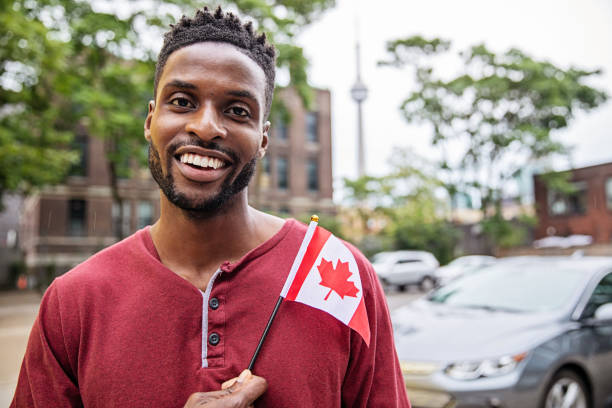
As Canada celebrates its 157th birthday on July 1st, it’s a time for reflection and recognition of the diverse communities that contribute to the fabric of this nation. Among these communities, Black Canadians have a rich history and a profound impact that deserves to be highlighted. This Canada Day, we delve into the contributions, achievements, and ongoing challenges faced by Black Canadians, offering a comprehensive view of their role in shaping Canada.
Historical Contributions and Achievements
Black Canadians have been an integral part of Canada’s history since the early 1600s. From Mathieu Da Costa, the first recorded Black person to set foot on Canadian soil, to the loyalists who sought refuge in Canada following the American Revolution, the contributions of Black Canadians have been foundational.
In the realm of civil rights, figures such as Viola Desmond, who challenged racial segregation in Nova Scotia, and the Hon. Lincoln Alexander, Canada’s first Black Member of Parliament and later the Lieutenant Governor of Ontario, have been pivotal. These trailblazers laid the groundwork for a more inclusive society, their legacies reminding us of the ongoing fight for equality and justice.
In contemporary times, Black Canadians continue to excel and contribute significantly across various fields. Dr. Mayann Francis, the first Black Lieutenant Governor of Nova Scotia, and Dr. Afua Cooper, a renowned historian and poet, are just a few examples of individuals who have made substantial impacts.
Current Challenges
While the contributions of Black Canadians are undeniable, it’s equally important to address the persistent challenges they face. Despite progress, systemic racism and economic disparities continue to affect Black communities disproportionately.
Economic Disparities: Black Canadians often face higher unemployment rates and are overrepresented in low-paying jobs. This economic inequality extends to housing, where discrimination can result in higher rates of homelessness and housing instability.
Systemic Racism: From education to healthcare, systemic racism remains a significant barrier. Black students frequently face lower expectations and higher disciplinary rates, contributing to educational disparities. In healthcare, Black Canadians often receive unequal treatment, affecting their overall health outcomes.
Mental Health: The mental health needs of Black Canadians are frequently overlooked. The stress from enduring systemic racism and economic challenges significantly impacts mental health, yet there remains a lack of culturally competent mental health services.
The Way Forward
Addressing these challenges requires a multifaceted approach:
- Policy Changes: Implementing policies that target economic disparities and systemic racism is crucial. This includes equitable employment practices, affordable housing initiatives, and inclusive educational policies.
- Community Support: Strengthening community organizations that support Black Canadians can foster resilience and empowerment. These organizations provide vital resources and advocacy, helping to address systemic issues from within the community.
- Representation and Awareness: Increasing positive representation of Black Canadians in media, politics, and cultural institutions is essential. This helps to combat stereotypes and provides role models for younger generations.
This Canada Day, while we celebrate the nation’s achievements, it’s essential to recognize and honor the contributions of Black Canadians. Their resilience, creativity, and leadership continue to shape Canada into a more diverse and inclusive society.
By acknowledging the past and addressing the present challenges, we can work towards a future where all Canadians, regardless of their race, have the opportunity to thrive. As we look to the future, let us commit to building a Canada that truly reflects the values of equality, diversity, and inclusion.
Follow Canada News Media
Get the day's top Canadian stories and our two daily 60-second news videos wherever you scroll.
X Threads Facebook Instagram LinkedIn TikTok YouTube Pinterest Reddit Substack Flipboard Newsletter RSS