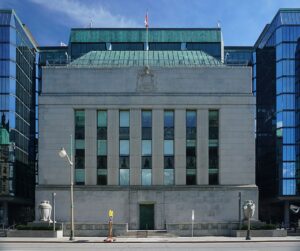


The union and the CRA previously agreed to resume negotiations with talks scheduled for April 17-20
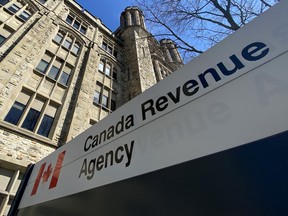
Workers with the Canada Revenue Agency (CRA) have voted overwhelmingly in favour of taking strike action, should a strike be determined necessary, after a two-month-long voting process.
The deadline for members to submit their votes was noon on Friday.
“We’re getting a strong strike mandate and it was fully expected, so I’m happy to see that our members have supported their bargaining team and our union,” said UTE National President Marc Brière in an interview with this newspaper. “It’s getting more expensive out there and people are having a hard time, and they have obligations to meet and they deserve to have a contract.”
PSAC and UTE launched nationwide strike votes for over 35,000 workers at the CRA in January after talks broke down with the government over wages and remote work, with the union declaring an impasse last September after eight months of negotiations. Union members, according to Brière, have been without a contract for almost a year and a half.
Tax collectors and auditors used to work alongside border services workers inside the Canada Customs and Revenue Agency, but that agency was split into two separate agencies in 2003.
Since then, Brière said in a previous interview with this newspaper, CBSA employees enforcing the Excise Act have opened a nine per cent wage gap with CRA employees who administer the Income Tax Act.
The CRA has in the past rejected that job comparison.
“We’ve been at the bargaining table with CRA for a little over a year now and things in that year haven’t gone well,” said PSAC National President Chris Aylward in an interview, stating that the government has yet to put a wage offer on the table. “The workers at CRA have sent a powerful message to the employer that they’re ready to take a stand and show the government that we’re prepared to fight for a decent contract for workers.”
Aylward could not share the exact results of the vote for and against strike action, but noted that more than half of the 35,000 CRA members took part in the process.
Last week, it was announced that PSAC-UTE and the CRA agreed to resume negotiations with the assistance of a third-party mediator to reach a fair contract for workers, with talks scheduled for April 17-20. While PSAC-UTE had asked the CRA to resume negotiations as early as April 11, the agency wanted to meet with the assistance of a mediator, who was unavailable until the following week.
Brière said the union is still open to going back to the table earlier, noting that the strike vote announcement should serve as a notice to both the CRA and the Treasury Board, which dictates the CRA’s bargaining mandate.
The earliest CRA members could go on strike is next Friday, according to Aylward, 30 days after the signing of an essential services agreement. That means that a strike could technically begin before negotiations resume.
Brière said he will have a “watchful eye” on another set of negotiations between the Treasury Board and PSAC that will continue to take place next week, as he said they will likely provide insights on how negotiations will go with CRA members. Strike votes for over 120,000 Treasury Board members end on April 11.
“If (negotiations) go really badly, nothing’s preventing us from going out on the Friday,” he said. “It’s possible but right now, it’s far from being sure, we’re looking to go back to the table.”
The agency is confident both sides can find “many areas of potential compromise and trade-off, requiring honest discussions and concessions by both sides.”
The deadline for most Canadians to file their taxes is on April 30. Aylward said going on strike is not the union’s first choice, though they will be leveraging the time of year in hopes of coming to an agreement with the federal government.
“We’re on the verge of having an unprecedented number of people with a strike mandate at the same time, especially during the tax season,” Brière said. “If they don’t want to deal with these issues and aren’t willing to work with us to hammer out a deal then we’re going to have to flex our muscles.”
With files from Andrew Duffy

Follow Canada News Media
Get the day's top Canadian stories and our two daily 60-second news videos wherever you scroll.