


Toronto, Canada- Many 2SLGBTQIA+ persons in Canada find themselves in one way or the other using substances primarily to help them feel good or better about their lives, help with life’s challenges or connect with others.
Alcohol and marijuana are the most used substances but poppers, cigarettes or vapes, psychedelics and crystal meth are also used.
According to Sex Now, Canada’s largest and longest-running survey of 2SLGBTQIA+ persons. In the past six months, 4 in 5 (82 percent) 2SLGBTQIA+ persons reported any alcohol use and 1 in 2 (53 percent) reported marijuana use, making them the two most used substances.
“We often use substances within sexual settings and to enhance our sexual experiences. About 1 in 4 2SLGBTQIA+ people reported using substances during sex in the last six months. Some did this once in a while (17 percent) while others did so daily or weekly (5 percent). Poppers, marijuana and alcohol were most common, but crystal meth, GHB and psychedelics were also often used during sex.
The need for substance use-related services varies across our communities, and those who seek them out still face barriers.
Most 2SLGBTQIA+ persons were not actively seeking to change their substance use, while about a third (31 percent) wanted to reduce or quit their substance use.
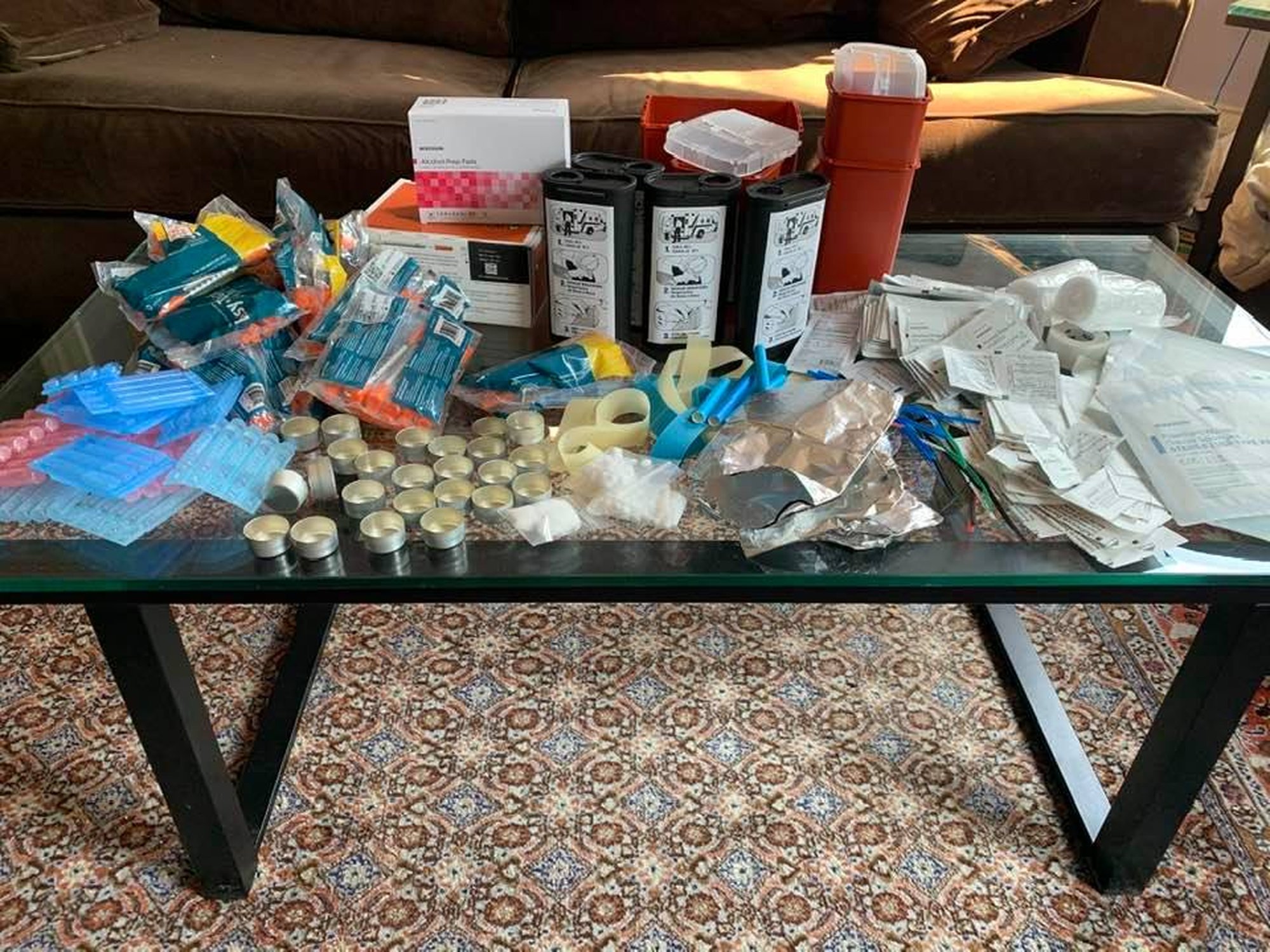
Among 2SLGBTQIA+ persons who used opioids, crystal meth or injection drugs, the need for harm reduction supplies and naloxone/NARCAN kits specifically was high. About 1 in 10 people who used crystal meth (11 percent) and those who used injection drugs (12 percent) reported barriers to accessing services.
Our communities engage with substances in unique ways and this influences how we access substance use-related supports. Given our intersecting identities, we need sex-positive, queer- and gender-affirming approaches to substance use services for 2SLGBTQIA+ people.
Improved access to harm reduction services must meet the needs of everyone in our communities, especially those further marginalized by their HIV or substance use status,” read a statement from Sex Now.
According to Sex Now, of the 5 808 who participated in the survey over 3 800 participants responded to the questions on substance use with the main focus being on the experiences of Indigenous, Black, trans and gender diverse people, people living with HIV, and people who use drugs.
In addition, Sex Now said these communities have been stigmatized and excluded when seeking access to substance use-related services.
Follow Canada News Media
Get the day's top Canadian stories and our two daily 60-second news videos wherever you scroll.
X Threads Facebook Instagram LinkedIn TikTok YouTube Pinterest Reddit Substack Flipboard Newsletter RSS