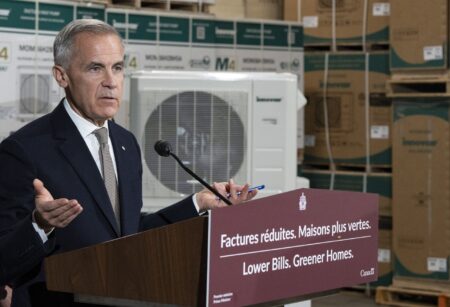



As the global economy continues to navigate a post-pandemic landscape, Canada’s economic outlook remains a focal point for analysts, policymakers, and the public alike. Recent reports issued by agencies such as the Bank of Canada and Statistics Canada have shed light on the country’s financial trajectory, outlining both challenges and opportunities that lie ahead. Here are key insights from these latest reports, offering a comprehensive overview of Canada’s economic landscape.
Inflation Trends and Monetary Policy
Inflation has held a prominent position in Canada’s economic narrative for the past few years, primarily driven by constraints in global supply chains and fluctuating commodity prices. As of mid-2023, the Consumer Price Index (CPI) indicated a slight easing of inflation rates, dropping to around 3.3%. The Bank of Canada recently noted that while this represents progress, it remains above the target of 2%.
The central bank’s response included a series of interest rate hikes aimed at tempering inflation. These adjustments have substantial implications for borrowing costs and consumer spending. Higher rates have impacted mortgage affordability, which in turn has cooled the once-booming housing market. Analysts predict that such tightening measures could persist into early 2024, depending on inflation trends and economic indicators.
Labour Market Dynamics
The Canadian labour market has demonstrated resilience post-COVID, with an unemployment rate hovering around 5.1%. However, regional disparities highlight contrasting economic conditions across the provinces. Cities like Toronto and Vancouver are grappling with a tight job market, while rural areas face higher unemployment rates. Moreover, sectors such as technology and clean energy are booming, while traditional industries like manufacturing contend with evolving demand.
Attracting skilled workers is essential for sustaining growth in these high-demand sectors. The recent report by the Canadian Federation of Independent Business (CFIB) underscores the ongoing labour shortages, suggesting that 77% of business owners struggle to find qualified staff. This challenge poses a significant risk to economic expansion, prompting conversations around immigration policies and educational reform to develop a talent-rich workforce.
Consumer Confidence and Spending
Consumer confidence plays a pivotal role in shaping Canada’s economic landscape. According to a recent survey conducted by the Conference Board of Canada, consumer sentiment improved slightly, with many individuals expressing optimism about employment prospects and future income. Nevertheless, rising interest rates and inflationary pressures have caused consumers to be more cautious about discretionary spending.
Retail sectors experienced fluctuations, with essential goods remaining stable while luxury items saw a downturn. The report revealed that consumers are prioritizing expenses on necessities, impacting overall retail sales. Businesses are adapting by offering promotions and loyalty programs to retain customer interest amidst these economic shifts.
International Trade and Geopolitical Factors
Canada’s economy is intricately linked to international trade, primarily with the U.S., which is its largest trading partner. The recent trade report indicates that Canada recorded a trade surplus in goods and services due to strong energy exports. However, geopolitical factors, such as tensions between the U.S. and China, complicate the landscape for Canadian businesses that rely on global supply chains.
Furthermore, the “Inflation Reduction Act” in the U.S. has implications for Canada’s energy and natural resources sectors. As the world pivots towards sustainability, Canadian companies are uniquely positioned to capitalize on green technology and clean resource management, potentially becoming a leader in the global transition to renewable energy.
Regional Economic Disparities
Economic growth is not uniform across Canada. Provinces like Alberta and Saskatchewan are benefitting from a rebound in the energy sector, while others like Ontario and Quebec face distinct economic challenges, including housing affordability and manufacturing adjustments. Government initiatives aimed at regional development are essential for addressing these disparities and fostering inclusive growth.
The Federal Government’s recent investments in infrastructure projects aim to boost local economies, enhance transportation networks, and create job opportunities nationwide. Emphasizing sustainable development could position Canada as a leader not only in the green economy but also in equitable economic growth.
Outlook for 2024 and Beyond
As Canada heads into 2024, key indicators suggest that while challenges remain, opportunities for growth abound. Economic diversification, technological advancement, and a commitment to sustainability are set to shape the landscape.
Experts believe that fostering innovation and enhancing productivity will be crucial in addressing lingering inflation issues and ensuring robust economic growth. Policymakers are urged to focus on creating a favorable environment for businesses while safeguarding the interests of consumers to maintain a balanced economic approach.
Conclusion
Canada’s economic outlook is a fusion of challenges and opportunities, where different sectors are influenced by global dynamics and local conditions. Stakeholders from government to industry must navigate these intricacies to build a resilient economy that not only recovers from past adversities but thrives in an ever-evolving landscape. The path forward hinges on adaptability, strategic planning, and a commitment to innovation in order to secure a prosperous future for all Canadians.
Related Products
Follow Canada News Media
Get the day's top Canadian stories and our two daily 60-second news videos wherever you scroll.