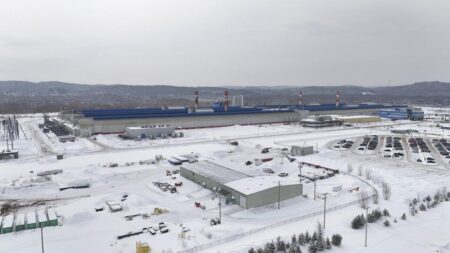






Canada’s manufacturing sector has displayed remarkable resilience and growth in recent years, bolstered by an array of factors both on the domestic and international fronts. As the economy recovers from the impacts of the COVID-19 pandemic, manufacturing is emerging as a pivotal player in the nation’s economic landscape. In this article, we delve into the key drivers of growth, emerging trends, and the challenges that lie ahead for this crucial sector.
The Current Landscape
According to the latest data from Statistics Canada, the manufacturing industry accounted for approximately 10% of the country’s GDP as of 2022. The sector employs over 1.7 million Canadians and encompasses a diverse range of industries, including automobile production, food processing, and high-tech manufacturing. Notably, the past year has seen an increase in output, with manufacturers reporting a 5.4% rise in activity in the first quarter of 2023 compared to the previous year.
Key Drivers of Growth
Several factors contribute to the robust growth of Canada’s manufacturing sector:
1. Technological Advancements
The integration of advanced technologies such as automation, robotics, and artificial intelligence has transformed manufacturing processes. Companies are increasingly adopting Industry 4.0 practices to enhance productivity and efficiency. For instance, the Aerospace sector in Quebec is leveraging innovative manufacturing techniques, allowing companies to produce high-quality components with reduced lead times and improved cost-effectiveness.
2. Demand for Sustainable Practices
There is a growing emphasis on sustainability, with consumers and businesses alike prioritizing eco-friendly products. Manufacturers are thus adopting sustainable practices to reduce waste and carbon emissions. The Canadian Plastics Industry Association has reported a push towards recycling and the use of biodegradable materials, which not only helps in meeting regulatory requirements but also boosts brand reputation among environmentally-conscious consumers.
3. Government Support
The federal government has been proactive in supporting the manufacturing sector through various initiatives. The introduction of the Advanced Manufacturing Supercluster program is a prime example, aimed at fostering innovation and collaboration among businesses. Grants and investment incentives have encouraged companies to upgrade their facilities and invest in research and development, thus positioning Canada as a global leader in manufacturing innovation.
Emerging Trends
The dynamic nature of the manufacturing sector is leading to several trends that are shaping its future:
1. Digital Transformation
The COVID-19 pandemic expedited the digital transformation of manufacturing. Companies are increasingly investing in digital tools for inventory management, supply chain tracking, and customer relationship management. A report by Deloitte indicates that digital manufacturing is expected to contribute over $30 billion to Canada’s economy by 2024, underscoring the importance of adopting technology in operational strategies.
2. Nearshoring
Amid global uncertainties, companies are reconsidering their supply chains. Nearshoring—relocating production closer to home—has gained traction as manufacturers seek to mitigate risks and reduce transportation costs. By moving production facilities to North America, manufacturers can enhance their supply chain resilience and ensure faster delivery times to customers.
3. Workforce Development
The evolution of the manufacturing sector demands a skilled workforce adept at managing advanced technologies. Ongoing partnerships between educational institutions and industry leaders are crucial to addressing skills gaps. Initiatives such as the “Manufacturing Skills Initiative” aim to equip workers with the necessary skills, ensuring a sustainable workforce is in place to support industry growth.
Challenges on the Horizon
Despite the positive outlook, Canada’s manufacturing sector is not without its challenges:
1. Supply Chain Disruptions
Global supply chain disruptions, exacerbated by the pandemic, continue to pose risks to manufacturers. Delays in the procurement of raw materials and components can hinder production timelines and impact profitability. Industry leaders emphasize the need for robust supply chain strategies to address these uncertainties.
2. International Competitiveness
As other nations ramp up their manufacturing capabilities, Canada must remain competitive on the global stage. Countries like the United States and Germany are investing heavily in advanced manufacturing technologies. For Canada to maintain its edge, it must continue to innovate and adapt to the changing landscape of global manufacturing.
Conclusion
Canada’s manufacturing sector stands at a critical juncture, characterized by steady growth driven by technological advancements, sustainability efforts, and robust government support. While the outlook remains promising, addressing challenges such as supply chain disruptions and international competition will be essential for sustaining this momentum. As the country moves forward, the manufacturing industry will play an integral role in shaping Canada’s economic future, driving innovation, and creating jobs for generations to come.
Related Products
Follow Canada News Media
Get the day's top Canadian stories and our two daily 60-second news videos wherever you scroll.
X Threads Facebook Instagram LinkedIn TikTok YouTube Pinterest Reddit Substack Flipboard Newsletter RSS